How to Choose Bedroom Colors (Complete Guide for Beginners)
Choosing the perfect bedroom color might seem like a small decision, but it can completely change how your space looks and feels.
Many people pick colors based on trends or Pinterest inspiration, only to realize later that the room doesn’t feel right.
The truth is, a bedroom should not just look beautiful—it should feel calm, comfortable, and personal.
Your bedroom is where you relax, recharge, and spend quiet moments. That’s why choosing the right color is more important than most people think.
A well-chosen color palette can make your room feel bigger, brighter, cozier, or even more luxurious without spending a lot of money.
In this guide, you’ll learn exactly how to choose bedroom colors step by step, avoid common mistakes, and create a space that actually works for you.
Why Color Choice Matters More Than You Think
Colors have a direct impact on your mood and energy. This is why some rooms instantly feel relaxing, while others feel uncomfortable or overwhelming.
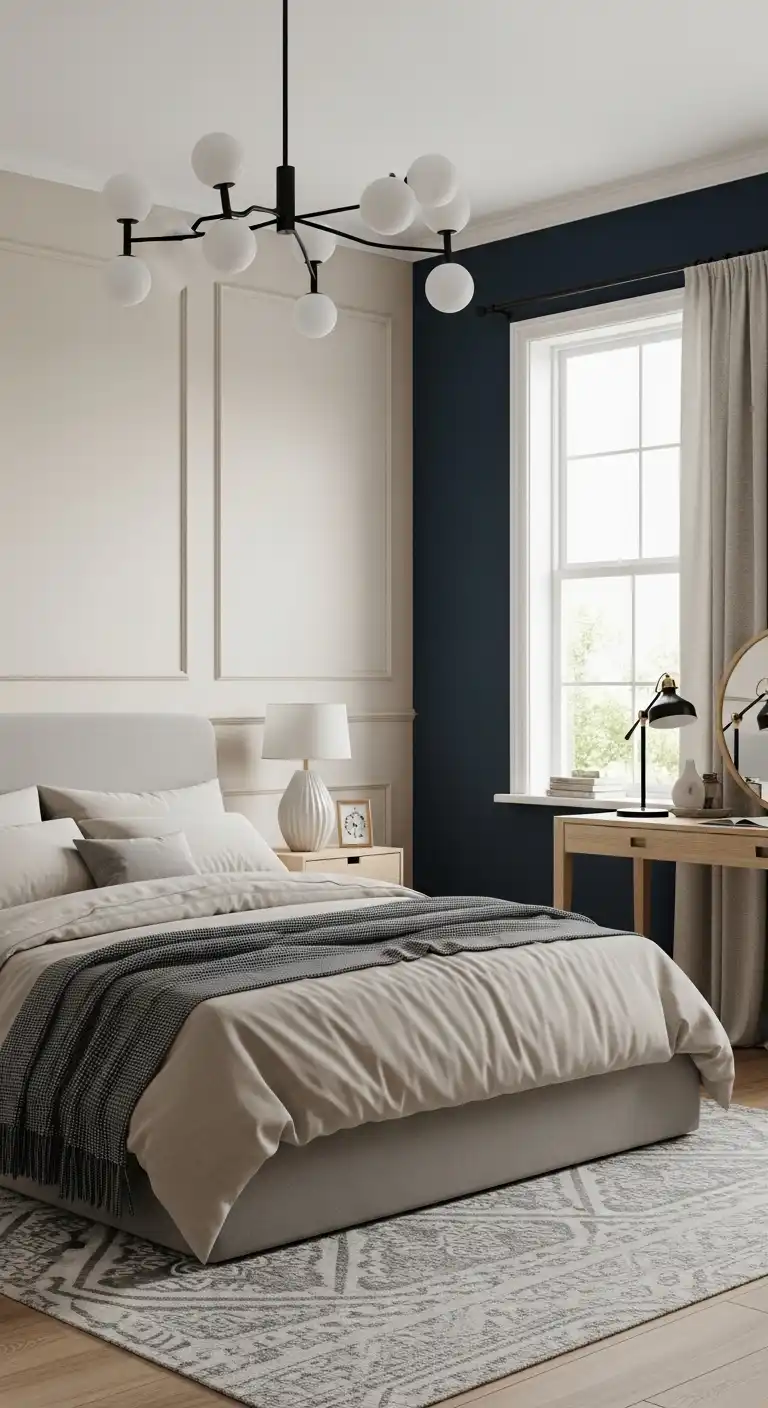
Soft and neutral colors like beige, cream, and light grey create a calm and peaceful environment. These shades are perfect if you want your bedroom to feel like a retreat from a busy day. On the other hand, darker tones like navy blue or charcoal can add depth and make the room feel cozy and sophisticated.
Cool colors such as blue and green are known for their relaxing effect. They are ideal for bedrooms because they help reduce stress and promote better sleep.
Warm tones like terracotta or soft brown can make your space feel inviting and comfortable, especially in colder environments.
Bright and bold colors, while attractive in pictures, can sometimes feel too stimulating in a bedroom. That’s why it’s usually better to use them as accents rather than the main wall color.
Start With Your Room’s Natural Light
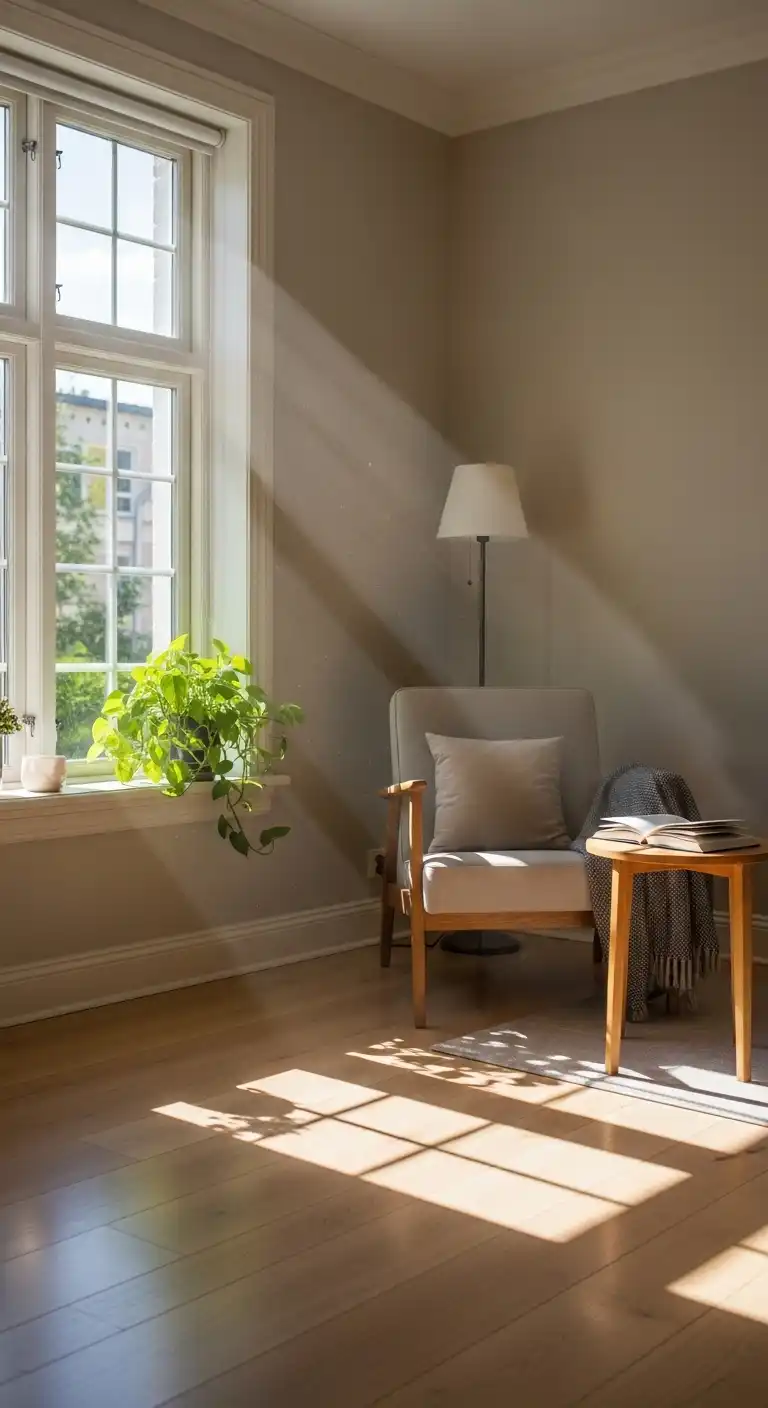
Before choosing any color, take a close look at your room’s lighting. This is one of the most important steps that people often ignore.
Natural light plays a huge role in how a color appears. A shade that looks perfect in a store or online might look completely different on your wall.
If your bedroom gets a lot of sunlight, you can experiment with cooler or darker shades because the natural light will balance them out. However, if your room has limited light, it’s better to choose lighter and warmer tones to keep the space from feeling dull or cramped.
Artificial lighting also matters. Warm lighting makes colors look softer and cozier, while cool lighting can make them appear sharper or slightly dull.
A simple but powerful tip is to always test paint samples on your wall. Observe how the color looks during the day and at night before making a final decision.
Pro Tip:
Always test a small patch of paint on your wall and observe it at different times of the day. Morning light vs evening light can completely change how a color appears.
Choose a Mood Before Choosing a Color

One of the easiest ways to simplify the process is to focus on how you want your bedroom to feel.
Instead of asking yourself which color is best, ask what kind of atmosphere you want to create.
If you want a calm and relaxing space, go for soft neutrals, light blues, or sage green. These colors create a peaceful environment that helps you unwind.
For a cozy and warm bedroom, choose shades like cream, warm taupe, or terracotta. These tones make the room feel inviting and comfortable.
If you prefer a modern and clean look, stick to white, grey, and minimal color combinations. This style feels fresh and uncluttered.
For a more luxurious feel, darker shades like navy blue, deep green, or charcoal can instantly elevate your space when paired with the right lighting and decor.
Match Colors With Your Furniture and Decor
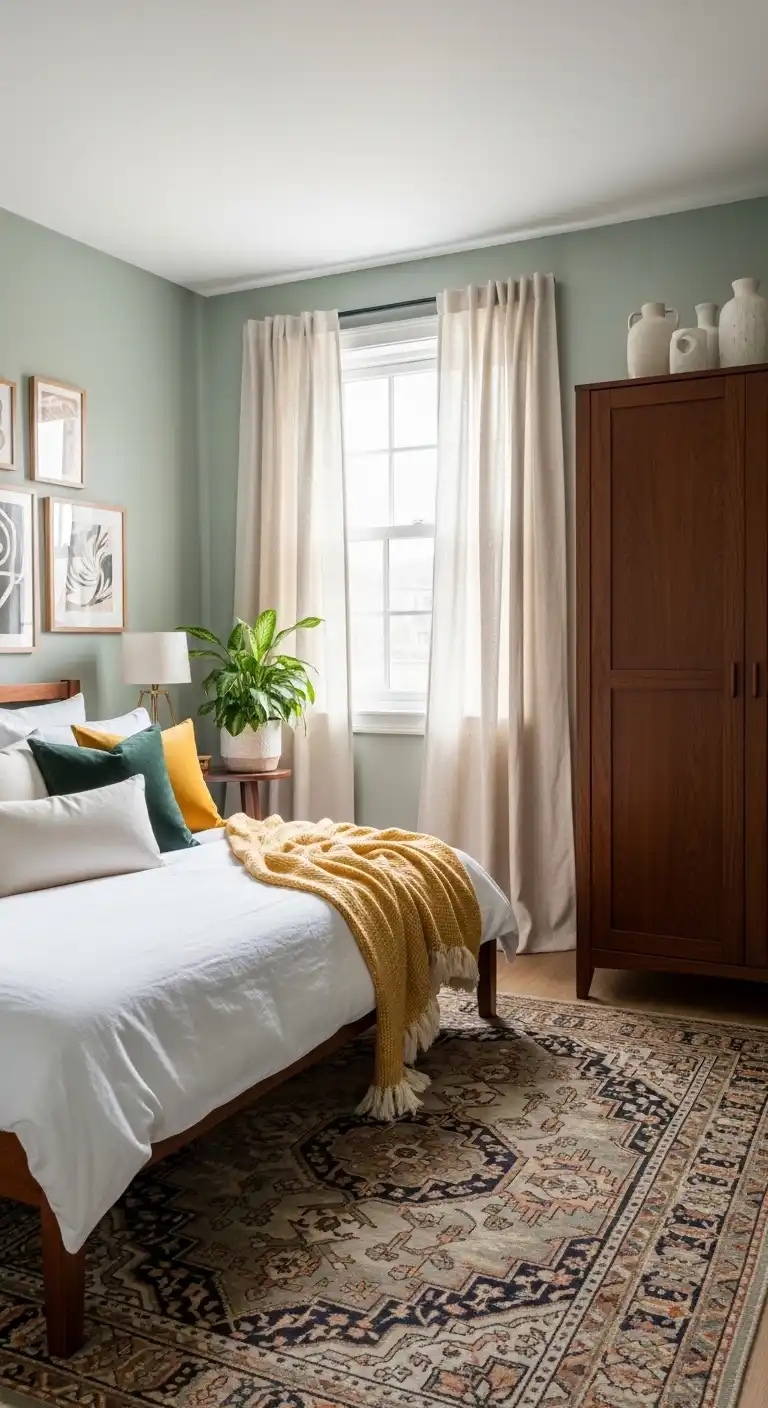
Before finalizing your wall color, consider the items you already have in your room. Your bed, wardrobe, curtains, and rug all play a role in the overall look.
If you have wooden furniture, warmer tones usually work better because they complement the natural texture. If your furniture is modern or minimal, cooler shades like grey or white can enhance that style.
It’s always easier to adjust your paint color than to replace furniture, so make sure everything works together.
Common Bedroom Color Mistakes to Avoid

Many people make simple mistakes that can affect the final result of their room.
One common mistake is copying inspiration images exactly. While they can be helpful, your room has different lighting and dimensions, so it’s important to adapt ideas rather than copy them.
Another mistake is using too many colors. This can make the space feel cluttered and unorganized. Sticking to two or three main colors usually gives the best result.
Ignoring undertones is another issue. For example, grey can have warm or cool undertones, and choosing the wrong one can clash with your furniture.
Skipping paint samples is also a big mistake. Colors almost always look different on walls compared to small swatches or digital screens.
Simple Color Combinations That Always Work
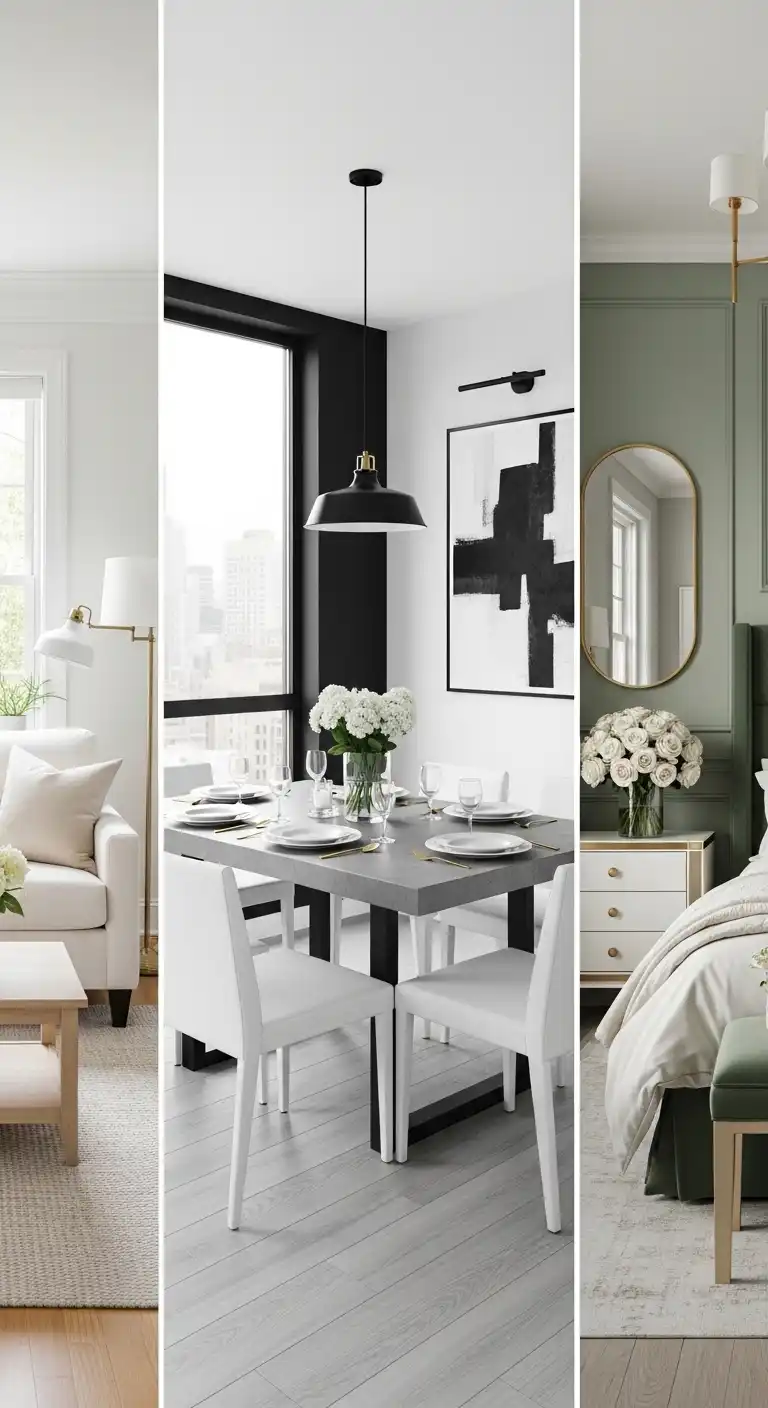
If you’re unsure where to start, there are some classic color combinations that rarely fail.
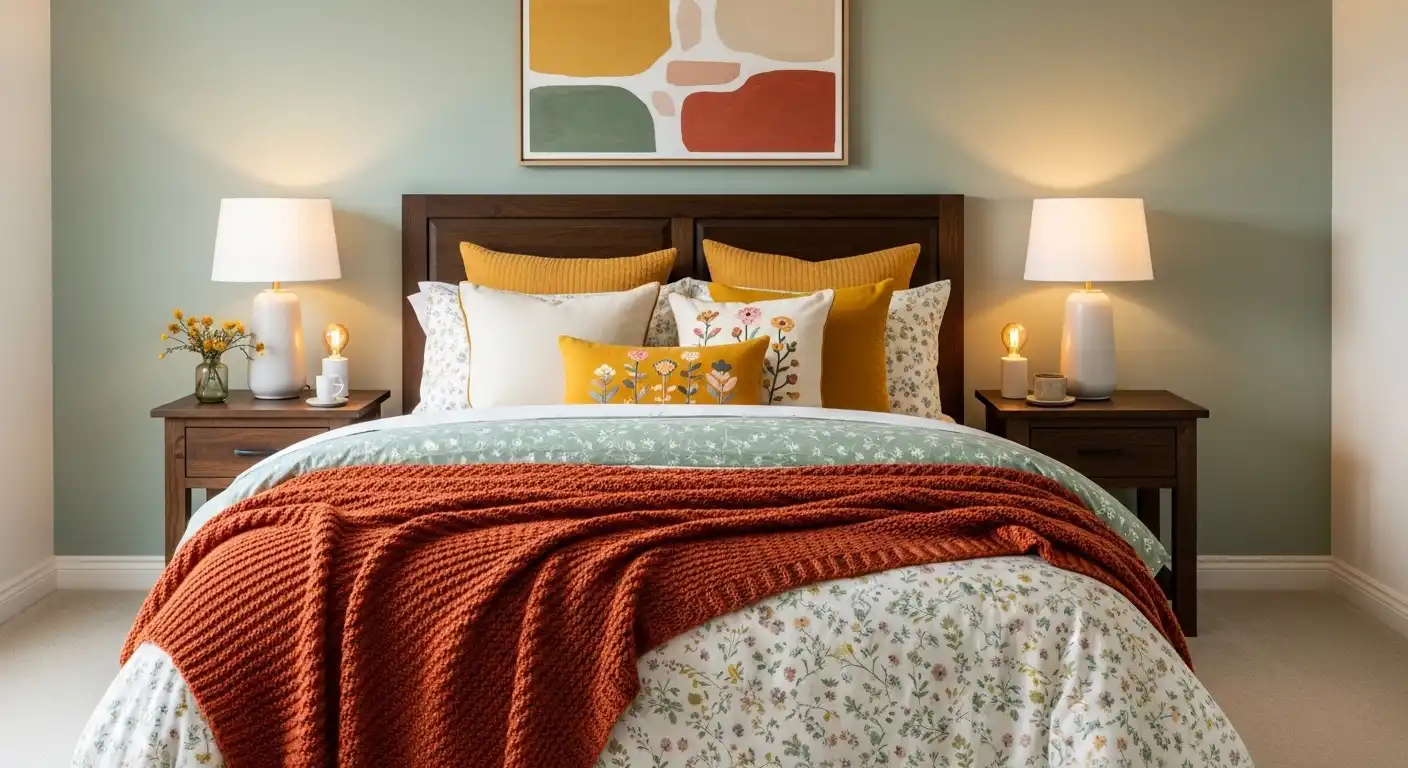
White paired with beige and natural wood creates a soft and timeless look. Grey with white and black accents gives a modern and clean feel. Sage green combined with cream and gold adds a touch of elegance and freshness.
Navy blue with white and warm lighting can create a rich and cozy atmosphere that feels both stylish and comfortable.
These combinations are popular because they are easy to work with and suit different styles.
Expert Tips to Elevate Your Bedroom Design
Once you’ve chosen your main color, a few extra details can take your bedroom to the next level.
An accent wall is a great way to add interest without overwhelming the space. The wall behind your bed is usually the best choice. A slightly darker shade or textured finish can create depth and make the room look more designed.
You can also update your room without repainting everything. Changing your bedsheets, cushions, or curtains can introduce new colors and refresh the space quickly.
Adding natural elements like plants, wooden decor, or soft fabrics can make your bedroom feel more inviting and balanced.
Lighting is another powerful tool. Soft, warm lighting creates a relaxing atmosphere, while harsh white lights can make the room feel less comfortable.
Lighting Changes Everything
Even the best color can look bad under poor lighting.
Use:
- Warm lights for cozy feel
- Soft lamps for relaxing vibe
- Avoid harsh white lights in bedrooms
Final Thoughts
Choosing the right bedroom color doesn’t have to be complicated. By focusing on your desired mood, understanding your lighting, and following simple design principles, you can create a space that feels both beautiful and functional.
Keep your color palette simple, make thoughtful chExpert Tips to Make Your Bedroom Look Amazing
FAQs
1. What is the best color for a small bedroom?
Light colors like white, beige, and soft grey make a room feel bigger and brighter.
2. Can I use dark colors in a bedroom?
Yes, but balance them with light furniture and good lighting.
3. How many colors should a bedroom have?
Ideally 2–3 colors for a clean and balanced look.