How to Create a Beautiful Rose Garden You’Ll Love
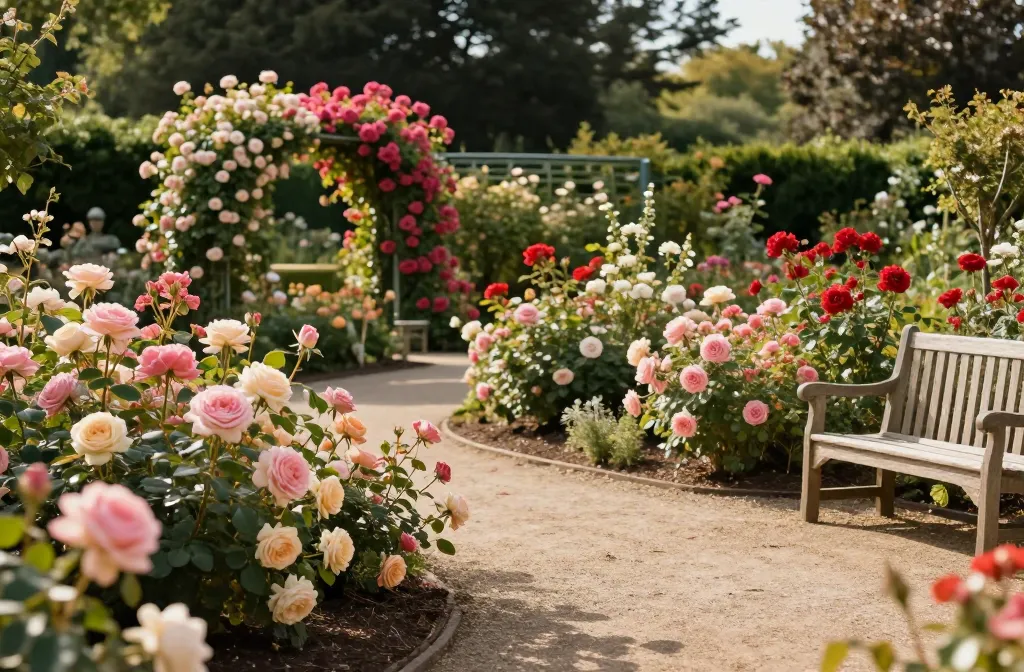
Intense fragrance, soft soil, and a sprinkle of elbow grease—that’s how you transform any patch of dirt into a rose garden worth bragging about.
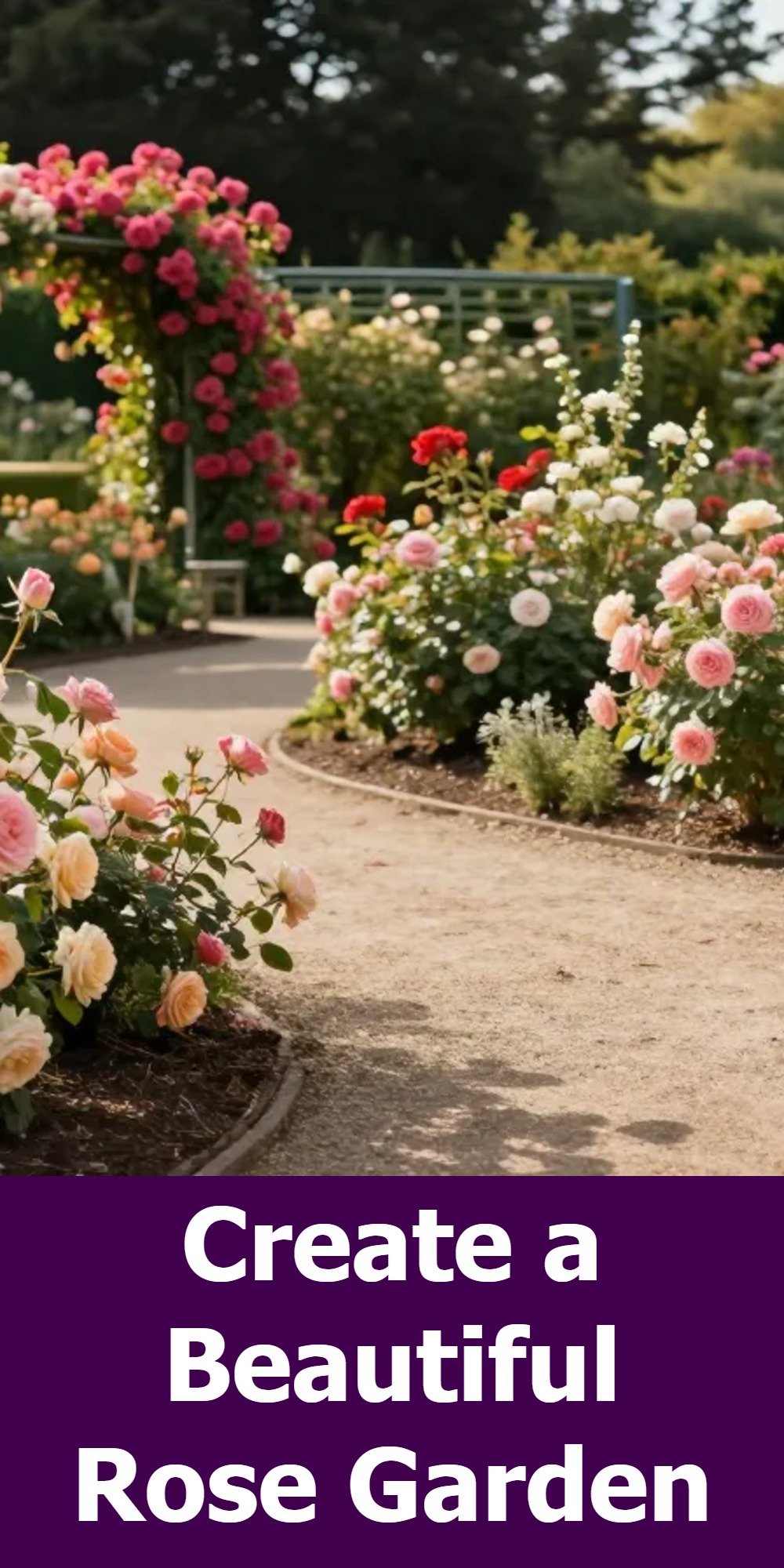
Let’s cut straight to the point: roses are gorgeous, but they’re also a little dramatic.
With the right plan, you can enjoy gorgeous blooms without turning your yard into a botanical soap opera. Ready to dive in? Let’s do this.
Designing the dream: picking the right roses and layout
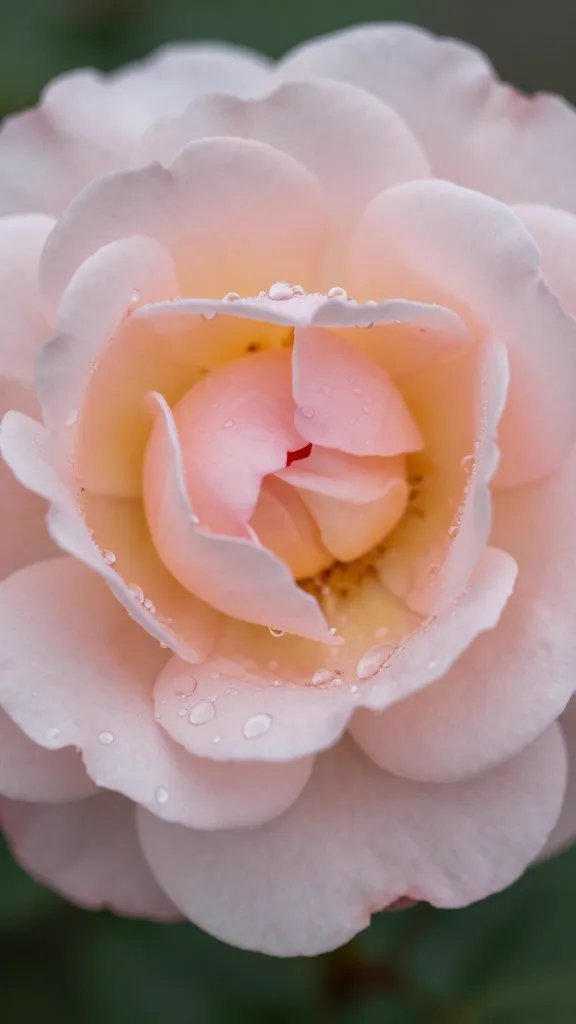
Choosing the roses is half the battle. Do you want classics like Rosa ‘New Dawn’ for a climbing backdrop or compact shrub roses that fit in a sunny corner? Think about color harmony, fragrance, and bloom time. Do you want a long, continuous display or pockets of wow flowers that peak at different weeks?
– Start with a vision: sketch out where you want color bursts, paths, and seating.
– Consider microclimates: sun lovers on the south side, shade-tolerant varieties for those dappled corners.
– Budget your space: a few showstoppers and several repeat-bloomers beat a sea of nothingness.
Subsection: what happens when you mix hybrid teas and English roses?
Hybrid teas are stunning but can be less forgiving in damp spots. English roses bring romance and a scent profile that can carry across the garden. Pair them with floribundas for color blocks and narrow the maintenance stripes you’ll actually regret later. IMO, mix things up with a couple of climbers along a trellis to soften hard edges.
Soil and feeding: the foundation for happy blooms
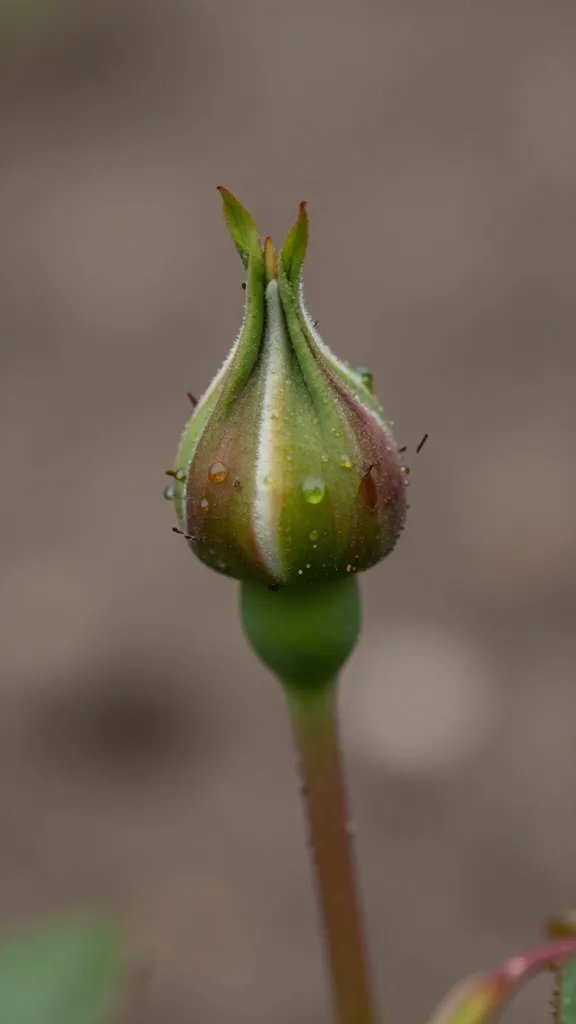
Roses are hungry, but you don’t have to feed them like a bodybuilder. You just need the right nutrients in the right amounts. The soil structure matters almost as much as the fertilizer.
– Test and glow: a simple soil test tells you pH and basic nutrients. Most roses love slightly acidic soil (pH around 6.0–6.5).
– Amend smart: amend with compost for organic matter, and a little well-rotted manure or a balanced composted mix in spring.
– Feeding cadence: start in early spring and feed again after the first flush of blooms. Stop feeding late summer to help the plant prepare for winter.
Subsection: mulch magic
Mulch keeps moisture stable, suppresses weeds, and protects roots. Use 2–3 inches of organic mulch like shredded hardwood, pine straw, or composted leaves. FYI, don’t pile mulch against stems; give them a little breathing room to prevent rot.
Planting and spacing: give each rose a little elbow room
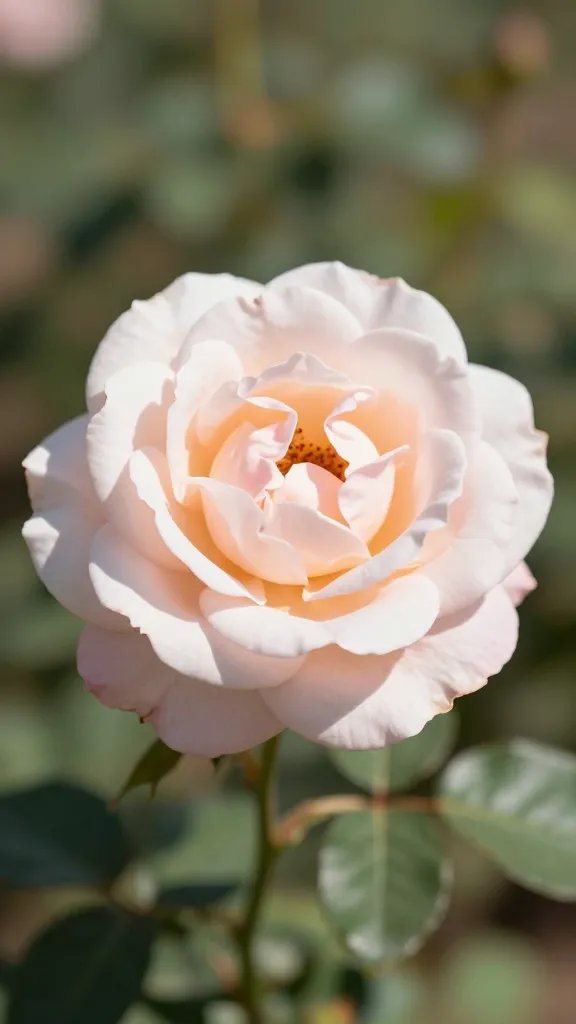
Roses look grand when they aren’t elbowing each other for sunlight. Spacing is where aesthetics meet practicality.
– Standard spacing: most roses need about 2–3 feet between plants, wider for larger varieties.
– Plant depth: plant at the same depth as in the pot, unless you’re planting a tall climber on a trellis—then you’ll bury the root ball a bit deeper at the base.
– Stakes and supports: climb varieties need sturdy support. Install ties while the plant is young so you don’t miss the chance to train it.
Subsection: companion plants that love roses
Think lavender for scent, salvia for color, or ornamental grasses for motion. Something with a different bloom time keeps the garden interesting for longer. Also, marigolds at the base can deter some pests without hurting your roses—nature’s little allies.
Watering and maintenance: a gentle routine beats a wild sprint
Roses don’t want to be soggy and they don’t want to be bone-dry. They want a measured, consistent drink and a bit of daily attention.
– Water at the base: avoid overhead watering to reduce disease risk.
– Morning routine: water in the morning so leaves dry before nightfall.
– Pest and disease watch: common issues are aphids, powdery mildew, and black spot. Catch early and treat gently with insecticidal soap or neem oil if needed.
Subsection: pruning like a pro
Pruning isn’t punishment; it’s a spring-clean for better blooms. Remove dead wood, shape your plant, and cut back to healthy buds. The timing depends on your climate, but aim for late winter to early spring in most regions. FYI, always sanitize your pruners between plants to slow the spread of disease.
Seasonal care: what to do through the year
Roses aren’t one-and-done plants. They thrive with a little seasonal love and a few strategic tweaks.
– Spring: wake-up pruning, fresh mulch, a light feeding.
– Summer: keep up with watering, remove spent blooms to encourage rebloom (deadheading).
– Fall: a final prune to shape, and a thick mulch layer to protect from freezes.
– Winter: in milder zones, roses can keep growing; otherwise, protect with burlap and avoid drastic temperature swings.
Subsection: winterizing climbers
Climbers can take a brutal winter if left unprotected.
Tie them to their trellis and lightly mulch the base. In colder zones, consider a breathable wrap and a stake against freezing winds.
Color and fragrance: making the garden sing
This is where the art meets horticulture. Think about bloom timing, scent intensity, and the mood you want to set.
– Stagger bloom times: plant a mix of early, mid, and late-season varieties to ensure color all season.
– Fragrance balance: pair strong-scented roses with lighter, complementary bloomers to avoid overpowering the air.
– Light and shadow: roses love sun, but a few hours of dappled shade can keep the foliage from scorching in hot afternoons.
Subsection: color-blocking tricks
Group roses by color families for a cohesive look. A soft pink block next to a bright white pair makes a clean, modern statement.
If you’re feeling bold, a sunset combination with oranges, pinks, and corals can be absolutely stunning.
Conclusion
wrapping it up with a bow (and a bouquet)
Building a beautiful rose garden isn’t about chasing perfection; it’s about creating a space that makes you smile every time you step outside.
Start with a plan, give your roses the soil they crave, and keep a steady rhythm of care.
The first season might look a little shy, but the next will bloom with personality, scent, and memories you’ll treasure.
FAQ
Do roses need full sun all day?
Roses perform best with at least 6 hours of direct sun daily.
More sun equals more blooms, but some varieties tolerate light shade. If your space only gets partial sun, choose varieties known for shade tolerance and balance with light pruning to keep the plant airy.
How often should I water roses?
Water deeply about 1–2 inches per week, depending on heat and wind. Water at the base to protect leaves from disease.
In hot, windy weather, you might need to water more frequently, but always let the soil dry a bit between waterings to avoid root rot.
What’s the easiest way to prevent disease?
Good air circulation, sun exposure, proper spacing, and morning watering are your best defenses.
Remove diseased leaves promptly, clean up fallen debris, and consider a light preventive spray if you spot early signs of mildew or black spot.
Should I deadhead all season or only after a bloom)?
Deadheading encourages rebloom in many varieties and keeps the plant looking tidy. Do it after the bloom cycle in the current flush to encourage new growth.
Some modern varieties rebloom with minimal deadheading, so adjust your routine based on the cultivar.
What are some low-maintenance rose options for beginners?
Look for rose varieties labeled as disease-resistant and spray-free. Shrub roses and some modern hybrid teas with good pest resistance are great starters.
Couple them with a simple mulch and a modest feeding schedule, and you’re golden.