How to Build a Home Gym That Wins Momentum
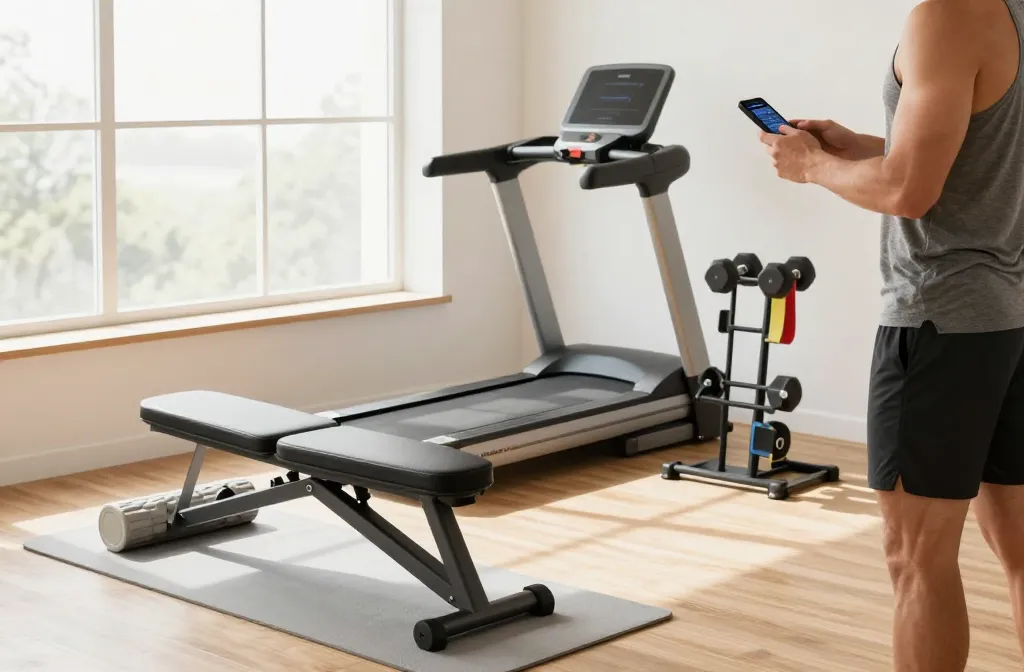
Looking to get fit without leaving your home? In this post, we’ve curated home gym ideas that fit any space, style, or budget.
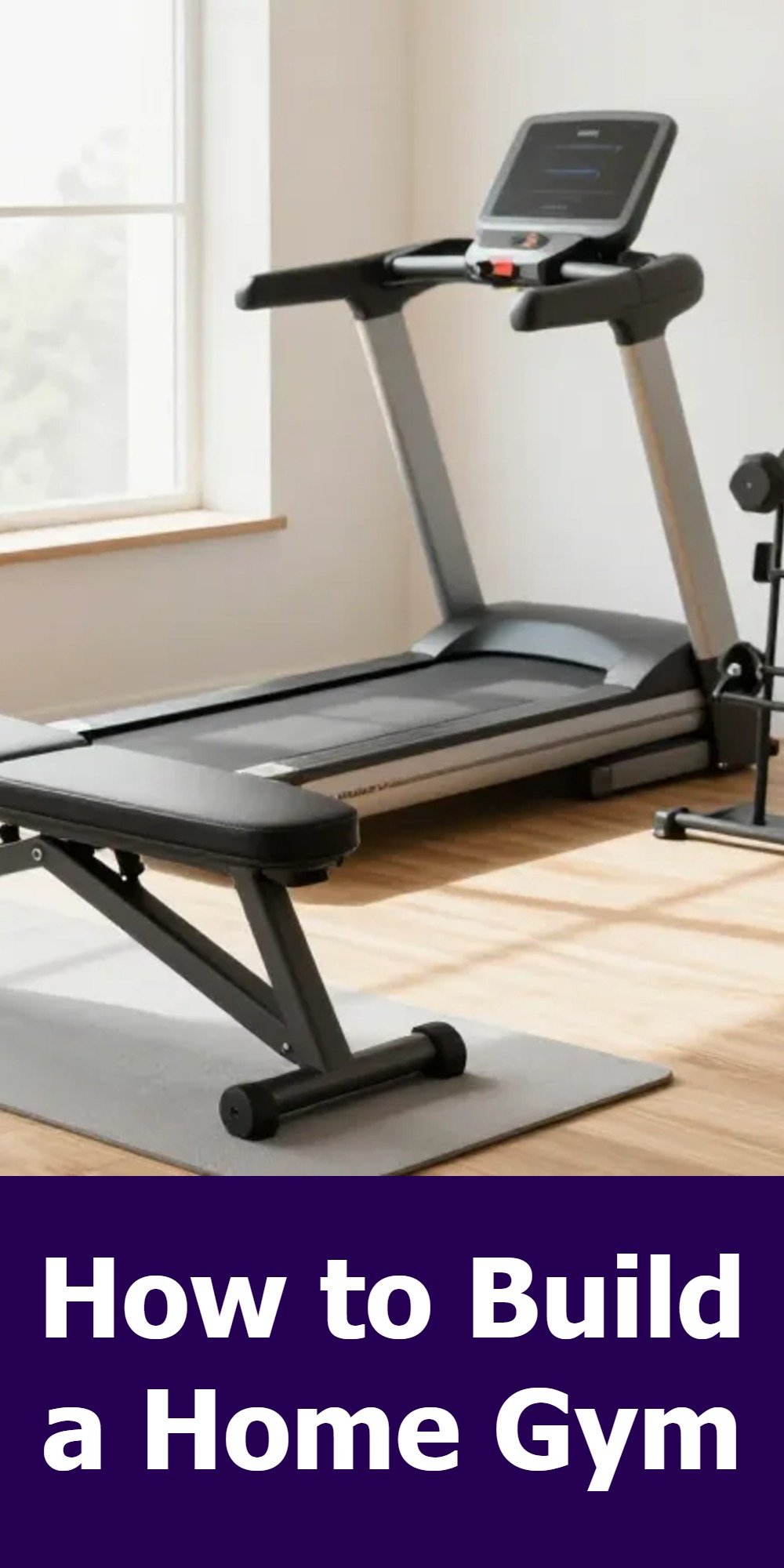
Even a small corner can become a functional workout zone with the right equipment and layout. These tips show how to make the most of your space while staying stylish.
Want to know which machines and accessories give you the biggest results? Our curated guide helps you choose wisely and save money.
If your space is too tight for a full gym, don’t worry—these compact setups can turn any room into a motivating workout area.
Ready to create your dream fitness corner? Check out these home gym ideas to get moving today!
Define your goals, then raid your space for real
What are you actually trying to achieve? Lose weight, build muscle, boost energy, or just have a equipment-free option for rain days?
Nail your goals first, because everything else flows from there.
Start with a realistic target—three to four workouts a week is better than five brilliant-but-marathon sessions that last a weekend.
– Map your time: how much can you train weekly without exhausting your schedule?
– Pick your focus: strength, cardio, mobility, or a mix? A hybrid setup often wins.
– Measure your space: ceiling height, doorways, and power outlets all matter.
- Strength-focused spaces might lean toward free weights, a bench, and a rack.
- Cardio-savvy setups prioritize treadmills, bikes, or a sturdy rower.
- Mobility and rehab areas benefit from a strong mat, foam roller, and resistance bands.
Subsection: budget-smart planning
Think in tiers: entry, mid, and pro. You don’t need to max out a credit card to get great results. The most important piece is consistency, not who has the most gear. FYI, you can often upgrade gradually as you hit milestones.
Pick a core setup that actually fits your life
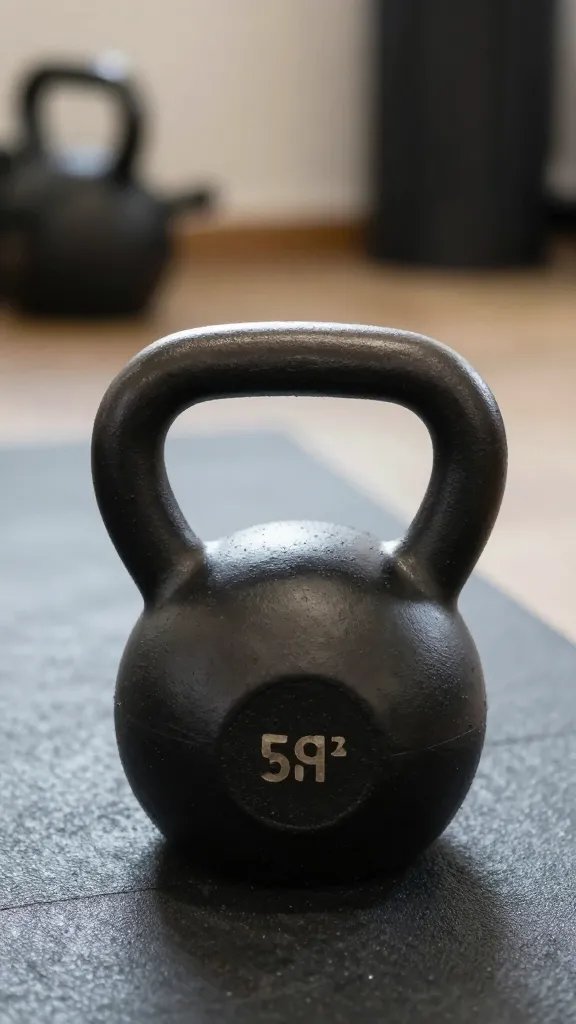
Your core setup is what you’ll actually use, not what you envy on social media. Start with versatile, space-efficient gear that covers multiple movements. Think multi-gym, adjustable bench, something to squat, something to press, and something to pull.
– Adjustable bench that folds or slides under a rack
– A barbell with a few Olympic plates, or a solid set of dumbbells
– A rack or sturdy stand for squats and presses
– A mat for floor work and mobility
- Modularity helps you grow without outgrowing the room.
- Invest in a solid flooring option to protect both you and the floor.
Subsection: evaluating equipment basics
– Dumbbells: start with a pair or two sets (light and heavy) to cover presses, rows, and halos.
– Barbells and plates: a basic 6–10 ft bar with 135–225 lbs total often works for most beginners.
– Bench: choose one with a sturdy incline/decline options.
– Rack or stand: safety matters. If you don’t have a spotter, prioritize safety jigs, clamps, and a solid rack.
Layout and safety: make space smarter, not bigger
A well-planned gym is an invitation to routine, not a hazard. Clear pathways, proper flooring, and ventilation turn workouts from “ugh” to “let’s go.”
– Mark a workout zone with a rug or mat that’s easy to clean.
– Use wall space for storage and a mirror if you can—checks form without nagging a friend.
– Ensure ventilation and climate control; sweat is not a vibe killer, but humidity is.
- Anchor your heavier items near sturdy walls or studs.
- Keep a small, accessible shelf for accessories—bands, sliders, and straps.
Subsection: safety first, always
– Check weight plates and collars regularly for cracks or dents.
– Use a spotter or a safety rack for heavy lifts if you’re going solo.
– Keep a simple injury kit nearby: ice pack, bandages, antiseptic wipes.
Programming that sticks: simple plans to start strong
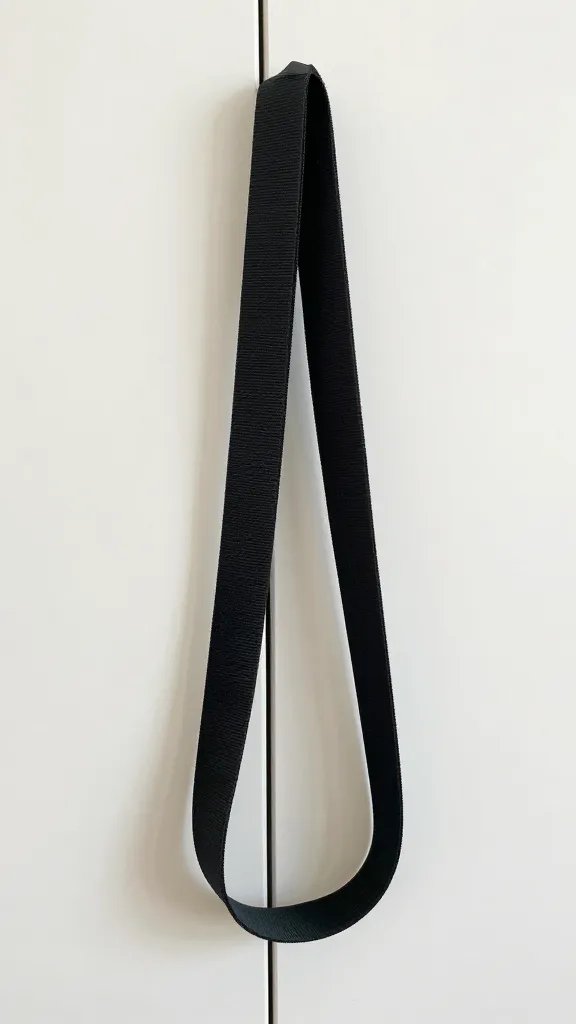
A home gym without a plan becomes a dust collector. Build a simple template you can repeat and adjust.
– 3–4 workout days per week
– 2–3 compound lifts per session (squat, hinge, push, pull)
– 1–2 accessory moves per workout
– 10–15 minutes of mobility at the end
- Progression matters: increase weight, reps, or sets gradually.
- Deload weeks aren’t weak; they’re strategic reset buttons.
Subsection: sample starter routine
– Day A: Squat, Bench Press, Barbell Row, Plank
– Day B: Deadlift, Overhead Press, Pull-Up or Lat Pulldown, Glute Bridge
– Mobility day: hips, shoulders, ankles, plus 10–15 minutes of breath work
Keep it flexible. If you hate one movement, swap it for another that hits the same muscle group.
Tech and gadgets: are they worth it?
You don’t need a smart mirror to build a smart routine, but a few gadgets can help you stay honest.
– A basic timer or app to track sets and rest
– A durable mat and storage for small bits (bands, sliders, yoga blocks)
– A scale or body tape measure for progress, not vanity metrics
- Smart features are cool, but boring numbers drive real progress more than flashy screens.
- Power outlets and space for a fan or small heater can dramatically change your session quality.
Subsection: gadgets that actually help
– Resistance bands: cheap, portable, and perfect for warm-ups or rehab work.
– A quality bench with multiple incline angles expands exercise options surprisingly fast.
– A simple rack or stand with safety arms adds confidence for heavy lifts.
Motivation, routines, and avoiding the gym-boredom trap
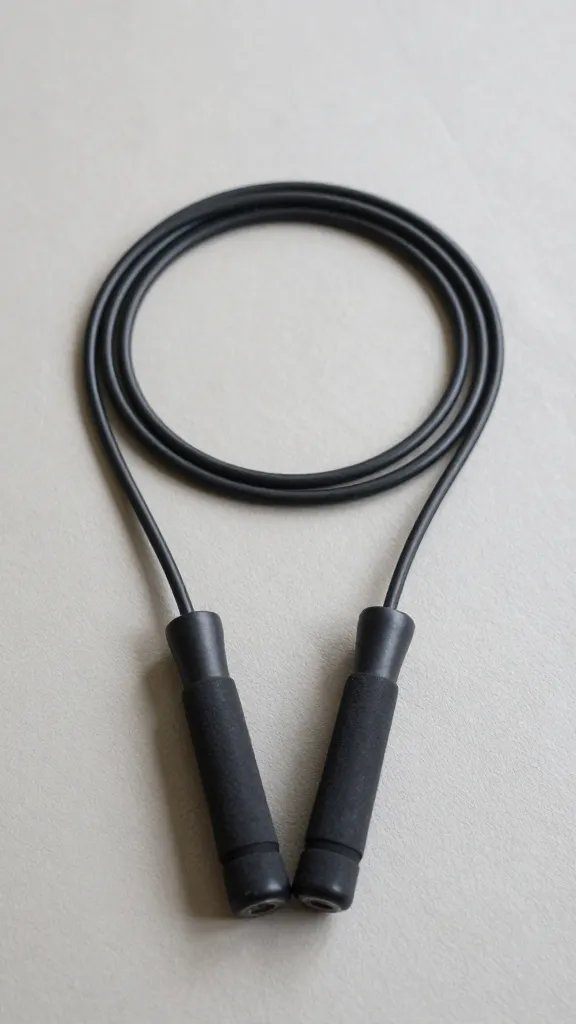
Your basement, garage, or spare room should feel like a gym, not a chore.
– Build a routine that fits your life, not the other way around.
– Keep a visible calendar for workouts and progress photos.
– Mix up workouts every few weeks to fight boredom and plateaus.
- Invite a friend to join a few sessions to boost accountability.
- Reward yourself for consistency—don’t let a missed week derail your plan.
Maintenance mode: long-term joy and results
Your home gym will evolve as you do. Do a quarterly check: assess equipment wear, space needs, and goal alignment.
– Reassess goals every 3–4 months
– Replace worn straps, bands, or mats before they fail
– Reorganize the space to reflect your changing routine
- Cleaning is not optional; it actually improves longevity.
- Think of upgrades as milestones, not impulse buys.
Conclusion
Launching a home gym is less about the perfect equipment and more about the habit you build with what you’ve got.
Start with a tight plan, a sensible setup, and a space you enjoy using.
The goal isn’t to impress anyone but to keep showing up.
You’ll thank yourself when you reach that next milestone—and your future, sock-free treadmill-walkers will thank you too.
FAQ
How much space do I really need for a home gym?
You can start with as little as 6×6 feet for a compact setup with a bench, rack, and some dumbbells.
If you’re aiming for more compound lifts with a barbell, you’ll want at least 8×10 feet, plus some clearance for safe movement and mat space.
What’s the minimum gear I should buy to get started?
A good baseline includes: an adjustable bench, a barbell with a small weight set or dumbbells, a sturdy rack or stand, and a durable mat.
Add resistance bands and a timer for mobility and programming. You can add plates and specialty gear later as you lock in your routine.
How do I stay consistent without a gym buddy?
Schedule it like a meeting, set clear micro-goals, and track progress. Use reminders, celebrate small wins, and vary workouts to keep things interesting.
If you’re really slipping, hire a virtual coach for a few sessions to reboot your plan.
Is it worth investing in pricey equipment upfront?
Not necessary. Start with versatile, durable core pieces and grow gradually. Invest more as you hit plateaus or discover you love specific lifts or modalities. FYI, quality gear pays off in safety and longevity.
How do I tailor a routine to a small space?
Choose compact, multi-use equipment and prioritize movements that travel well—pushing, pulling, hinging, squatting—without needing to roam.
Use wall space for storage, and opt for foldable benches or racks to free floor area when not in use.
If you want, tell me your space size, budget, and goals, and I’ll sketch a custom starter setup and a 4-week plan tailored to your room and vibe.