
What Size Ceiling Fan for Bedroom: Easy Pick Guide
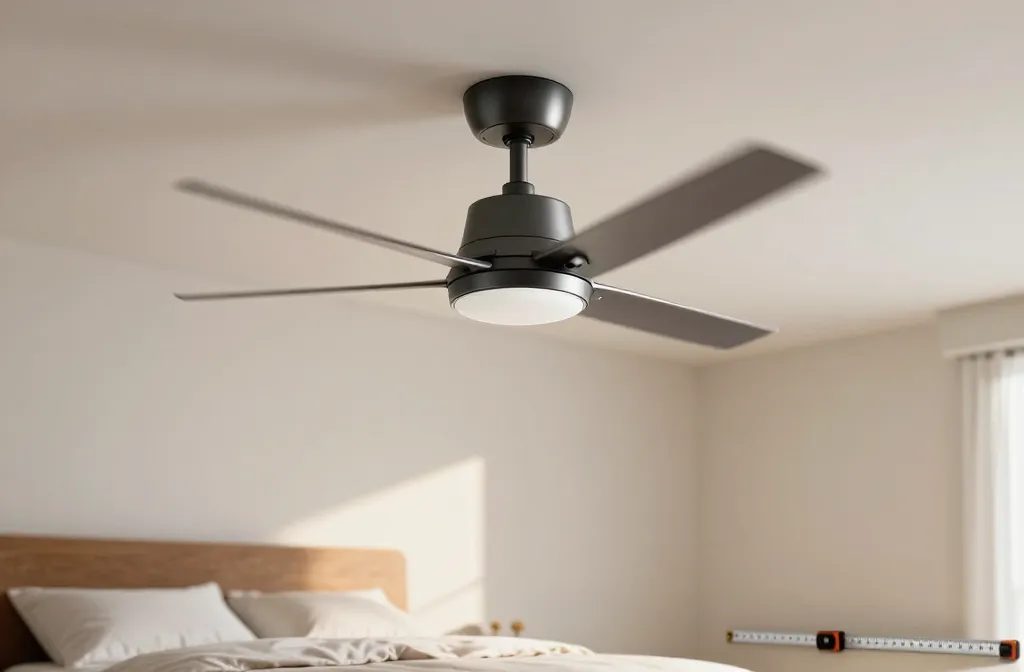
Looking for a way to keep your bedroom cool and stylish? In this post, we’ve curated ceiling fan ideas that suit every bedroom style—from modern minimalist to cozy and classic.
Never settle for boring or purely functional fans! With the right design, your ceiling fan can become a centerpiece that complements your space beautifully.
Are you struggling to find a fan that’s both quiet and powerful? These curated options make sure you get comfort without sacrificing style.
Even small bedrooms can benefit from a sleek fan that improves airflow and adds a decorative touch.
Check out these ideas and discover how a ceiling fan can elevate both comfort and style in your bedroom.
Know the basics: why size even matters
A fan’s job is to move air without turning your ceiling into a wind turbine.
If you go too small, you’ll feel a tease of breeze at best; too large, and you’ll fight with the room’s layout, or you’ll look like you mounted a helicopter blade in there.
Size determines how much air the fan moves and how evenly it circulates—crucial for comfort, especially in warm summer nights or chilly winters when you want a gentle cross-breeze.
– Bigger isn’t always better: you want the right proportion to your room.
– Air movement equals comfort: CFM (cubic feet per minute) matters, not just blade length.
– Aesthetics count: the fan should feel like it belongs, not a random propeller.
Floor plan first: measuring your space
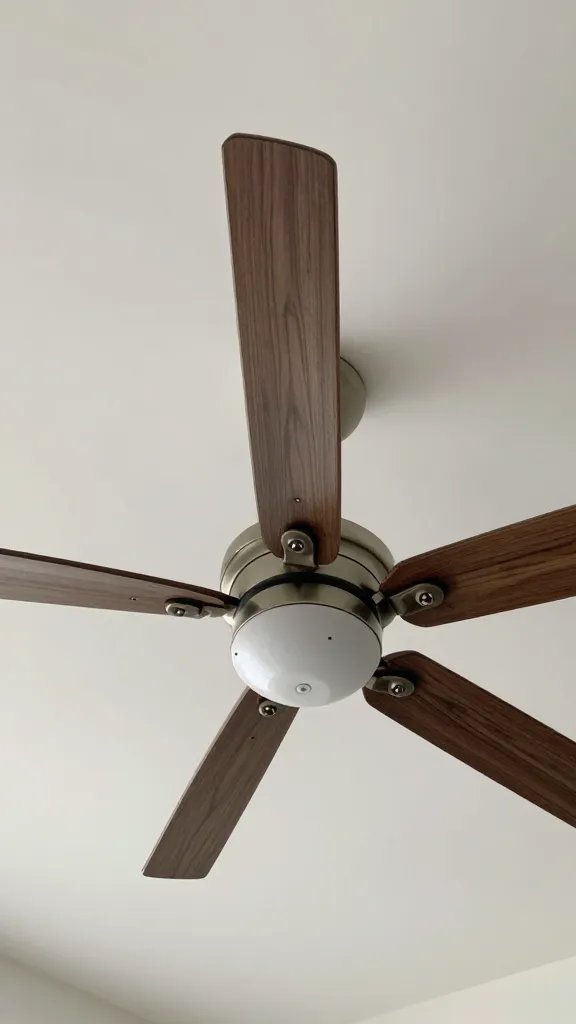
The easiest way to pick a winner is to measure the room, not the ceiling. Grab a tape measure, friend, and answer these questions:
– What’s the room’s floor area? Multiply length by width.
– How tall is the ceiling? If you’ve got standard 8-foot ceilings, your options differ from cathedrals.
– Any obstructions? Light fixtures, fans, ceiling beams, or a sloped ceiling change the game.
If you want quick rules of thumb:
– For rooms up to 80 square feet (think small bedrooms or cozy offices), a 29-inch fan usually does the trick.
– For rooms 80–144 square feet, go 36–42 inches.
– For larger spaces (144–225 square feet), 44 inches is a sweet spot.
– If you’re above 225 square feet, you’ll likely need multiple fans or a bigger, more robust solution.
Ceiling height tips: where the fan should sit
Your ceiling height changes everything beyond just diameter. You want enough clearance for comfortable movement and to avoid the “hanging too low” vibe.
– Standard ceilings (8 feet): aim for at least 7 feet of clearance from floor to blade. That means a mount that sits the motor a bit up, not down, so you don’t bump the blades with your head when you stand up from a zombie pose on the bed.
– Medium ceilings (8.5–9 feet): you’re in the sweet spot for most 36–42 inch fans. You can keep the downrod short, or none if the ceiling is already high enough.
– Sloped ceilings: you’ll want a professional or a fan with a flexible mounting kit to keep the blades level. No one wants a tilted breeze.
If you’re short on headroom but craving airflow, consider a flush-mount (hugger) design. It sits close to the ceiling and can still move air, but don’t expect dramatic drafts on hot July nights.
Blade size and pitch: what moves the air
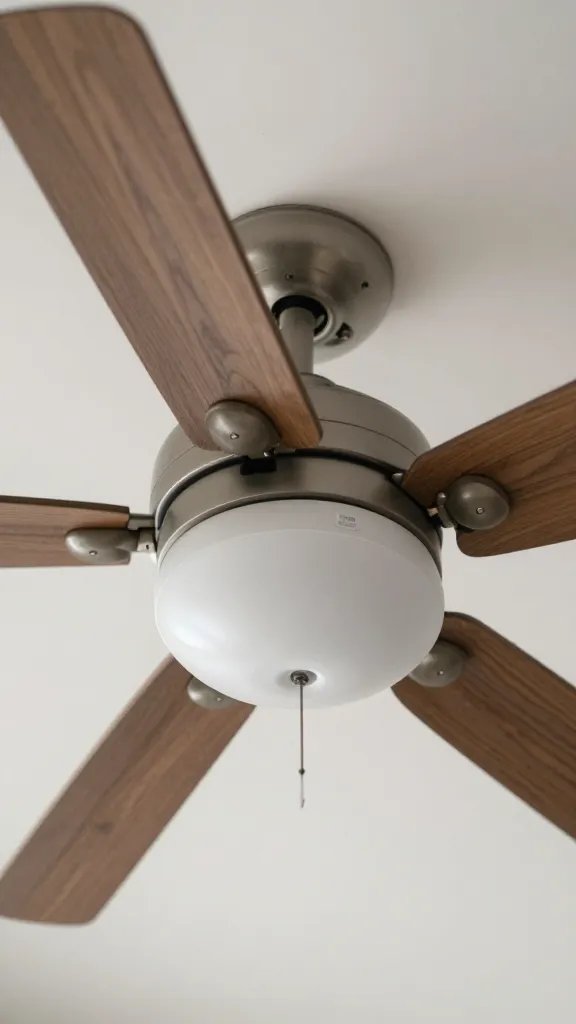
Blade diameter isn’t the only thing that matters. You’ve got blade count, blade width, and pitch (the angle of attack). These little factors combine to yield comfort without a noisy buzz.
– Blade diameter: bigger diameter = more air moved. As a rule, follow the space-based guidelines above.
– Blade pitch: steeper blades move more air per turn but require more motor power. Moderate pitches around 12–16 degrees are common for bedrooms and balance efficiency with quietness.
– Number of blades: more blades often means quieter operation, but the difference isn’t huge. Three or four blades are typical; five is stylish but not always necessary.
Pro tip: for bedrooms, prioritize quiet operation. Look for “DC motor” options or whisper-quiet ratings. FYI, durability matters more than the color of the blade.
Motor, airflow, and energy use: what you actually feel
You don’t just want a pretty rotor; you want an efficient breeze with minimal energy guilt. Here are the essentials to check:
– CFM range: light bedrooms usually feel comfortable with 4000–6000 CFM total for the room size. Bigger rooms push toward 6000–9000 CFM. Don’t obsess—target the right mix with your size.
– RPM (speed): you’ll notice the feel more than the number. For bedrooms, mid-range speeds are usually enough. You’ll crank up on hot nights, but you’ll still want quiet performance.
– Energy use: DC motors are more efficient and usually quieter than traditional AC motors. If you’re upgrading, a DC fan is worth the extra bucks for the long-term savings and better control.
Pro move: look for a fan with a reversible motor for seasonal airflow. In summer, push air down; in winter, pull it up to recirculate warm air near the ceiling. Yes, you’ll actually use that feature.
Style, lighting, and smart compatibility
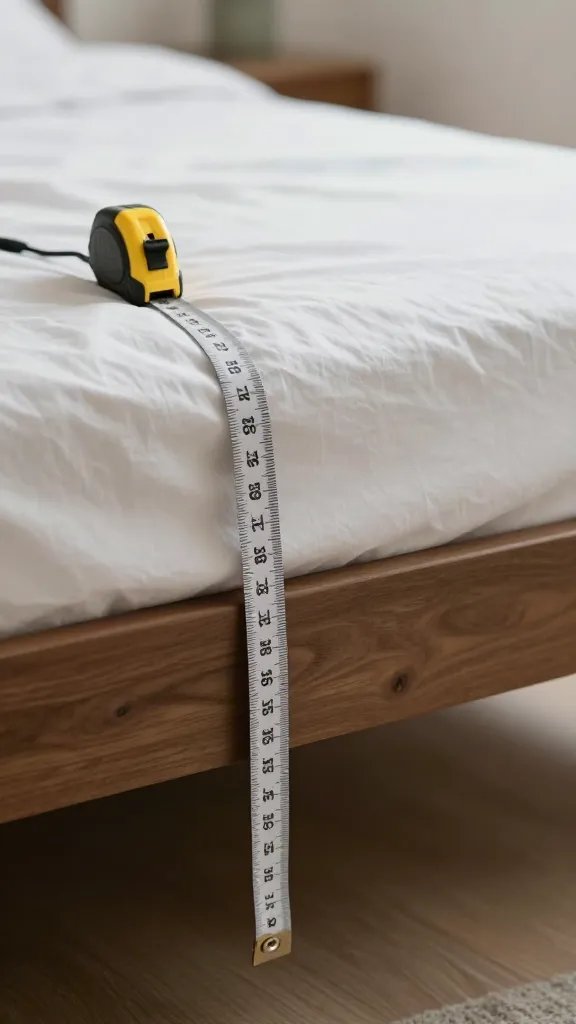
Okay, function matters, but form helps you keep your vibe intact. Choose a fan that fits your bedroom’s style and lighting needs.
– Finish and style: brushed nickel, matte black, antique brass—pick something that matches your décor. The blades should feel like they belong, not an afterthought.
– Integrated lighting: if you want a light, check lumens, color temperature, and dimming options. Many fans pair well with standard bulbs, but LED modules inside fans are common and energy-efficient.
– Smart features: remote control is convenient, but smart compatibility can be a game-changer. Look for compatibility with Google Home, Alexa, or a dedicated app if you love automation.
FYI, a smart fan is not necessarily louder or slower. Many modern fans are quiet and responsive, so you can say “turn on” and actually hear something other than the hum.
Installation quirks: DIY or hire a pro?
We’ve all seen those DIY head-scratch moments where the ceiling is hiding a surprise.
– Simple install: if you’re comfortable with a basic electrical box, a standard mount, and a basic downrod, you can handle a lot of these. Just shut off power, read the manual, and follow safety basics.
– Sloped ceilings or heavy fixtures: consider a professional install. You’ll avoid misaligned blades, wobble, or ceiling box issues.
– Weight considerations: some ceiling boxes are not rated for heavy fans. If you’re upgrading, you might need to reinforce the box or install a brace.
If you want to sanity-check, measure the ceiling box and confirm it’s rated to handle the fan’s weight. It’s not as dramatic as it sounds, but it saves you from a dramatic crash in the middle of the night.
Maintenance matters: keeping it breezy and quiet
A fan that looks good but sounds like a helicopter is not doing you any favors.
– Dust routine: wipe blades and housing monthly or so. Dust can affect balance and efficiency.
– Balance checks: if you hear wobble, you can usually fix it with small balancing kits included with the fan. Don’t ignore it—imbalance can wear bearings fast.
– Lubrication: some older models require lubrication; most modern ones are maintenance-free. Check your model’s guidelines.
Subsection: common issues and quick fixes
– Wobble at high speeds? Rebalance and check mounting.
– Noisy operation? Tighten screws, check blade alignment, and ensure the downrod is settled properly.
– Lights flickering? Make sure the bulbs are seated and compatible with the dimmer or switch.
Conclusion
Choosing the right ceiling fan size for a bedroom isn’t about following some rigid template.
It’s about pairing your room’s dimensions with practical airflow and a vibe you love.
Measure your space, pick the diameter that fits, consider ceiling height, and balance motor efficiency with quiet operation.
When you nail these, you’ll actually enjoy sleeping with a breeze rather than fighting a draft.
Frequently asked questions
What’s the best ceiling fan size for a 12×12 bedroom?
In a 12×12 room, a 29–36 inch fan is usually perfect. It moves air without overpowering the space, keeps sightlines clean, and won’t feel like you installed a propeller above the bed.
How high should a ceiling fan be installed in a standard room?
Aim for at least 7 feet of clearance from the floor to the bottom of the blades. If your ceiling is higher, you can use a short downrod to position the blades around 8–9 inches below the ceiling, or longer if needed for balance and headroom.
Are DC motors worth it for a bedroom fan?
Yes, they’re generally quieter and more energy-efficient. If you’re upgrading or buying new, a DC motor fan is a smart long-term choice, especially for a space you want to feel calm and comfortable in.
Can I install a ceiling fan with a light kit in a small room?
Absolutely. Just ensure the light’s brightness and color temperature suit the room’s mood. If the light feels too harsh, consider softer LED bulbs or a dimmer if your fan supports it.
What should I look for if I want a quiet bedroom fan?
Prioritize:
– DC motor or whisper-quiet labeling
– Balanced blades with a smooth mounting
– Fewer blade spins per minute for the same airflow (often means quieter)
– A solid downrod and secure mounting to minimize wobble
If you need a quick pick, go for a 36–42 inch DC motor fan with a neutral finish and a dimmable LED light.
It’s a solid combo for most standard bedrooms and won’t turn your room into a wind tunnel.
If you want, tell me your room’s approximate square footage, ceiling height, and style vibe, and I’ll sketch three concrete fan-size recommendations you can take shopping.