How to Design a Container Garden for Flowers That Pops
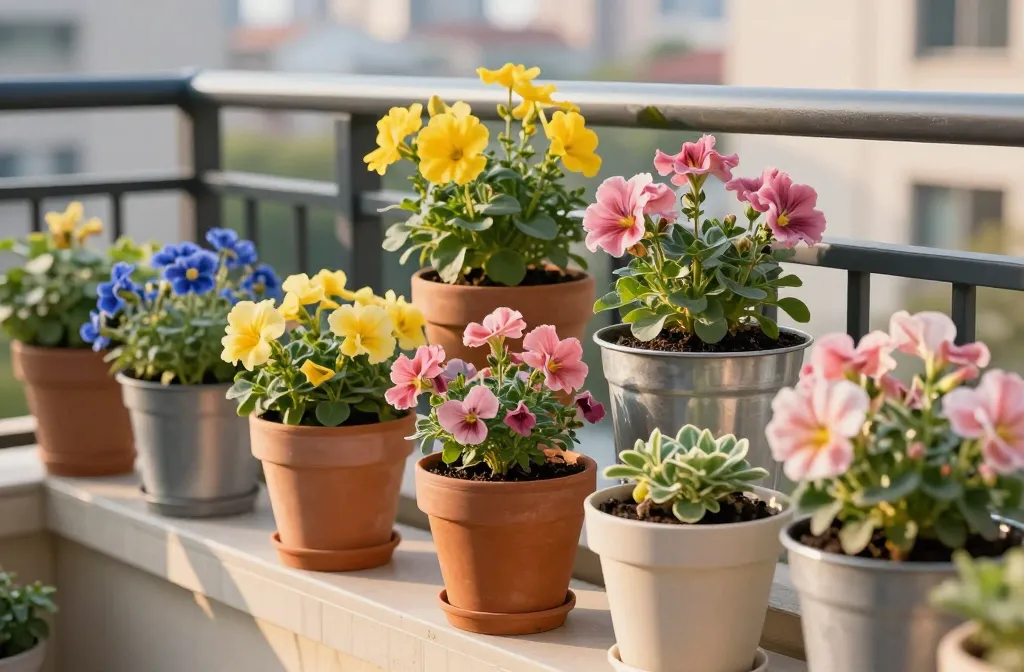
Looking for a simple way to add color and charm to your home? A container garden for flowers might be exactly what you need.
These creative ideas will help you grow beautiful blooms in pots, planters, and small spaces with ease.
When I first moved into my apartment, I missed having a garden more than I expected.
I grew up surrounded by flowers, colorful pots on the porch, and fresh blooms near every window.
Suddenly, I was staring at a tiny balcony with plain concrete and no greenery in sight.
At first, I thought gardening was impossible without a yard.
But then I discovered the beauty of creating a container garden for flowers. It felt like unlocking a secret.
I didn’t need soil beds or a large space. All I needed were a few pots, good sunlight, and the right flowers.
I started small, just three containers with bright petunias and soft lavender.
Within weeks, that dull balcony transformed into my favorite corner of the home.
Every morning, stepping outside felt peaceful and refreshing.
That is when I realized something important: you don’t need a big garden to grow beautiful flowers.
You just need creativity and the right container garden ideas to make your space bloom.
1) Pick the right containers and place them wisely
Choosing the right homes for your flowers matters more than you might think.
The wrong pot can sour your entire season before you even get to enjoy a single blossom.
– Material matters: Terra cotta looks classic, but it drys out fast. Plastic pots hold moisture longer, while metal can get too hot or too cold. Choose what fits your climate and watering habits.
– Drainage is non-negotiable: Holes in the bottom, a saucer underneath, and a plan to catch excess moisture. Roots hate sitting in water.
– Size matters: Start with pots that give roots room to stretch. A too-small pot stunts growth and leads to constant watering drama.
– Placement: Place pots where they’ll get the right light. Full sun flowers crave 6+ hours; partial sun = a few hours. If your balcony faces north, you’ll need shade-tolerant varieties or a rare sunbeam miracle.
- Pros and cons of popular pot materials
- How to measure for root space
- Tips for stacking or tiered setups
2) Choose flowers that thrive together (in pots, not in life-or-death competition)
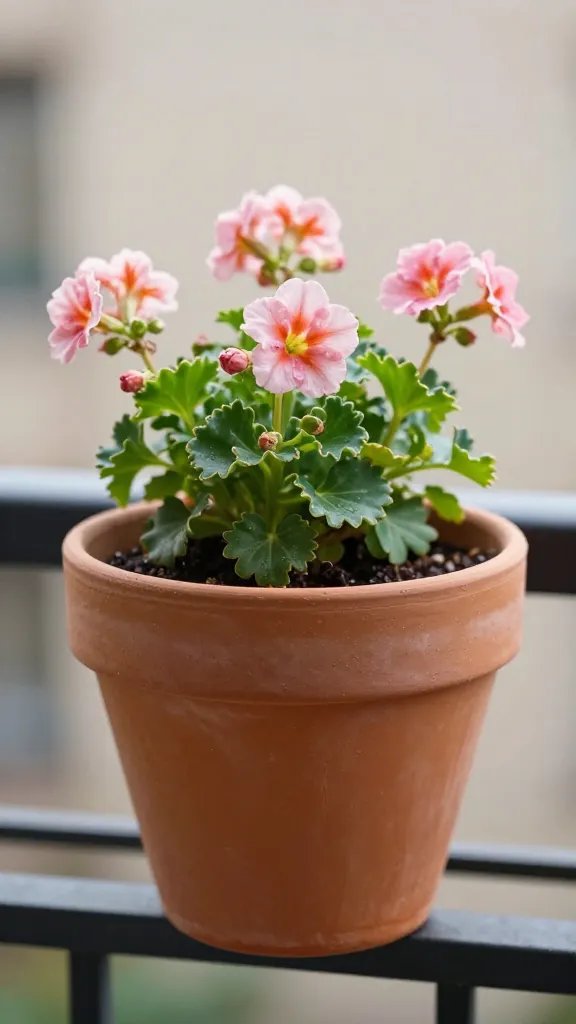
Container gardens aren’t just a jumble of pretty petals; they’re mini-ecosystems.
Pick companions that drink similar amounts of water and love the same light.
– Sun lovers group: Marigolds, petunias, zinnias, and calibrachoa all bask in bright light.
– Shade lovers crew: Impatiens, fuchsias, and begonias do well where light is scarce.
– Watering buddies: Group plants with similar thirst so you’re not chasing drought or soggy roots daily.
3 quick pairing tips
– Match water needs within each pot. No one likes a parched hydrangea next to a soggy verbena.
– Use a layered approach: tall back, mid-height, and creeping groundcovers to avoid competition for light.
– Consider color stories and bloom times so you always have something to look forward to.
3) Soil, feeding, and the watering routine that won’t derail your week
Soil is your secret weapon. It’s basically the foundation of a thriving container garden.
– Soil mix basics: Use a high-quality potting mix with perlite or vermiculite for drainage. Avoid garden soil; it compactes in pots and meh-dams roots.
– Nutrition plan: Start with a balanced slow-release fertilizer at planting. Supplemental feeding every 2–4 weeks during peak blooming keeps colors popping.
– Watering cadence: Pot size, plant type, and weather dictate your rhythm. A simple rule: check the top inch of soil. If it’s dry, water. If it’s still moist, wait.
3 quick troubleshooting steps
– Leaves wilting midday? It might be heat stress or underwatering. Give it a drink and monitor.
– Pale growth with little bloom? It might need more light or a nutrient boost.
– White crust on soil? That’s salt buildup. Flush with a gentle soak and repot if needed.
4) Layout ideas that look intentional (even if you’re not a feng shui master)
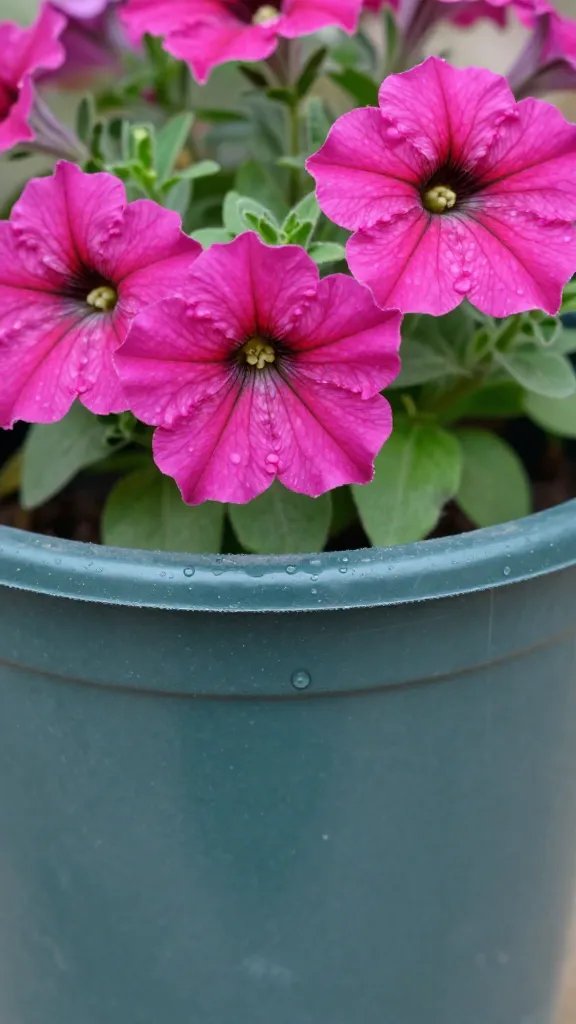
The way you arrange pots can elevate your space from nice to wow. Think of it as jewelry for your outdoor area.
– Color blocking: Group pots by color family to create a cohesive statement. Plan a bloom progression so you have continuous color.
– Texture mix: Pair velvety begonias with bright petunias and trailing ivy for depth.
– Height choreography: Place tall plants at the back or on stands, medium in the middle, spillers at the front. Your eye travels naturally.
– Function-first layouts: Keep a handy trio of pots near seating so you can enjoy fresh cut flowers or a quick bouquet.
5) Maintenance that doesn’t suck the life out of you
If upkeep feels overwhelming, you’ll dread your garden instead of declaring it “my happy place.” Let’s keep it breezy.
– Deadheading and pruning: Remove spent blooms to encourage more flowers and keep things tidy.
– Seasonal refresh: Swap out annuals as seasons shift, or refresh with bulbs that come back in spring for a surprise bloom party.
– Pests—keep it friendly: A quick rinse with water can dislodge pests, and a light soap spray works for sticky situations. If you’re dealing with a major issue, consider organic options before reaching for harsh chemicals.
– Smart watering: Consider self-watering planters or a simple drip system if you travel often. FYI, it saves you from turning into a plant-harsh drill sergeant.
6 quick tools that help you stay sane
– Drought meter or moisture probe for quick checks
– A lightweight watering can or hose with a gentle spray nozzle
– Plant labels to avoid pot roulette
– A small fan to prevent fungal issues on hot days
6) Seasonal shifts: what to plant when
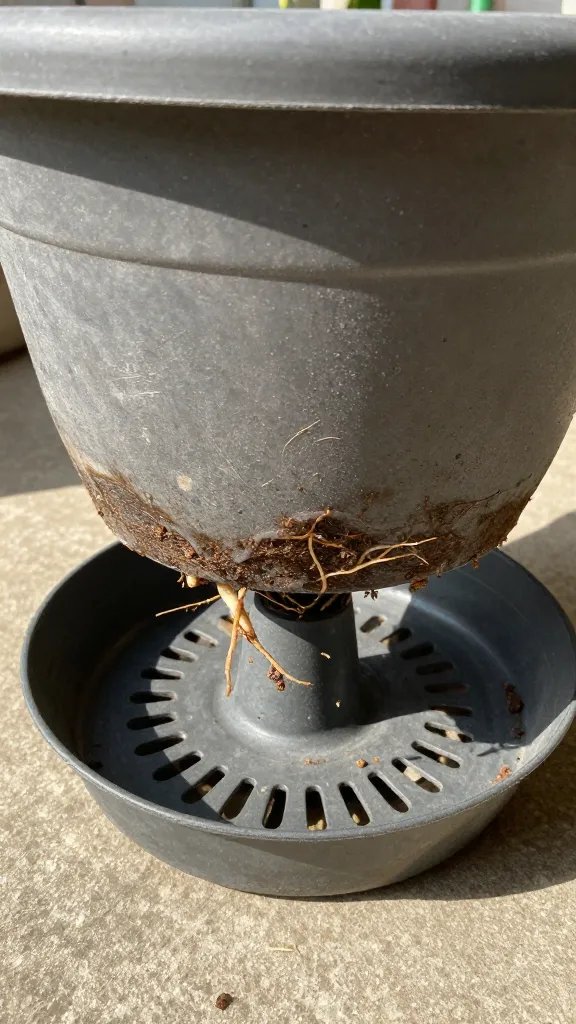
Flowers aren’t static; they have clockwork. Align your plant choices with your local climate and the seasons.
– Spring splash: Pansies, petunias, calibrachoa, and snapdragons for early color.
– Summer heat: Zinnias, marigolds, salvias, and daisies thrive with sun and patience.
– Autumn accents: Asters, chrysanthemums, and ornamental sweet potatoes offer color when the days cool down.
– Winter whisper: If you’re in a milder zone, pansies and some varietal violas can carry you through.
Conclusion
A well-designed container garden for flowers is less about chasing perfection and more about creating a small, joyful oasis you can manage with a quick glance and a smile. You set the mood with light, you tune the soil to fit, and you curate a little color story that blooms on your schedule. IMO, the payoff is a living bouquet that’s easy to care for and incredibly satisfying.
FAQ
What’s the easiest combination for beginners?
Start with two to three pots featuring a tall companion (like a dahlia or salvia), a mid-height filler (petunia or verbena), and a trailing spiller (sweet potato vine or ivy).
Use a uniform color palette to keep things cohesive, and water from the bottom every couple of days to build a routine you can stick with.
How often should I water container flowers?
That depends on pot size, plant type, and weather. A good default is to check the top inch of soil daily. If it’s dry, water until you see a bit of runoff. I
n hot, windy weather, you may water twice daily; in cool, humid days, every couple of days might be enough. FYI, don’t let pots sit in a waterlogged tray—roots hate that.
Can I mix annuals and perennials in the same pot?
Yes, you can, as long as their light and water needs align. Annuals give you season-long color, while perennials offer structure. Just plan for a rotation so you’re not chasing a dead bloom every week.
What’s the best soil mix for containers?
Use a high-quality potting mix designed for container growth. Add perlite or pumice for drainage and a touch of compost for nutrients.
Avoid garden soil, which can compact and suffocate roots in pots.
How can I protect containers in winter?
Drain them well, move them to a sheltered spot if possible, and consider wrapping them or using insulating material for particularly cold nights.
If you have tropicals or tender perennials, you may want to bring them indoors or into a garage during frost risk.