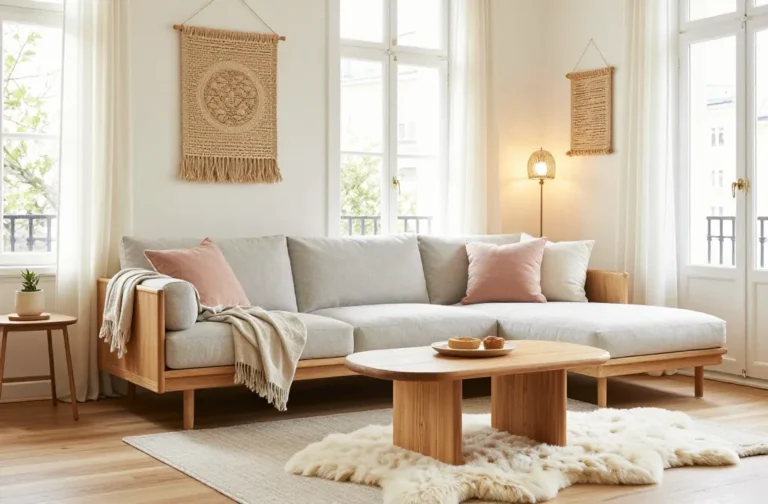
How to Choose Curtains for Living Room That Elevate Your Space
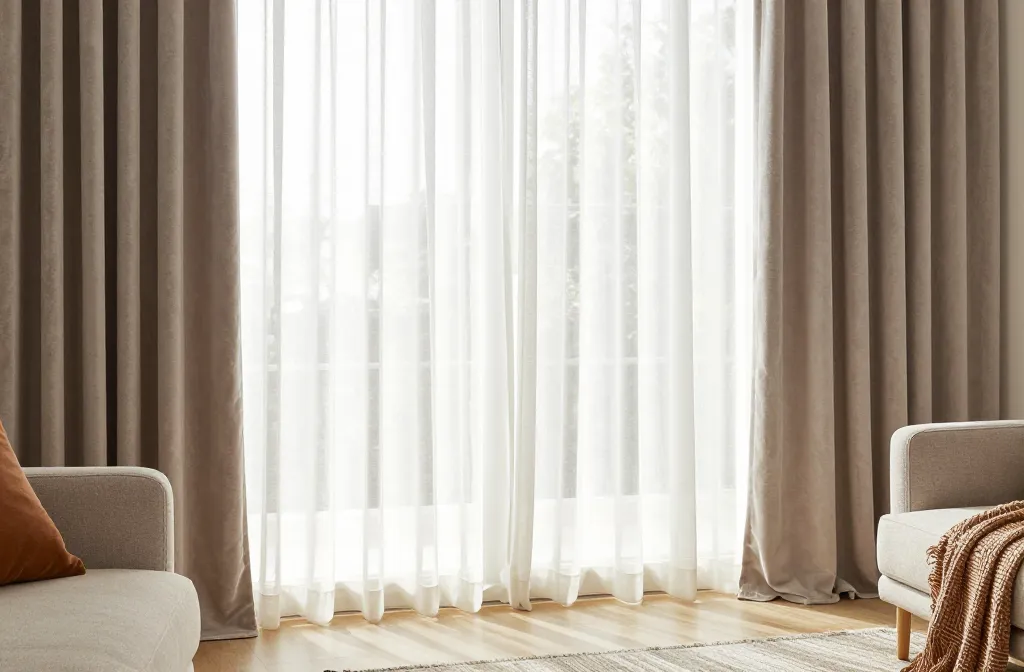
Looking for ways to instantly upgrade your living room? In this post, we’ve curated living room curtain ideas that suit every style, from modern minimalist to cozy cottage vibes.
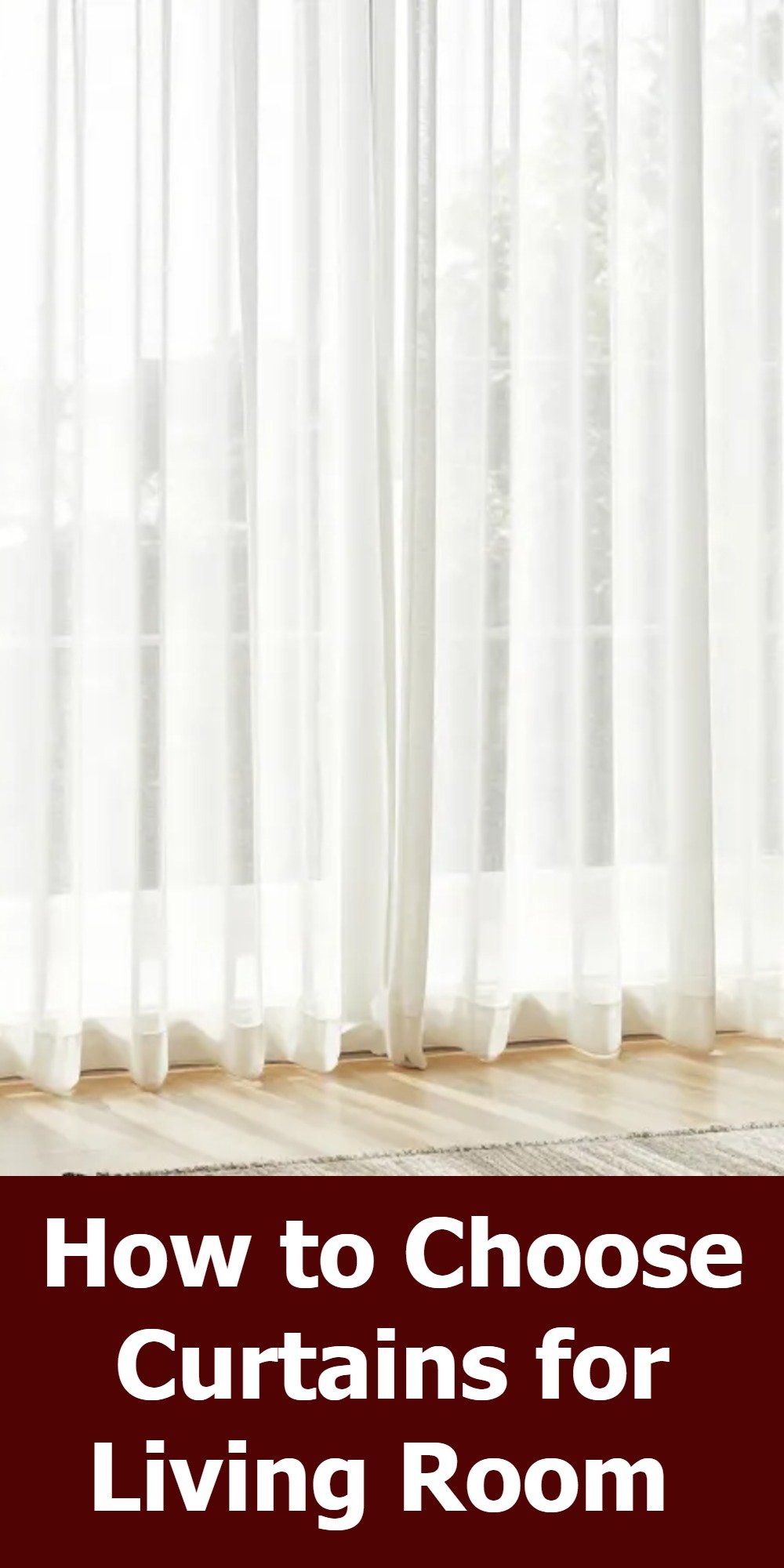
Want to make your windows the star of the room? These tips show how the right curtains can add color, texture, and warmth to any space.
Struggling with natural light or privacy? These curtain ideas will help you balance function and style effortlessly.
Even small tweaks like hanging rods higher or layering fabrics can completely transform your living room.
Check out these living room curtain ideas and give your space a fresh, inviting, and stylish look today!
Know Your Space: Starting with the Room, Window, and Light
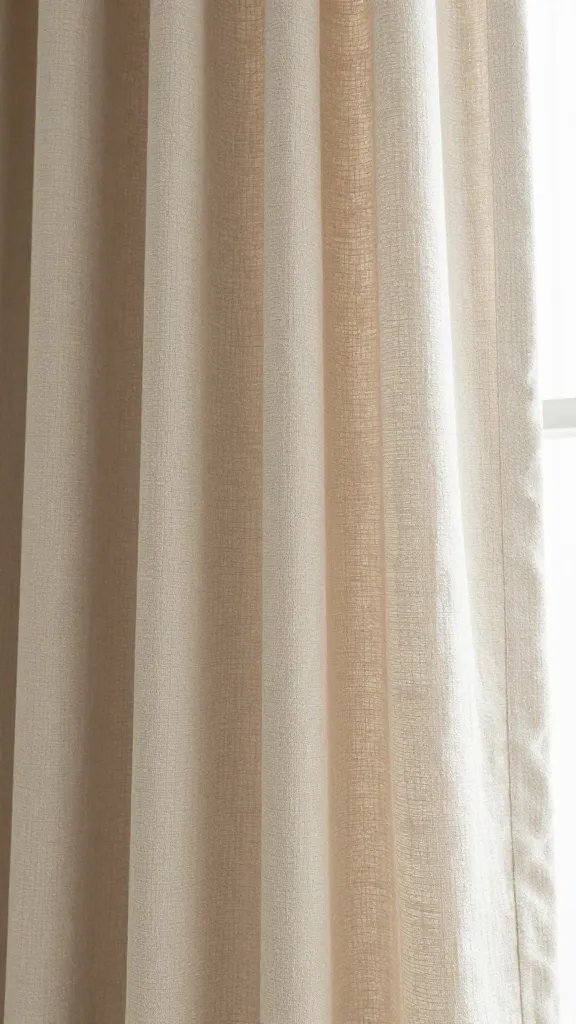
First things first, assess the room. What story are you trying to tell: cozy, modern, boho, or glam? Your curtains should reinforce that vibe, not fight it. Ask yourself: how much natural light do I get, and what mood do I want when the sun goes down?
– If your living room floods with light, you might want a softer, more forgiving fabric to prevent glare.
– If the room feels small, go for lighter colors and longer drapes to create an illusion of height.
– If you crave privacy, you’ll lean toward thicker materials or lined curtains.
FYI: The light in your space totally dictates fabric choice and color saturation. Light, texture, and color all play tag-team with your furniture.
Fabric Matters: What Does Your Material Do for You?
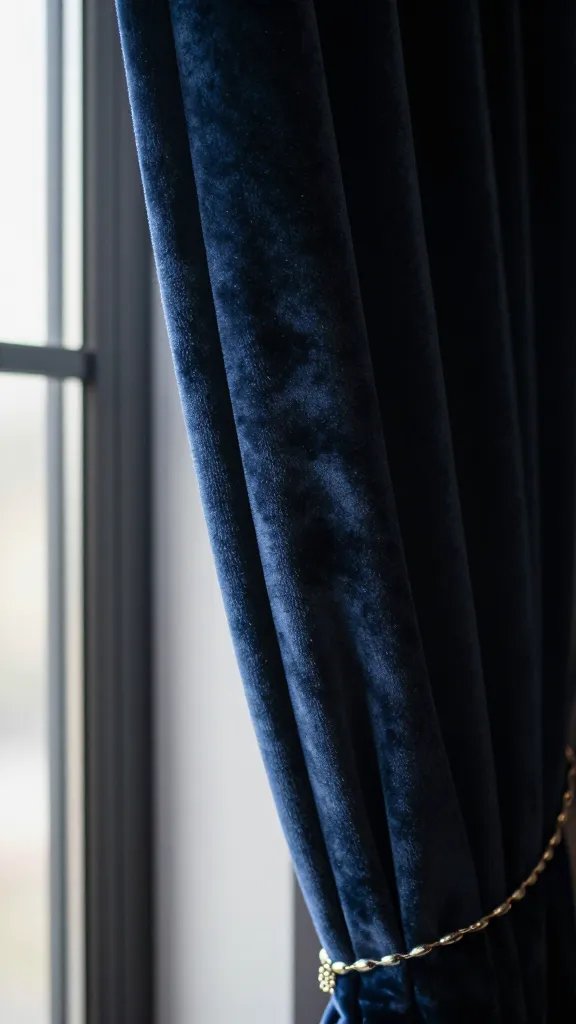
Fabric selection is where the magic happens. It affects privacy, insulation, and the overall vibe. Here are the big players:
– Linen: breezy, casual, wonderful texture; wrinkles like a champ, but that’s part of its charm.
– Cotton: versatile and easy to care for, a solid all-rounder.
– Velvet: drama, depth, and insulation—perfect for a luxe look and cooler evenings.
– Polyester blends: durable, wrinkle-resistant, and budget-friendly; great if you have kids or pets.
– Blackout lining: not a fabric on its own, but a game changer for light control and sound dampening.
– Sheer curtains: soften the light and add airiness without sacrificing privacy entirely.
Opacity: Light Control Without Compromising Style
– Sheers + Drapes: layer light and shade with a sheer under and a decorative drape over it.
– Single heavy drape: bold, bold, bold. Great for theater vibes or solid privacy.
– Night shift kit: blackout lining or room-darkening fabric for late-night movie marathons.
Color, Pattern, and How to Pick Without Regretting It

Color sets the mood. Do you want the curtains to vanish into the wall or stand out as a feature?
– Neutral tones (beige, gray, white) keep things calm and timeless.
– Bold colors (emerald, navy, mustard) anchor a room and can elevate an accent wall.
– Patterns (stripes, florals, geometric) inject personality but can dominate a space if you’re not careful.
Tips to avoid regret:
– If you have a busy sofa or rug, pick a solid curtain in a color that complements one of the furniture pieces.
– If your walls are loud, go solid to let patterns in your furniture shine.
– Consider taking a fabric swatch or a photo of your space to compare at home before buying.
- Lightens or darkens based on your needs.
- Coordinate with furniture and artwork, not clash with them.
- Test a small sample if possible to see how it looks at different times of day.
Length, Width, and Fit: The Practical Toolkit
Let’s get practical. Curtain sizing can make or break the finished look.
– Rod length: extend beyond the window frame to visually widen the window. A good rule of thumb is 2–6 inches beyond each side.
– Floor vs. puddle: floor-length curtains look crisp and modern; “puddling” a few inches adds romance but can be messy.
– Width: aim for 2x to 2.5x the window width when closed to create a full, gathered look.
– Hanging style: clip panels for a breezy vibe, or a clean rod pocket for sleek lines.
Hardware and Hardware Placement
– Rod diameter should match your hardware. Slim rods for delicate fabrics, thick rods for heavy drapes.
– Finials and brackets count as style signals: go minimalist for modern rooms, or ornate for classic spaces.
– Don’t forget about return: curved or double rods can help with full closure and a nicer drape.
Privacy, Insulation, and Sound: Do Curtains Do All the Heavy Lifting?
Curtains can help with practicals you might not think about.
– Privacy: thicker fabrics or blackout lining give you daytime privacy without sacrificing light when open.
– Insulation: heavy drapes can help with temperature control, especially in rooms with large windows.
– Sound: heavy fabrics dampen a bit of noise, but don’t expect a soundproof miracle.
Layering for Advantage
Layering is where you win big. Combine sheer curtains with a heavier outer layer. It gives you daytime light, privacy you can adjust, and a luxury feel. It also lets you play with color and texture without committing fully.
Maintenance, Durability, and Everyday Realities
Let’s be honest: you want curtains you don’t hate cleaning.
– Cleaning: cottons and linens often need gentle washing or dry cleaning; polyester blends usually handle machine washing better.
– Wrinkles: linen = wrinkles; iron or steam before hanging to keep them looking crisp.
– Pet and kid-friendly: choose fabrics that resist stains or are easy to spot-clean.
- Check care labels before you buy.
- Consider durability if you have kids or pets.
- Factor in sunlight exposure; some fabrics fade faster under strong sun.
Putting It All Together: A Quick Shopping Checklist
If you’re ready to shop, here’s a quick, no-nonsense checklist to keep you focused.
– Define the vibe: cozy, airy, luxe, or minimal?
– Measure twice, buy once: window height, width, and how far you want to extend past the frame.
– Decide on layering vs. single curtain: do you want that soft, filtered light or complete darkness?
– Pick a fabric family: natural textures (linen, cotton) or performance fabrics (poly blends with blackout).
– Confirm color and pattern: test swatches in your living room light.
– Choose hardware: rods, brackets, finials that fit your style and wall thickness.
– Plan care: machine washable or dry clean only?
Conclusion
Choosing curtains isn’t just about covering a window; it’s about shaping light, texture, and the mood of your living room.
Focus on how the fabric feels, how much light you want, and how much privacy you need.
Layering can be your best friend, and don’t be afraid to mix bold colors with calm neutrals to keep things lively but not chaotic.
With the right pair, you’ll be sipping coffee and admiring your window before you know it.
FAQ
Q1: How do I know if I should add a blackout lining?
Blackout lining is great if you often wake up with the sun or you watch a lot of late-night TV.
It blocks most light and helps with insulation, which can reduce noise a bit and keep rooms warmer in winter. If you’re after a lighter, daytime look, you can skip it or go with a partial lining.
Q2: Can I mix fabrics in the same window treatment?
Absolutely. A sheer underlayer with a heavier outer curtain gives you flexibility and depth. It softens the light during the day and gives you privacy at night.
It’s a classic layering trick that looks intentional, not like you forgot to finish the project.
Q3: How high should I hang curtains to make a room feel bigger?
Hang your curtains higher than the window frame, about 4–6 inches above, and extend them to the floor. This elongates the wall and draws the eye upward, creating the illusion of more height and space.
Q4: Are curtain colors supposed to match walls or furniture?
There’s no hard-and-fast rule. If you want a calm, cohesive space, match curtains to walls or furniture.
For a punch of personality, pick a color that complements one key piece. Either way, test swatches in your room’s lighting before committing.
Q5: How do I maintain wrinkles in linen or cotton curtains?
Iron on a suitable setting or use a garment steamer for delicate fabrics.
If you have sheer or lined panels, a quick steam can smooth most wrinkles between uses. If you’re not a fan of ironing, choose fabrics that hang well with natural creases.
Q6: Do I need professional installation?
Not always. If you’re comfortable with measuring and drilling, you can install most rods and brackets yourself.
Some projects—especially heavy drapes on high walls—are easier with an extra pair of hands or a professional for a flawless fit.
If in doubt, a quick consult at a home store or with a decorator can save you trouble.