How to Decorate a Small Living Room You’Ll Actually Love
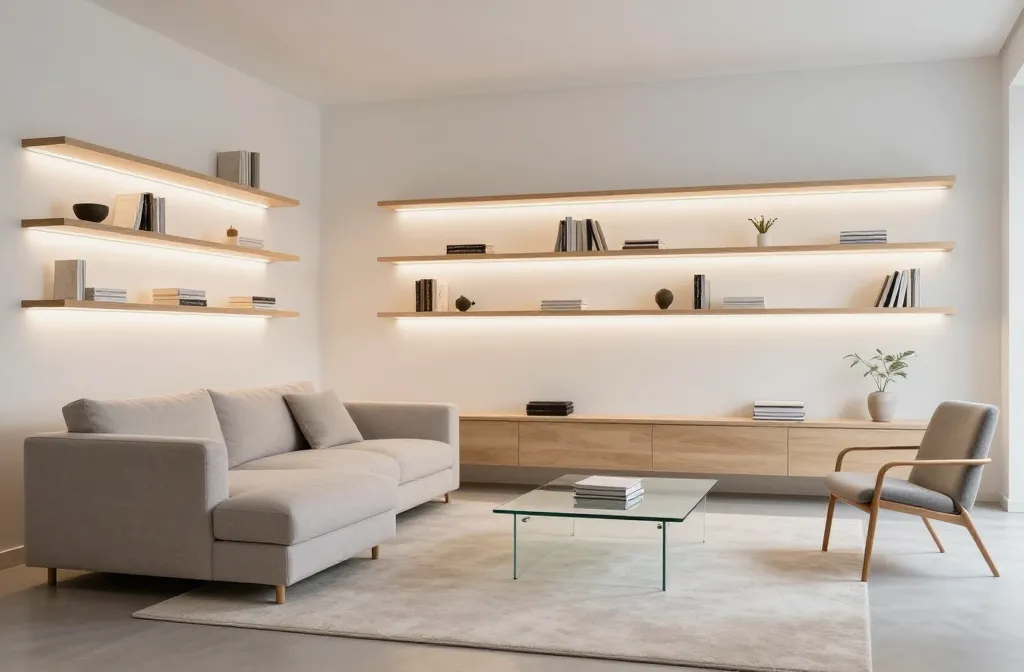
Looking for ways to make your small living room feel bigger and stylish? In this post, we’ve curated clever small living room ideas that suit any style or aesthetic.
Struggling with cramped spaces or limited seating? These simple tips help you maximise every inch while keeping the room cozy.
Want to add a focal point without overwhelming the room? Our ideas show how small accents, like rugs or wall art, can make a big difference.
Even a tiny living room can feel open, inviting, and Instagram-worthy with the right furniture and decor.
Check out these small living room ideas and turn your compact space into a chic and comfortable haven!
Maximize space without sacrificing charm
Small rooms hate clutter more than my inbox hates Mondays. The first rule is ruthlessly curb what you keep. Only keep pieces that earn their keep.
- Multi-purpose furniture: a storage ottoman, a sofa bed, or a coffee table with shelves can replace several separate items.
- Scale matters: choose furniture that’s comfortable but not bulky. Think low-profile sofas and slim-profile chairs.
- Floating elements: wall-mounted shelves free up floor space and make the room feel bigger.
FYI, being practical doesn’t mean sacrificing style.
Your space can be functional and fabulous at the same time. Ask yourself, “Do I love this? Will I still love it after a year?” If the answer is yes, it stays. If not, it goes.
Light it up like you actually want to see yourself in the mirror
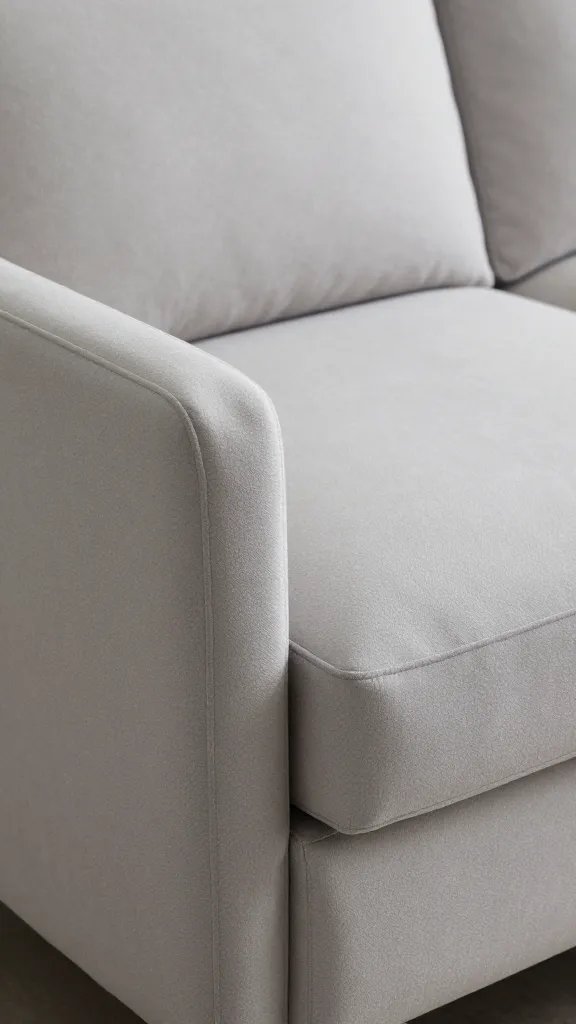
Lighting changes the mood and the perceived size of a room. Think layered lighting: ambient, task, and accent. No glare, please.
Layered lighting, explained
Ambient light fills the room softly. Task lighting helps you read a manual or a cookbook without wrestling with shadows. Accent lighting highlights your favorite art or plants and gives the room personality.
- Ceiling light or a slim chandelier for general glow.
- Table lamps near seating for easy reading—swap harsh bulbs for warm ones.
- Floor lamps to fill corners and create depth.
Pro tip: keep most lamps behind seating rather than directly in front of you. It reduces glare on screens and makes conversations flow better. IMO, nothing kills a vibe faster than a light in your eyes when you’re trying to binge a show.
Color, texture, and pattern: not a DIY disaster
Color can shrink or swell a room’s feel. In a small living room, you want cohesion without dullness. Think harmony, not monotone beige.
Pick a unifying palette
Choose a main color and one or two accents. If you love bold, use it as pops in small doses—pillows, a rug, or artwork. If you lean minimalist, go with a limited neutral scheme and a few contrast pieces for texture.
- Light walls bounce light around and make the space feel airier.
- Texture adds depth: knit throws, linen cushions, a jute rug.
- Patterns should be intentional: a single bold print can be your accent, not a wall-to-wall assault.
Note: texture wins over color when you’re decorating on a shoestring. You can fake a high-end look with tactile surfaces more easily than with expensive paints.
Smart storage that looks intentional
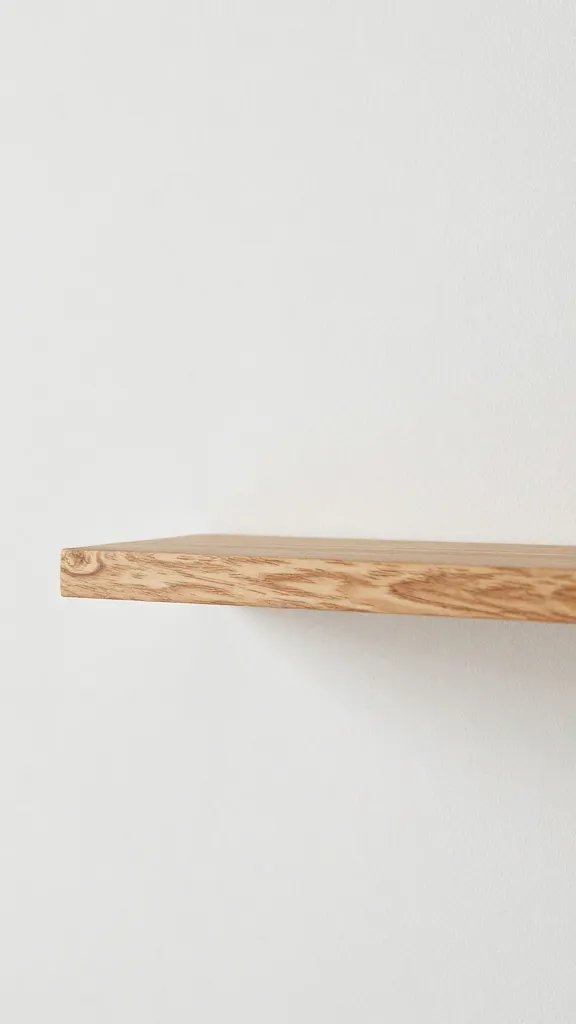
Small rooms breed chaos if you don’t conquer it at the source. Build storage into your everyday routines rather than tucking items into hidden corners.
Ways to hide the clutter while keeping brag-worthy style
Yes, hiding clutter matters. You just want it to look intentional, not like you forgot to finish the room.
- Built-in shelving around a doorway or window adds storage without stealing floor space.
- Hidden storage in coffee tables, benches, and beds keeps essentials out of sight but within reach.
- Closed storage: cabinets and baskets hide a multitude of sins, and they look neat when organized by category.
Quick organizational rule: designate a spot for every category of item. If you rummage for a moment to find a remote, you’ve done something wrong. Fix it, then pat yourself on the back.
Seating that invites conversation (and isn’t a maze)
The heart of any living room is the seating arrangement. In a small space, you want conversations to happen, not to require a map and GPS.
Layout ideas that work
Think intimacy and interaction. You don’t need a full sofa and three chairs if it makes the room feel like a hotel lobby.
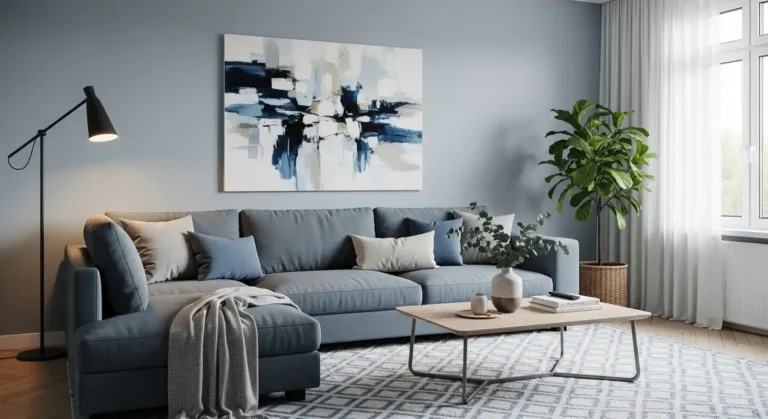
- Two compact sofas facing each other or a sofa with a pair of accent chairs creates a natural conversation pit.
- A sectional can be great if it fits your room shape, but measure carefully—dead corners are the enemy of good flow.
- Chair and a half or slim lounge chairs can be swapped in and out to adjust for guests.
Pro move: angle seating toward a focal point like a TV, fireplace, or a piece of art. It creates a cozy zone and avoids stiff, museum-like lines.
Art, plants, and personality without the overwhelm
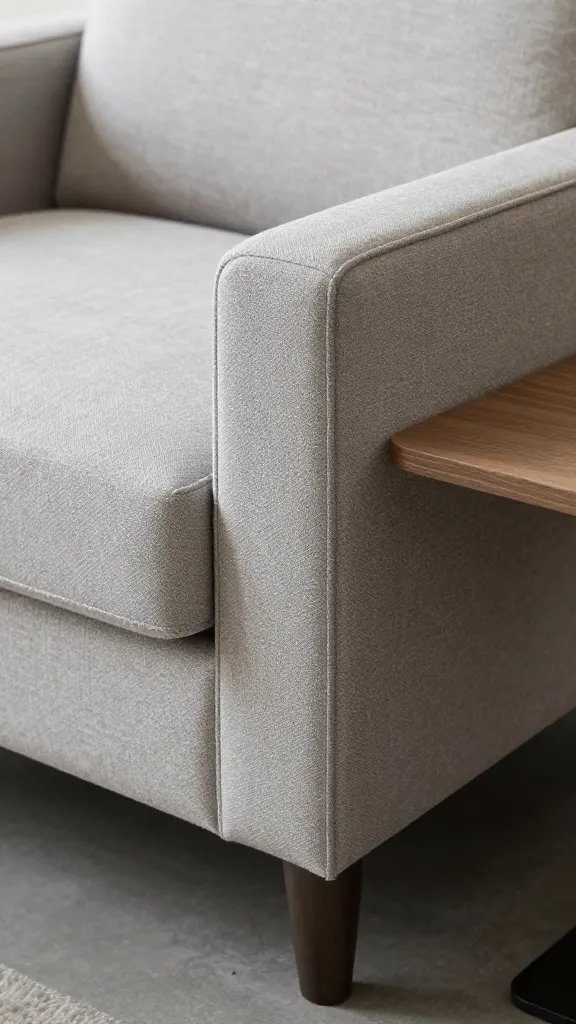
Your space should feel like you, not a Pinterest board. Personal touches can do wonders—without turning the room into a clutter museum.
A few rules for adding character
Less is more when you’re decorating small spaces. Pick 2–3 statement pieces and let them shine.
- Statement art or a bold mirror can make the wall feel bigger and reflect light.
- Plants bring life and texture; choose low-maintenance options like pothos or snake plants if you’re busy.
- Layered textiles (throw + rug) create warmth and depth without heavy purchases.
FYI, mirrors aren’t just for vanity. A well-placed mirror can double the perceived space by bouncing light around the room. It’s like magic, but less dramatic and more practical.
Tech that blends in, not screams at you
If you’re a tech person, you know the struggle: sleek gadgets clashing with design. Balance function with form, so electronics disappear into the vibe rather than dominate it.
Make tech feel part of the room
Hide wires, mount screens, and choose devices with clean lines. A wall-mounted TV or a slim soundbar often looks better than a bulky entertainment setup.
- Conceal cables with cord channels or raceways.
- Accent storage for remotes and chargers keeps surfaces clear.
- Wireless options reduce clutter, but don’t chase every new gadget—only keep what you actually use.
IMO, you don’t need a smart home fortress to feel tech-savvy. A few well-placed devices and tidy cables go a long way.
Quick makeover checklist: salvageable and stylish in a weekend
If you want a fast track to a better small living room, follow this simple checklist.
- Declutter in 60 minutes: keep only what you love or truly use.
- Rearrange seating to create a natural conversation circle.
- Add a focal point: art, plant, or a striking rug.
- Layer lighting: one ceiling light + two lamps for warmth.
- Upgrade textiles: a new rug and a couple of cushions.
Small changes, big impact. It’s almost like magic, except you did the planning and paid the bill.
Conclusion
Decorating a small living room isn’t about squeezing every inch into chaos. It’s about making every inch count.
Be intentional with furniture, lighting, color, and storage, and you’ll transform a cramped space into a welcoming, stylish haven.
The best part? You’ll still have room for snacks and a good movie night. You’re welcome, FYI.
FAQ
How do I choose the right size rug for a small living room?
The rug should fit beneath the front legs of all seating, or at least the front legs of the sofas. This anchors the furniture and makes the space feel cohesive without overwhelming the floor. If you want a bigger look, use a rug that tries to extend under most seating rather than stopping at the coffee table.
What are the best storage ideas for a tiny living room?
Think vertical and hidden. Wall-mounted shelves, ottomans with storage, and coffee tables with drawers or baskets keep essentials out of sight. Use decorative bins for quick access to remotes, chargers, and cables. Every item should have a designated spot.
Which color schemes work best in small rooms?
Light neutrals are the classics because they reflect light. Add texture with textiles and a few bold accents to prevent monotony. If you love color, pick one strong hue for cushions or artwork and keep the rest subdued.
How can I make a small living room feel bigger without major renovations?
Use mirrors to bounce light, keep windows clear of heavy drapes, and choose furniture with legs to create a sense of openness. Layer lighting and declutter regularly so the space breathes. Little changes, big feelings.
Is a sofa bed a good idea for a small living room?
Yes, if you actually use it as a bed and it fits well with your traffic flow. Look for compact profiles, simple mechanisms, and comfortable cushions. If you won’t use it as a bed often, a regular sofa with a futon chair might be a better fit.