How to Create an English Cottage Garden That Enchants
I can almost smell the roses already. If you’ve ever stared at a blank patch of soil and thought, “There has to be a better way to grow happiness,” then you’re in the right place.
Let’s craft an English cottage garden that feels whimsical but doable, even if your green thumb is more “brown on the inside” than green on the outside.
What makes an English cottage garden vibe, anyway?
It’s not just flowers slapped together and hoping for the best.
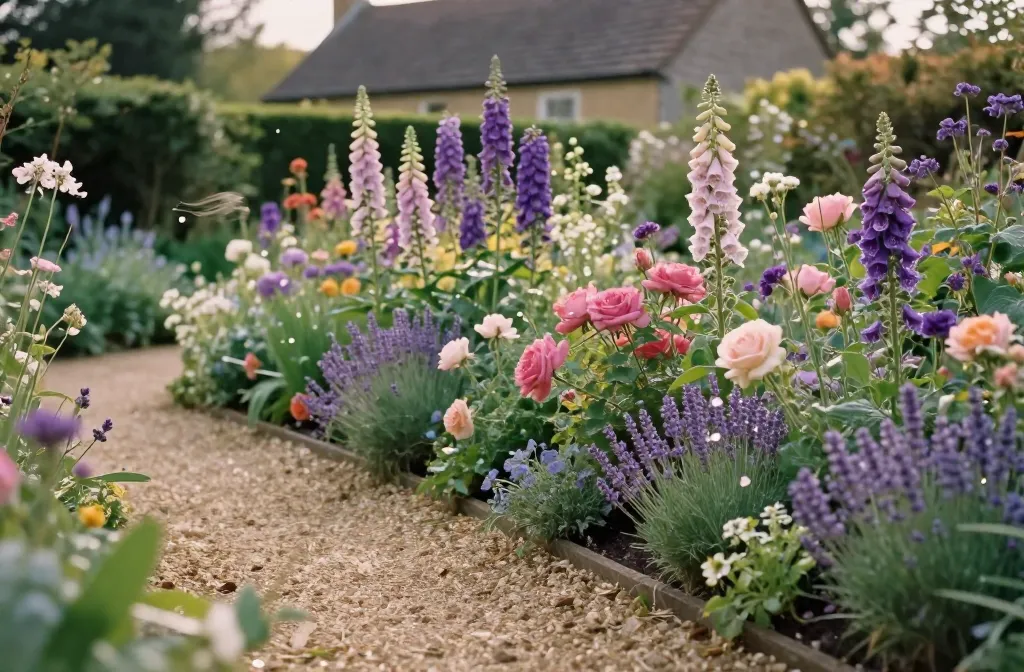
An English cottage garden is all about informal, luscious layers, a mix of edibles and ornamentals, and a sense that the space grew by accident and charm.
Think meandering paths, lots of scent, and plenty of color that shifts with the seasons. It’s welcoming, a little wild, and deeply romantic without trying too hard.
Start with a loose plan, not a rigid blueprint
Your goal isn’t a perfect grid; it’s a garden that invites you to linger. Begin with:
- Choose a few anchor plants that bloom at different times.
- Map paths so you catch color from multiple angles.
- Leave room for surprise—volunteer plants and self-seeders that add charm.
Ask yourself: where do I enjoy sitting most? Where does the sun fall in the afternoon? Then sketch a rough layout that lets plants spill over borders and soften edges.
Layering with purpose: height, scent, and color
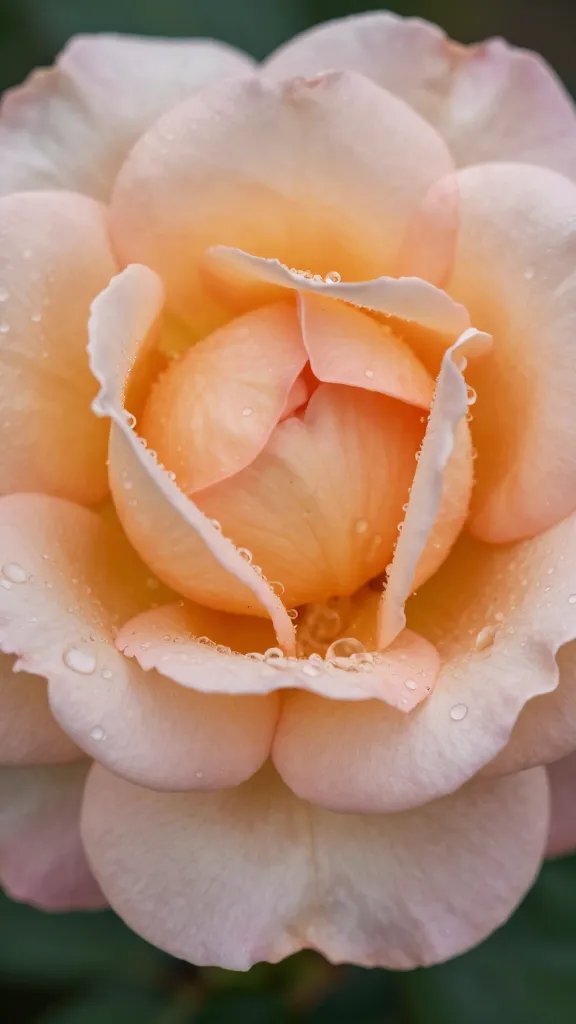
The cottage garden thrives on layers. Tall things go at the back or in the center of a curved bed, and shorter plants tuck in at the front. Mix textures as well as colors to keep things interesting.
Height ideas that won’t trap sunlight
- Back row: Perennial grasses, foxglove, delphinium, hollyhock.
- Middle: Roses, peonies, lavender, salvia.
- Front: Stocks, poppies, forget-me-nots, alyssum.
Fragrance that walks with you
Plant lavender, rosemary, and rosemary’s cousin thyme near paths. Add scented roses or jasmine where you’ll actually notice them in the evening.
FYI, scent boosts mood and makes you want to linger, which is exactly what we want in a cottage garden.
Where color meets the calendar
An English cottage garden isn’t a one-note wonder; it’s a chorus that changes with the seasons.
Aim for continuous bloom from spring through autumn, with a few stalwarts year-round.
- Spring stars: Anemones, wallflowers, primroses, tulips before the heat hits.
- Summer chorus: Roses, delphiniums, foxgloves, daisies, and lavender.
- Autumn glow: Asters, sedums, ornamental grasses, chrysanthemum varieties.
Edibles mingle with ornamentals
You don’t have to pick between beauty and a snack. A cottage garden can incorporate herbs and edible flowers without feeling like a kitchen garden on steroids.
Edible pockets that look intentional
- Herb spirals near seating—ready to snip and nibble.
- Comfrey or comfrey-like greens tucked by borders for healing mulch and soil benefits.
- Marginal edibles: alpine strawberries, nasturtiums, edible chervil mingling with roses.
Paths, gates, and the slow walk through the garden
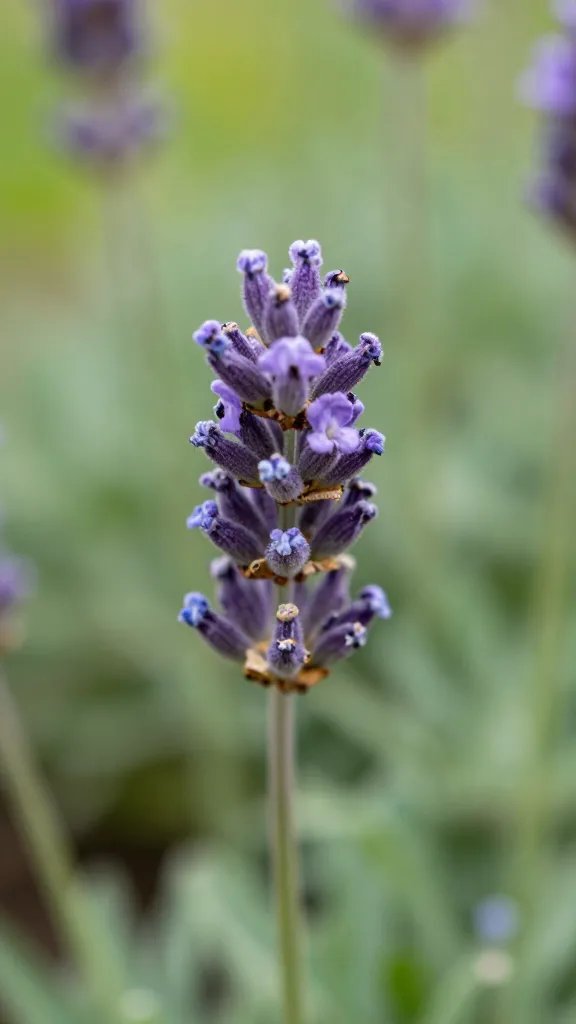
Paths are more than transit lines; they’re the invitation.
A curved, forgiving path invites you to wander, peek behind the tall blooms, and discover little pockets of color.
Materials that say cottage, not fortress
- Brick, crushed stone, or bark mulch for a soft, timeless look.
- A low, rustic gate or arbor acts as a framing device for the first bloom punch.
- Consider stepping stones set irregularly to encourage a gentle, meandering pace.
Maintenance without murder-grade effort
Cottage gardens are meant to feel a little wild, but they still need care. The trick is low-effort maintenance that preserves the charm.
- Mulch generously to suppress weeds and keep moisture steady.
- Deadhead regularly, but don’t overdo it—let some seed heads stay for autumn interest.
- Keep a pruning rhythm that respects plant habits—roses, lilacs, and peonies all have their own moods.
How to choose plants without losing your mind
The key is grouping by sun needs and water tolerance, then filling in with color and texture that tie everything together.
Starter plant list that usually behaves
- Roses (old varieties if you can): reliable bloom and perfume.
- Lavender and salvia: long-lasting color with a fragrance punch.
- Foxglove, hollyhock: height and a cottage classic look.
- Peonies and peony-like perennials: big, showy blooms with limited care.
- Annuals for quick impact: cosmos, zinnia, ‘poppy-ish’ varieties that self-seed nicely.
Seasonal tasks to keep it charming all year
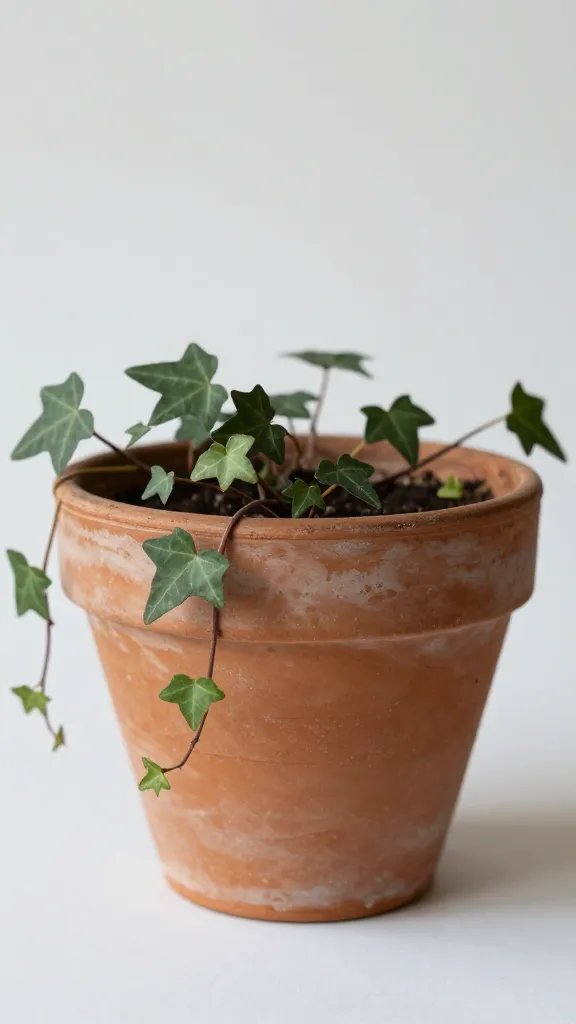
No one wants to yank out a brown, scraggly bed in May. Here’s a simple rhythm that keeps things looking lush.
- Spring: sharpen edges, clean up debris, plant a few complementing annuals for instant color.
- Summer: water wisely, deadhead to encourage repeat blooms, stake tall stems only if needed.
- Autumn: cut back perennials that flop, plant bulbs for next spring’s surprise, mulch deeply.
- Winter: tidy but resist the urge to clear all mystery—some seed heads provide structure and food for wildlife.
Room for wildlife and a bit of chaos
A cottage garden isn’t anti-critters; it thrives with them. Welcome pollinators with small nectar-rich plants and leave some leaf litter for bugs to munch on.
The result? A healthier, livelier garden that still feels like a storybook.
Wildlife-friendly tweaks
- Provide shallow water for bees and butterflies (a saucer with pebbles works well).
- Plant a native-border mix to invite local fauna without introducing invasive species.
- Leave a corner a bit less manicured for natural growth and shelter.
Conclusion
Building an English cottage garden is less about perfect symmetry and more about living with plants you love, in a space that invites you to slow down and enjoy.
Start with a gentle plan, layer by layer, and let serendipity do some of the heavy lifting.
If you’ve got a sunny corner begging for romance, give it a go and see how it blooms into something wonderfully imperfect.
FAQ
What’s the simplest way to start a cottage garden?
Pick a small sunny bed, choose 2–3 perennial stars (think roses or lavender), add a few annuals for color, and lay a curved path outline to guide your eye. Keep it informal and let things spill over the borders a little. IMO: start small and grow as you learn what thrives in your microclimate.
Do I need a lot of space to create this look?
Not really. A modest corner or even a long, narrow strip can feel cottage-garden enough if you layer plants, textures, and scent along a curved path. If you have more space, you can go wilder, but the charm still translates well in smaller plots.
Which plants are best for beginners?
Roses (old-fashioned or shrub varieties), lavender, salvia, foxglove, and hollyhocks are sturdy, showy choices. Add hardy annuals like cosmos and zinnias for quick color. FYI, choosing disease-resistant varieties saves you a ton of headaches later.
How important is fragrance?
Very. Fragrance textures the experience and makes evenings magical. Plant a lavender border by paths, some roses near seating, and herbs like thyme or rosemary in easy reach for a sensory punch.
How do I keep it low maintenance?
Mulch well to suppress weeds and retain moisture, prune with a light touch to maintain shape, and let some self-seeders do their thing. If you notice a plant behaving badly in your climate, swap it for something tougher—no shame in a plant-neutral swap.
Can I mix edibles with flowers without a kitchen-garden vibe?
Absolutely. Use edible foliage as textural greenery and place flowering herbs where they can mingle with ornamental blooms. Think rosemary with roses, chives near daisies, and nasturtiums twining through the borders for a pop of color and a peppery bite.