How to Hide Washer Hoses in Laundry Room Secrets
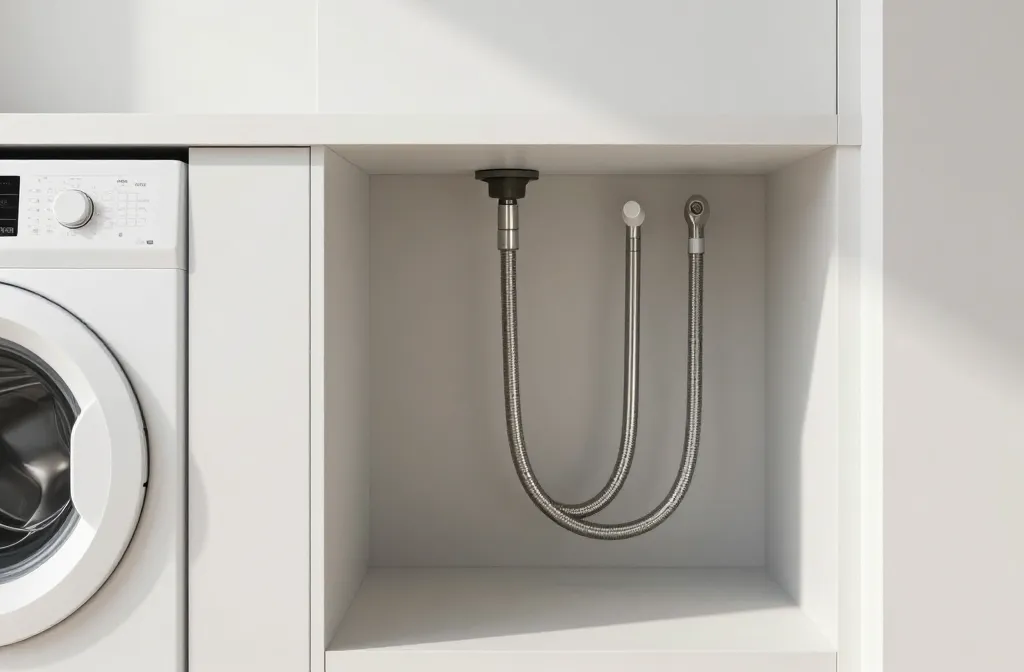
Don’t let visible washer hoses steal the charm of your laundry room! With a few creative solutions to hide washer hoses, you can make even the smallest laundry area look neat and polished.
From discreet covers to smart cabinetry, these ideas will transform your laundry setup from chaotic to clean in no time.
When I first moved into my new house, I was excited about the laundry room—until I noticed the tangle of washer hoses behind the machines.
They were messy, unsightly, and honestly a little intimidating.
I knew there had to be a way to hide washer hoses in the laundry room without spending a fortune or doing major renovations.
After a bit of research and experimenting, I found simple solutions that made the hoses almost disappear, creating a cleaner, safer, and more organized space.
From clever covers to smart placement ideas, these tips completely transformed my laundry setup and made chores feel a little less stressful.
Hide the hoses without losing function or flow
Who says concealment must kill accessibility? The trick is to keep hoses visible and serviceable while blending them into the room’s design.
Start by locating where the hoses come in and where they connect to the washer and wall.
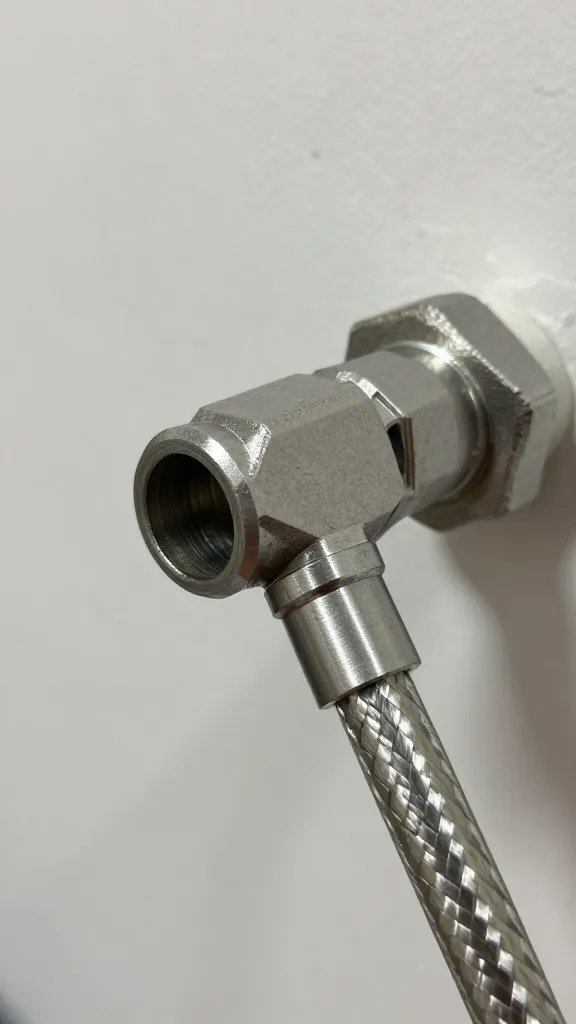
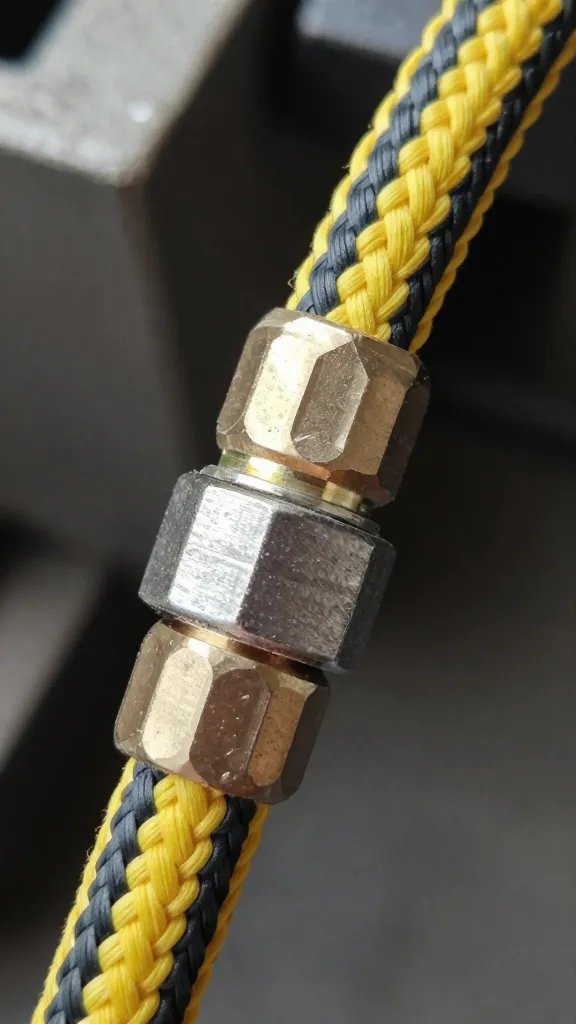
If the hoses are old or leaking, FYI, now’s the time to replace them with sturdy, braided stainless steel lines.
They look nicer and reduce the odds of a surprise flood.
– Measure and note where hoses exit the back of the washer.
– Inspect for cracks, bulges, or dry rot, and replace if needed.
– Choose color-matched or braided hoses for a cohesive look.
Flight plan for concealment
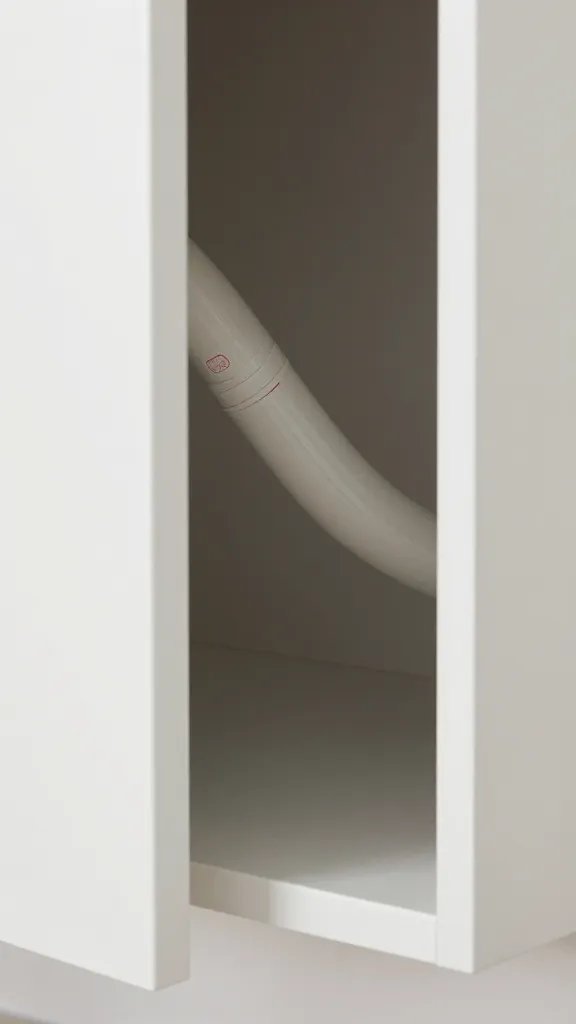
– Use a shallow wall cabinet or open shelf above the washer to tuck away hoses and valves.
– Install a simple panel that sits flush with the back wall to hide hoses without blocking access.
– Consider a recessed laundry box where hoses enter the wall for a cleaner silhouette.
Simple concealment ideas that actually work
You don’t need to turn your laundry room into a spa to make hoses disappear. Small changes add up fast and keep things functional.
– Build a small cabinet over the washer that hides the hoses and the water shutoff valves.
– Install a decorative cover plate or a framed panel that surrounds the hoses but leaves room for maintenance.
– Use a shallow pegboard or lattice screen on the wall behind the washer to disguise hoses while letting you reach connections.
Color and texture play nicely
If you want the hoses to disappear into the decor, match them to the wall or cabinet color. This isn’t “difficult,” it’s “a few minutes with paint and swatches.”
Remember: better to pick a hue that doesn’t shout “hose hiding project in progress.”
– Paint the wall behind the washer in a warm neutral.
– Use cabinet doors that reach nearly to the back of the washer.
– Add a small rug or boot tray to ground the space and distract from the hoses.
Smart mounting options that save space
Mounting hardware isn’t just for art; it’s for hiding hoses too. A little hardware goes a long way.
– Wall-mounted hose brackets keep hoses off the floor and out of sight.
– A recessed washing machine box provides a neat entry for hoses and plumbing behind a door or panel.
– Cable raceways or cord covers aren’t just for electronics; they work on laundry hoses too—just pick a low-profile option.
Getting the right depth
Measure your washer’s depth and the available space behind it.
You want enough room to thread hoses without kinks but not so much that the hoses look like they’re auditioning for a sci-fi movie.
– Typical back clearance should be at least 6–8 inches if you’re routing hoses behind a panel.
– Check that the door or panel can close without hitting hoses.
Safety first: keeping leaks and access in check
Function is sexy, but safety pays the bills. Concealment should never block important maintenance.
– Leave waggle room for hoses to move a bit—no rigid, straight lines pressed tight against a wall.
– Keep the supply shutoff valves accessible and clearly labeled.
– Use a drip tray under the washer if possible, especially on upper levels or near wood floors.
Labeling like a pro
Label each hose with a simple tag: “hot,” “cold,” and “drain.” It sounds tiny, but it saves you from midnight confusion when you’re doing a mini-maintenance sprint.
– Use waterproof labels or tape with a permanent marker.
– Put the labels near the valve and at the hose connection.
Different layout scenarios: small space vs. big laundry rooms
Let’s tailor the approach to your room size. Big space? You can go with built-in cabinetry and decorative panels. Tiny space? Focus on a single, clean wall-mounted solution.
– Small spaces: a slim cabinet above the washer plus a wrap-around panel on the back wall can hide hoses without crowding the room.
– Large rooms: install a partial divider or a decorative shutter that hides hoses while adding a design feature.
Pro tip for renters
If you’re renting, you’ll want reversible options. Use removable panels or adhesive-backed latch systems that don’t leave marks.
Ask for permission to install a temporary board or shelving that can be removed cleanly later.
DIY vs. pro help: when to call in the big guns
Some hiding jobs are quick DIY wins; others deserve professional hands. Here’s the quick gut check:
– You can swap hoses and install a shallow back panel yourself if you’re comfortable with basic tools.
– If your plumbing is old, corroded, or you find water stains, call a licensed plumber before you proceed.
– If you’re installing new cabinetry or modifying walls, a carpenter or handyman can do it faster and neater.
– DIY approach: replace hoses, install a back panel, mount a small cabinet.
– Pro approach: custom-built cabinet that hides hoses and valves and matches your space.
Final touches
Small details matter. The last mile of any hide-the-hose project is about polish.
– Use soft-close cabinet doors so you don’t wake the whole house every time you access the hoses.
– Add a framed border or trim to the panel for a seamless look.
– Keep a clean floor by placing a mat, so you don’t trip on hoses peeking out.
Conclusion
Hiding washer hoses isn’t about pretending they don’t exist; it’s about making them vanish into the room’s design so your space feels calmer and safer.
With a little planning, some smart mounting, and a few decorative tricks, you can have a laundry room that looks tidy and works hard.
So go ahead—tuck those hoses away, label them, and enjoy the upgrade. FYI, your future self will thank you.
FAQ
Do I really need to hide the hoses?
Hiding them isn’t mandatory, but it helps reduce visual clutter, makes the room feel cleaner, and keeps hoses away from foot traffic.
It also helps protect hoses from accidental damage and makes leaks harder to ignore.
What tools do I need for a simple concealment project?
You’ll typically need a drill, screwdriver, stud finder, measuring tape, utility knife, a small handsaw (if trimming panel edges), caulk or wood filler, and a level.
If you’re mounting cabinets, you’ll also want brackets and screws sized for your wall.
Can I hide hoses without drilling new holes?
Yes. Use existing wall space and shallow cabinets or panels. Reuse current cutouts if possible, and consider removable back panels that don’t require permanent changes.
How do I keep hoses accessible for maintenance?
Leave a small access gap behind the panel or use a panel that can hinge open.
Label valves clearly and avoid tight, rigid routing that would hinder inspection or replacement.
What if I rent and my landlord says no major changes?
Opt for non-permanent options: adhesive-backed panels, decorative screens, or a freestanding cabinet that sits beside the washer without touching the wall.
Reversible changes keep you in the good books while still giving you a cleaner look.