How Much Does a Home Gym Cost Without the Hype
Thinking about setting up a home gym but worried about the cost?
In this post, we break down home gym expenses so you can plan a space that fits both your budget and your fitness goals.
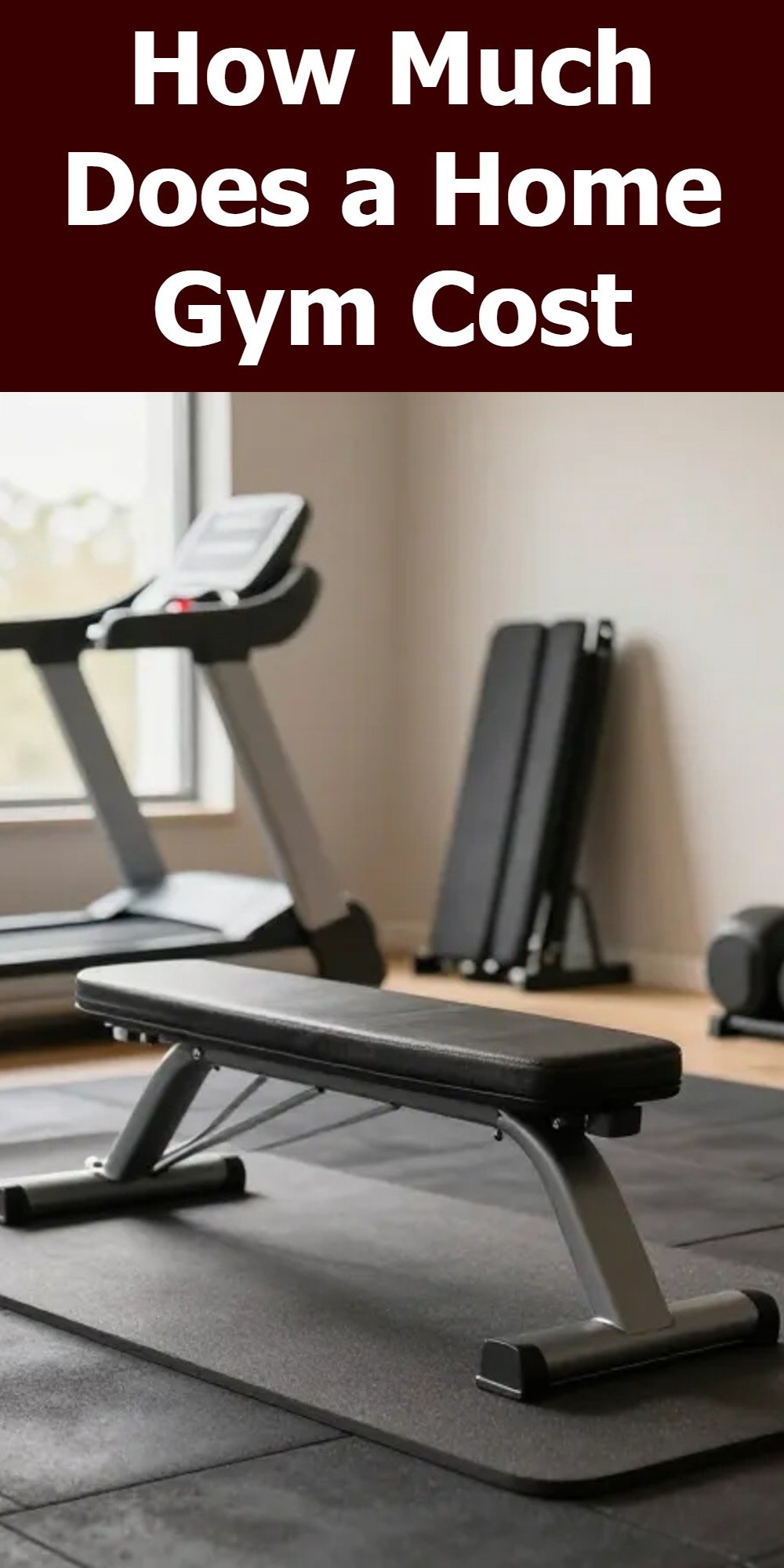
From compact equipment for small apartments to larger setups for spacious rooms, we’ve curated tips to help you get the most bang for your buck.
Ever wondered how much a treadmill really costs compared to a full dumbbell set? These insights will help you prioritise purchases and avoid overspending.
If space is tight, don’t worry—our budget-friendly ideas show how even a corner of your living room can become a functional and motivating workout zone.
Ready to learn how to invest wisely in a home gym that lasts? Keep reading for cost breakdowns, hacks, and tips to create your perfect fitness space without breaking the bank.
What you’re really buying (and why it matters)
A home gym isn’t just a pile of shiny equipment. It’s space, durability, and how often you’ll actually use it.
That “cost” isn’t only the sticker price; it’s the value of convenience, consistency, and long-term savings on gym fees and travel time.
Do you want quick workouts before coffee or hour-long sessions after work? Your answer shapes the price tag.
Entry-level setups: budget-friendly, high vibes
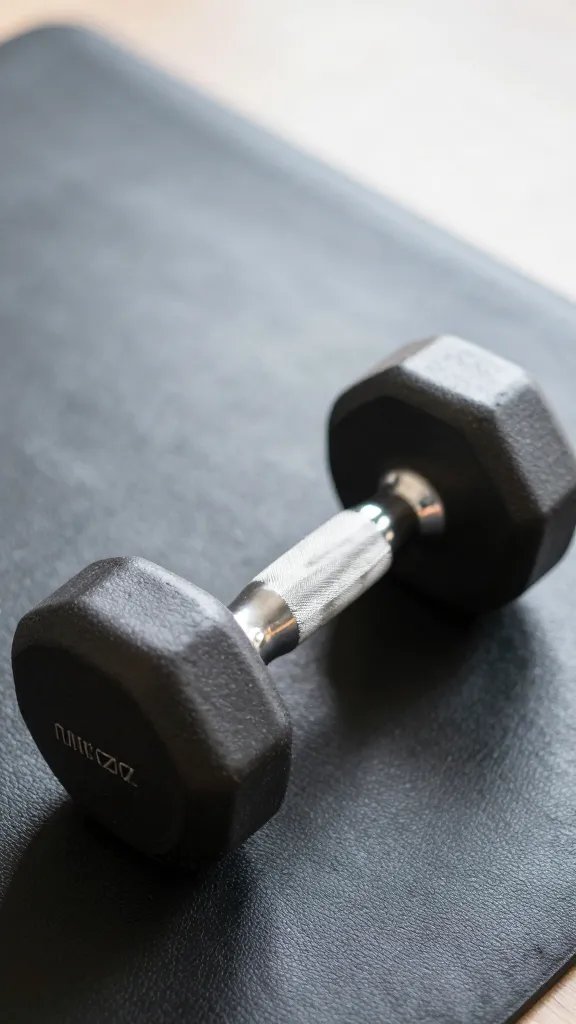
If you’re starting small, you can build a solid routine without breaking the bank.
- Basic cardio option: a foldable treadmill or jump rope with a cardio mat
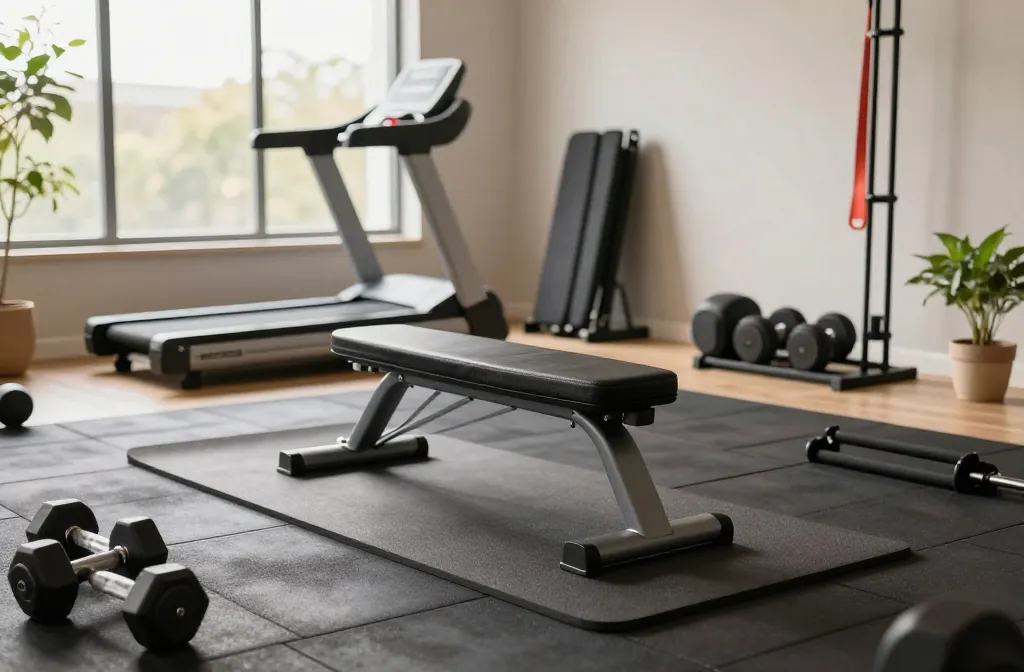
- Strength starter: a pair of adjustable dumbbells (5-50 lbs), a resistance band set, and a compact bench
- Flooring: interlocking rubber tiles or foam mats to protect you and your floor
Typical cost range for entry-level: roughly $300–$800 if you grab good deals and second-hand finds. FYI, a lot of people underestimate bootstrapping with used gear, and you can end up with a surprisingly solid setup.
Mid-range magic: more versatility, better long-term value
If you want more variety without sprinting into “too much gear” territory, this is your lane.
- Adjustable bench + rack: a compact squat/bench setup
- Adjustable dumbbells or a dumbbell pair with a rack
- Resistance bands, a kettlebell set, and a stability ball
- Compact cardio: a rower or a compact treadmill
Typical cost range for mid-range: around $1,000–$2,500. You’ll gain more exercise options and sturdier equipment that lasts. If you snag a good sale, you can keep it closer to the lower end.
High-performance setups: gym-quality without the gym lease
This is for folks who want serious variety, heavy lifting capability, and the “wow, I actually have this at home” factor.
- Power rack or half rack with a barbell, plates, and a high-quality bench
- Olympic barbell with weight plates
- Cable pulley system or multifunction machines for rows, presses, and leg work
- Free-weight area with ample matting and maybe a vertical storage solution
Typical cost range for high-end: $3,000–$8,000+ depending on brands and space. FYI, this is where people start calculating ROI in terms of gym memberships saved, and you’ll probably justify the cost with consistent use.
What actually drives the price (besides sticker shock)
You’ll hear terms like “space” and “durability” a lot, and there’s a reason.
Space and layout
If your gym lives in a garage or a spare bedroom, measure twice and buy once. Bigger footprint = higher price and bigger asset risk if you don’t use it. Do you have ceiling height for pull-ups? Is there enough room to row or deadlift safely? Plan around your space, not your dreams alone.
Durability and build quality
Stainless steel, quality bearings, reinforced frames—these push the price up but save you in maintenance and replacement headaches. If you’re mostly doing bodyweight stuff, you can get away with lighter gear; if you’re loading heavy barbells, upgrade to solid racks and plates.
Versatility vs. specialization
A single cable machine can replace a lot, but it costs more. A couple of free weights plus a few clever attachments can cover most workouts at a fraction of the price. Decide which exercises you’ll actually do consistently.
Smart shopping: save without compromising safety
You don’t have to max out your credit card to build something solid. Here are practical ways to save.
- Buy used gear from reputable sources or local marketplaces
- Look for bundles and sets that include multiple accessories
- Watch for seasonal sales (New Year, Black Friday, end-of-year clears)
- Prioritize safety: check for rust, worn grips, bent bars, and loose bolts
Pro tip: a well-maintained used power rack can feel almost as good as a new one, with a fraction of the price. But inspect it like a detective on a stakeout.
How to plan your budget (without waking up in a cold sweat)
Let’s break down a simple approach, so you don’t wake up at 3 AM thinking about dumbbells.
- List your must-have moves: squats, bench press, rows, cardio, mobility.
- Map them to gear: identify the minimum equipment that covers those moves.
- Estimate space and weight: how big is your area, can you safely lift?.
- Set a realistic budget and a purchase plan: are you buying pieces now or in phases?
Bottom line: start with the core gear, then add accessories as your routine locks in.
Maintenance and running costs you shouldn’t ignore
A gym at home isn’t just a one-off purchase. It’s ongoing.
- Flooring wears down, protection helps; expect to refresh mats every few years
- Lubrication, belt checks, and bolt tightening for moving parts
- Repairs: discounts on parts and occasional replacements for worn components
FYI: monthly costs can creep in if you buy low-quality coatings and parts that wear quickly. If you value quiet workouts, consider rubber mats that dampen noise and vibrations.
Making it yours: personal touches that boost consistency
Your home gym works best when it feels like you. Add small touches that boost motivation and accountability.
- Motivational gear: a chalk bowl, timer app, or whiteboard for goals
- Sound and lighting: a small speaker or mirror placement to check form
- Storage: shelves or wall-mounted racks to keep things organized
Guess what? a space that looks put together is a space you’ll actually use. IMO, tidy gear = more workouts.
Conclusion
Getting a home gym doesn’t have to be a dream you abandon.
Start with a clear plan, pick a sensible budget, and choose gear that fits your routine—not just your fantasy gym.
Whether you spend a couple hundred or several thousand, the magic is consistency.
If you use it regularly, the ongoing savings and convenience pay off faster than you’d expect.
FAQ
How much does a complete beginner home gym cost?
A solid starter setup can run about $300–$800 if you snag good deals on basics like adjustable dumbbells, a bench, and a mat. If you want more cardio options, add a compact treadmill or jump rope for another $150–$500.
Is a full power rack worth it for home use?
If your goals include heavy squats, deadlifts, and bench presses at substantial loads, a power rack can be worth it. Expect to pay $800–$2,500 for a solid rack plus a barbell and plates. It’s a big investment, but it pays off in versatility and safety.
Can I set up a home gym in a small space?
Yes. Focus on multi-use equipment and foldable or compact gear. A power rack with a fold-away bench, a couple of adjustable dumbbells, and resistance bands can fit in a small room or garage corner.
What’s the best way to save money when building a home gym?
Buy used gear from reputable sources, prioritize multi-use items, watch for sales, and avoid expensive tech you won’t use. Inspect items carefully for wear and safety before buying.
How long does it take to recoup the cost through gym savings?
It varies, but if you estimate the monthly gym membership you’re avoiding and multiply by 12–24 months, you’ll have a rough idea.
If you’re consistent, you’ll likely break even or exceed the value within a year or two.
If you want, tell me your space size, a rough budget, and what kinds of workouts you love most. I’ll sketch a tailored home gym plan that hits your goals without wrecking your wallet.