How Big Should a Laundry Room Be for Optimal Flow
Wondering how big a laundry room should be for optimal flow? A cramped space can make washing, folding, and organizing feel like a chore.
With the right size and layout, your laundry routine can become smooth and stress-free.
From clever storage ideas to smart appliance placement, these tips will help you design a laundry room that works perfectly for your home.
How much space do you actually need for a functional laundry room
Think in terms of zones, not square footage alone. A tight setup can feel perfectly workable if the layout flows.
A typical practical target is around 35–50 square feet for a single-person household or a compact apartment laundry.
For families or dedicated laundry lovers, 70–100 square feet gives you breathing room and a bit of bonus storage. Do those numbers feel abstract? Here’s the real-world version.
– A reachable washer and dryer with at least 36 inches of width is the holy grail.
– Counter space for folding should be about 18–24 inches wide per person who uses it regularly.
– A small, dedicated sorting station saves trips back and forth to the hamper.
If you’re crunched for space, don’t panic. We’ll talk clever layouts in a moment.
Layout matters: how to arrange appliances for max efficiency

Where you place the washer, dryer, sink, and folding area can shave minutes off each laundry session.
A good rule of thumb: keep the wet work near the plumbing and the dry work near the folding surface. Easy, right?
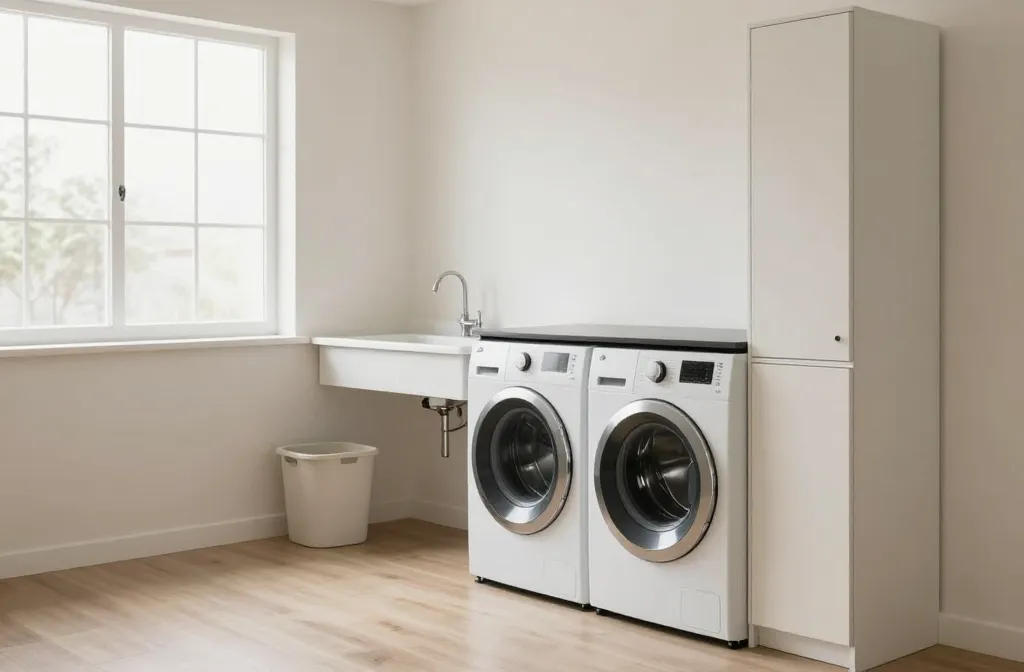
– Side-by-side machines often work well in a single wall run.
– Stacked units save floor space but can complicate ventilation and maintenance.
– A layout with a dedicated hamper sorting area reduces laundry drama.
Two popular layouts to consider
– Linear layout: Place washer, dryer, and sink in a straight line. This minimizes walking and makes utility hookups simple.
– L-shaped layout: If you’ve got a corner, an L-shape leaves room for a folding surface and a small cabinet run without feeling cramped.
Bonus tip: leave a small gap (about 1 inch) behind appliances for hoses and to prevent rust on metal fronts. Simple, but it saves headaches later.
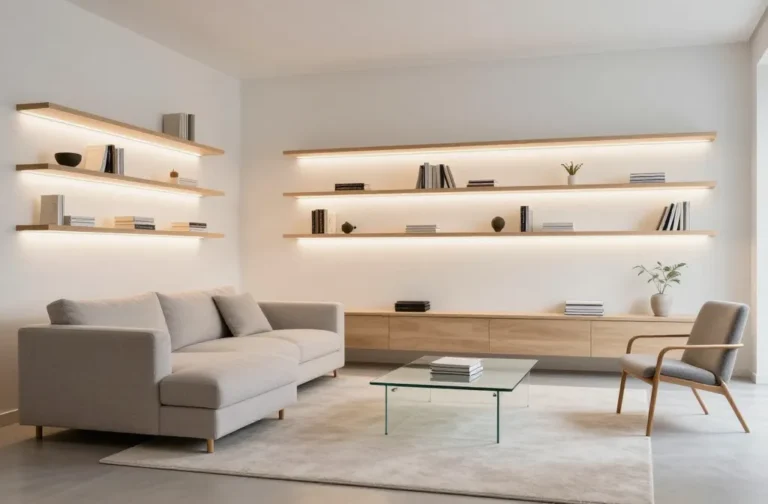
Storage: how big a room needs to be if you love shelving
Storage isn’t just for socks and detergent. It’s where your sanity lives between cycles. If you love organizing, you’ll want more wall space than you think.
– Pantry-style cabinets above the machines can store detergents, softeners, and stain removers.
– Open shelves keep essentials within arm’s reach and let you display cute baskets (FYI: they hide a multitude of sins).
– A tall broom/cleaning supply closet can be tucked into a corner or hallway into a small footprint.
Cabinet height and depth considerations
– Base cabinets should run at a comfortable standing height, typically 34–36 inches tall.
– If you’re short on vertical space, consider shallow-depth cabinets (12–15 inches) that still hold what you need.
– Floating shelves are great for vertical storage without sacrificing floor space.
Key takeaway: more storage often reduces the amount of clutter you see, which visually expands your space.
Working surfaces and task zones: folding, sorting, and stain-taming
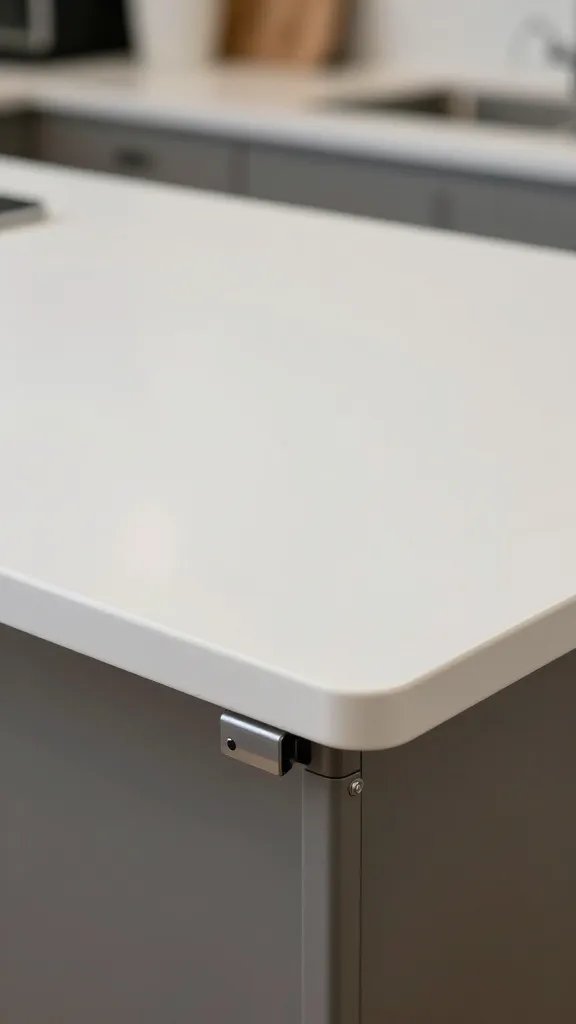
A room can feel huge when you have a solid folding and sorting setup. Don’t underestimate the power of a good counter and a dedicated staging area.
– Folding counter: aim for at least 18–24 inches of clear counter space.
– Sorting zone: a small, labeled bin for lights, darks, and delicates keeps piles under control.
– Sink or utility basin: a deep sink is gold for pretreating stains and soaking items.
If the room is your lab, you’ll appreciate zones that flow. People who do more than a couple loads a week benefit from a separate spot for damp items—think a small drying rack near the sink.
It minimizes dripping on the floor and speeds up air-drying.
Ventilation and moisture: why even a big room needs airflow
A big room can still feel damp if there’s no proper ventilation. Moisture robs paint, cabinets, and even fabrics of life.
Here’s how to keep the air fresh without turning the room into a wind tunnel.
– A vented exhaust fan is your best friend. Size it to the room; bigger is usually better if you’re in a humid climate.
– Consider a small dehumidifier if your space traps moisture, especially in basements.
– If you have a window, use it for quick air exchange on dry days—just don’t rely on it as your sole source of fresh air.
Tip: keep the lint trap clean and the vent line clear. A clogged vent is not just inefficient; it’s a fire hazard.
Mechanicals, utilities, and future-proofing: how big is “enough” for plumbing and electrical

A room’s size isn’t only about today’s needs; it’s about what you might want tomorrow.
If you’ve got a big family or you’re eyeing a fancy washer-dryer duo someday, plan for it.
– Water lines and drainage should be accessible with a little buffer for upgrades. If you plan to add a utility sink or a separate vanity, mark the plumbing runs now.
– Electrical: two 20-amp circuits minimum for a standard laundry pair; more if you’re adding a microwave, a dehumidifier, or a second fridge.
– Ventilation ducting routes should be clear of obstacles and accessible for cleaning.
If you’re renovating, it’s worth budgeting for a few upgrades down the line.
FYI: a little extra room makes future upgrades painless and less painful on your wallet.
What to do if you’re stuck with a tiny space
Small spaces can still feel big with the right moves. Here are your cheat codes:
– Go vertical: tall cabinets and wall-mounted drying racks maximize storage without stealing floor space.
– Use multi-purpose furniture: a folding table that doubles as a sink counter or a bench with hidden storage.
– Choose compact appliances: a compact washer or a compact dryer can save precious inches without sacrificing function.
– Hide the chaotic: baskets, bins, and labeled containers keep visual clutter to a minimum.
Conclusion
Big or small, the right laundry room size is the size that makes your chores feel less like a slog and more like a smooth, almost enjoyable routine.
It’s about flow, storage, and a pinch of clever thinking. Don’t chase a theater-sized room if your budget and footprint won’t support it.
Chase the vibe: efficient, organized, and, dare I say, a little delight each time you load the washer.
FAQ
How large should a laundry room be for a family of four?
Aim for at least 70–100 square feet if you can swing it.
More space means better sorting areas, folding space, and room for a secondary task like quick handwashing or stain treatment.
Is a stackable washer and dryer worth it in a small space?
Yes, in many cases. Stacked units save floor space and can fit in narrow widths.
Just make sure you have enough clearance for loading and unloading and easy access to controls and lint removal.
What is the minimum width for a functional laundry hallway?
A practical minimum is about 3 feet of clear width.
This gives you enough room to open doors, maneuver around, and access shelves without feeling boxed in.
How much counter space should I plan for folding?
Plan for at least 18–24 inches of clear counter space per person who uses the laundry regularly.
If you have a larger family or love a sprawling folding station, go bigger.
Do I really need a sink in the laundry room?
A utility sink is immensely helpful for pretreating stains, soaking delicate garments, and cleaning up after messy projects.
If you value convenience, it’s worth adding a small sink to the layout.