How to Hide Water Valves in Laundry Room Discreetly

Looking for ways to keep your laundry room looking clean and organized? One simple trick is to hide water valves in the laundry room.
Those exposed valves behind your washer can make the space feel cluttered and unfinished, but with a few clever ideas, you can tuck them out of sight without losing accessibility.
From stylish covers to built-in cabinets, these practical tips make your laundry area safer, neater, and more visually appealing.
Even small laundry rooms can feel polished and functional when hidden valves reduce visual distractions.
Why hiding laundry valves matters (and when not to)
Hiding valves isn’t just about looks. It can protect them from bumps, keep kids and pets safe, and free up space for shelves or hooks.
But there are limits—your plumbing still needs easy access for maintenance and emergencies.
Yes, you want it neat, but you don’t want a mystery box of valves that nobody can reach in a pinch.
Low-impact concealment ideas that actually work
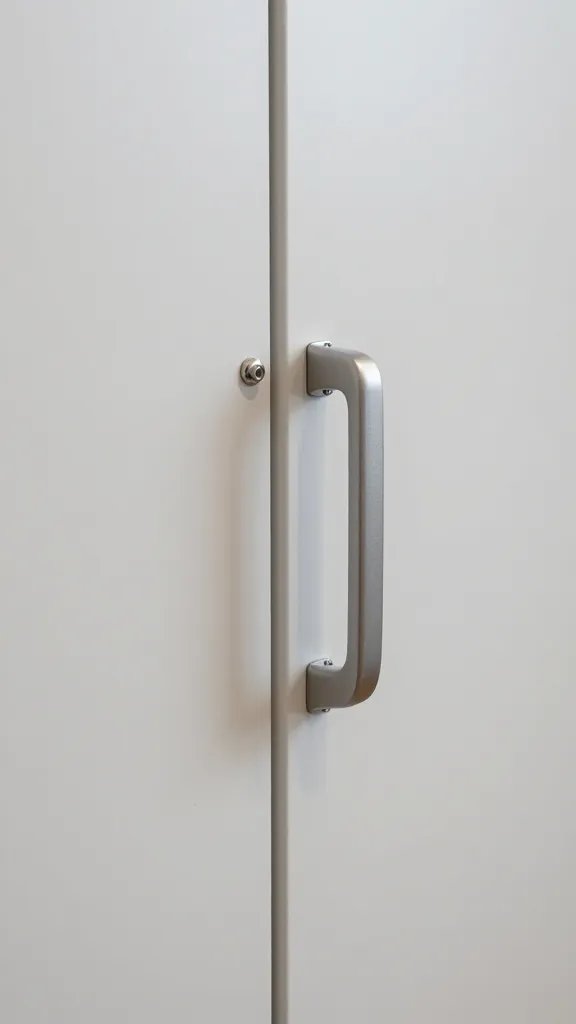
If you want to hide valves without resorting to a heavy cabinet project, these ideas keep things simple and reversible.
- Valves behind a shallow cabinet door: Install a slim door or hinged panel that blends with the wall. It hides the hardware but stays accessible.
- Decorative screens or shutters: A small lattice or flat screen lets air flow and hides the hardware without blocking maintenance access.
- Paint and trim tricks: Paint the hardware to match the wall color and add a trim strip to create a built-in look. Subtle, but effective.
- Box with a removable panel: Build a shallow box with a removable panel for quick valve access during inspections or repairs.
- Hidden panels in a laundry cabinet: If you already have cabinetry, install a discreet pull-out panel behind the doors that reveals the valves only when needed.
Safety and access caveats
Access isn’t optional. Make sure you can reach shutoff valves quickly if there’s a leak.
Even if you hide them, include a clear indicator or a simple, labeled pull tab so you don’t play hide-and-seek with a flood.
DIY concealment: step-by-step approach
Here’s a practical path if you want to tackle hiding your valves yourself, without turning your laundry room into a construction site.
- Assess the layout: Note where the valves sit, how much clearance you have, and what you’d like to hide. Create a simple map on paper.
- Choose your concealment method: Door panel, decorative screen, or a built-in box. Pick something that matches your space and skill level.
- Plan access points: Mark where you’ll need access knobs or removable panels. Label them so you can find them in a hurry.
- Cut and install: If you’re adding a panel, cut to size, install hinges or attachment hardware, and test opening and closing smoothly.
- Finish and seal: Paint or stain to match the room, and seal edges to prevent dust from sneaking in.
Tools and materials checklist
– Measuring tape, level, and pencil
– Hinges or magnetic catch (for doors)
– Lightweight plywood or MDF for panels
– Paint or wood finish to match the room
– Screws, anchors, and a drill
– Optional: decorative screen or lattice panel
Making it look intentional, not like a hasty fix
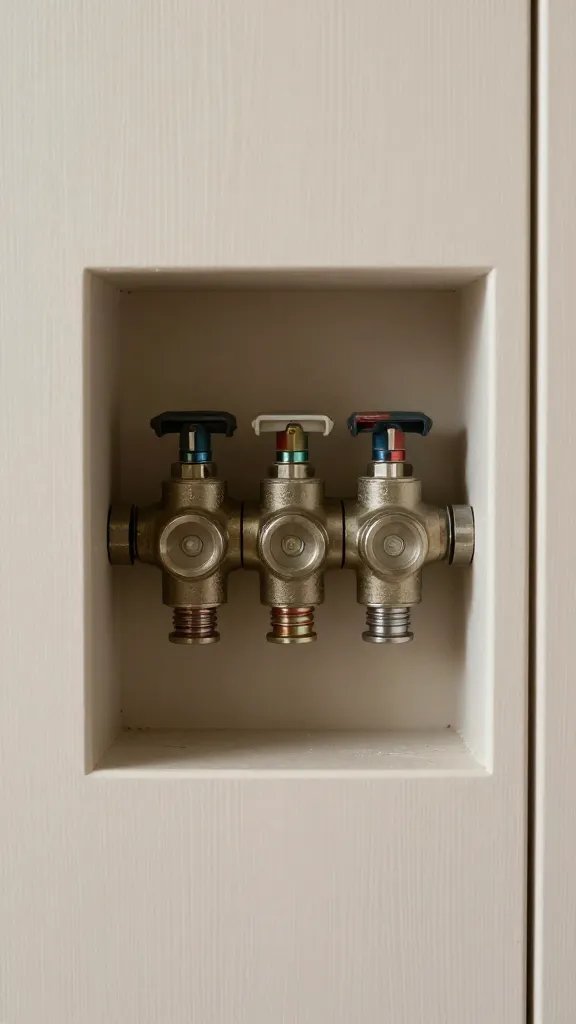
You want a tucked-away look that feels deliberate, not like a last-minute cover-up.
- Match hardware finishes: If your faucet handles are brushed nickel, pick a matching hinge or panel hardware.
- Use consistent color palettes: A wall color that blends with the panel or cabinet makes the concealment feel seamless.
- Add a little texture: A beadboard panel or slim crown molding adds depth and makes it look designed, not slapped on.
When to call in a pro
If your plumbing is awkwardly located, or you’re dealing with metal pipes that require delicate handling, a licensed plumber or a carpenter can spare you a lot of head-scratching.
It’s worth it for peace of mind and to avoid leaks from a DIY misstep.
Integrated storage ideas that hide and help you organize
Why hide valves and still keep the room functional? Because clever storage makes life easier.
- Floating shelves above the valves: Keeps the space above clear while giving you a spot for detergents and stain removers.
- Pull-out organizers inside a cabinet: A slim cabinet with pull-out baskets can hold hoses, nozzles, and tools, keeping them off the floor.
- Pegboard or magnetic tool strip: Hang wrenches, pliers, and small fittings near the washing area for quick access.
Maintenance perks: keeping valves safe and visible when needed
Hidden doesn’t have to mean forgotten. Here are some easy habits to keep valves in good shape and reachable.
- Create a quick-access backup plan: A small, labeled “emergency kit” in the laundry cabinet with a flashlight, wrench, and spare valve handle.
- Schedule seasonal checks: Quick once-over every few months to ensure no leaks or corrosion on the fittings.
- Document the layout: A simple drawing or photo on your phone helps if you’re away and someone else needs to shut off water fast.
Common mistakes to avoid
We’ve all seen the DIY fails that make you sigh. Don’t fall into these traps.
- Blocking access: Hiding panels too snugly or placing a cabinet door that’s hard to open defeats the purpose.
- Using improper materials: Cheap plywood that swells with humidity can warp and reveal the valves.
- Ignoring water pressure considerations: If you’re relocating or altering lines, ensure pressure and flow remain safe for the washer and any downstream fixtures.
Conclusion
Hiding laundry valves is less about pretending they don’t exist and more about creating a space that’s tidy, safe, and practical.
With a little planning, you can achieve a clean look that still allows fast access when you actually need it.
So pick a method you like, keep the basics accessible, and don’t be afraid to add a dash of personality to the design. IMO, a well-hidden valve is a win-win.
FAQ
Is it legal to cover laundry valves behind a panel?
Yes, it’s generally fine as long as you maintain clear access and shutoff points.
Local codes vary, so quick checks with a local pro or building department are smart if you’re making structural changes.
How do I ensure emergency access if there’s a leak?
Label shutoff locations clearly, keep a basic tool kit handy, and design your concealment with a small, easily removable panel.
That way you can reach the valve fast without tearing apart the room.
What materials work best for a hidden panel?
Lightweight plywood, MDF, or a thin cabinet door with a magnetic catch works well. Match the finish to your walls or cabinets to keep things cohesive.
Can I hide valves in a laundry room that already has cabinets?
Absolutely. Install a removable panel or a shallow box behind an existing cabinet door, or add a slim decorative screen to mask the hardware while preserving access.
How much does it typically cost to hide laundry valves?
Costs vary by approach. Simple panels or screens can be DIY for under a hundred bucks, while a built-in cabinet solution might run a few hundred.
If you hire a pro, factor in labor plus materials.