How to Make a Small Bedroom Look Bigger (Easy Design Tricks)
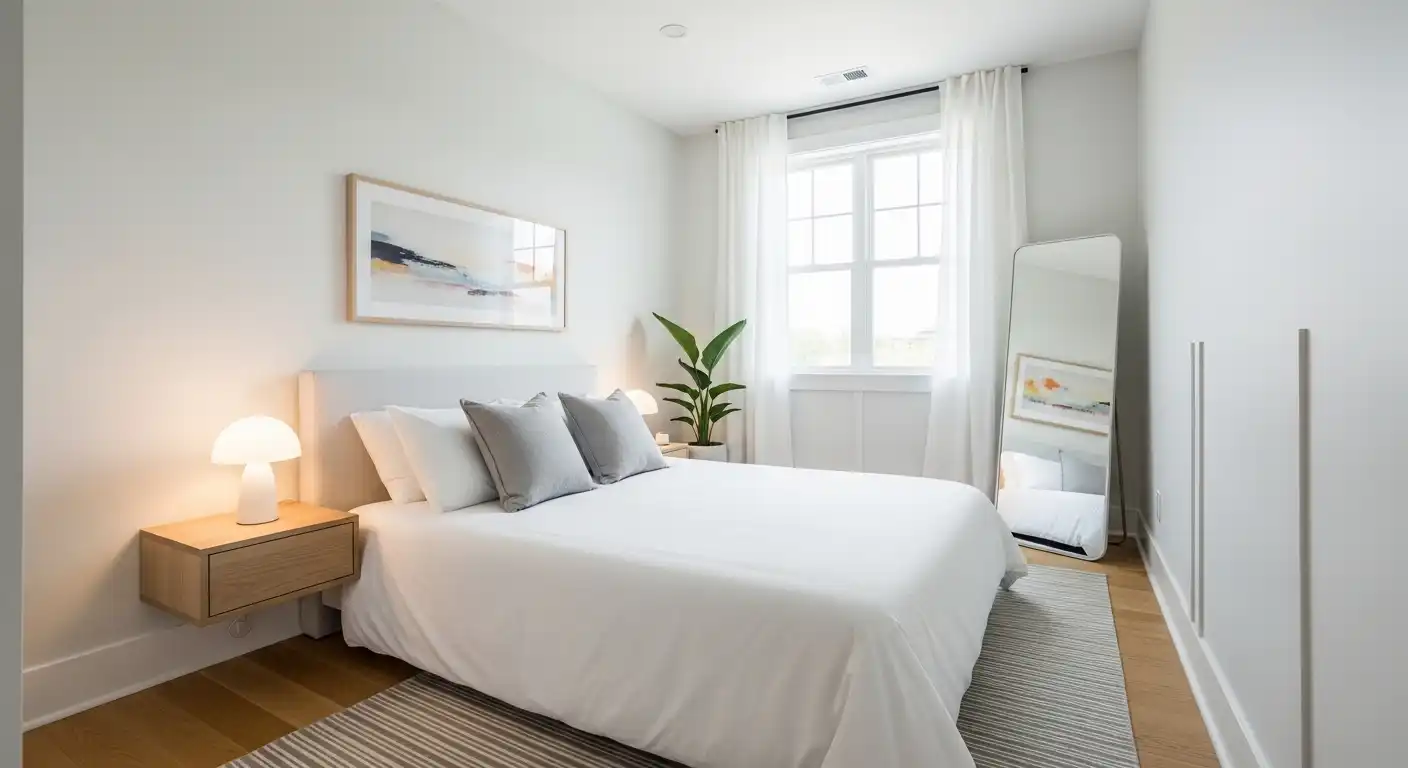
Struggling with a cramped bedroom that feels too small for comfort? These clever tricks for how to make a small bedroom look bigger will instantly open up your space.
From arranging furniture smartly to choosing the right colors, you can transform even the tiniest bedroom into a bright and airy retreat.
I still remember walking into my childhood friend’s tiny bedroom and being amazed at how spacious it felt, even though it was smaller than mine.
She had no magic wand—just smart design choices. A simple color palette, mirrors placed strategically, and furniture that fit perfectly made her small bedroom look far bigger than it actually was. I realized then that size doesn’t matter as much as how you use the space.
When I moved into my first apartment, I faced the same problem: a small bedroom that felt boxed in and overwhelming.
Over time, I tried different methods—clever storage, multi-purpose furniture, and even painting tricks—to make the room feel open and airy.
Now, I’m excited to share all these tested techniques to help you make a small bedroom look bigger.
You’ll discover easy ways to maximize your space, enhance comfort, and even bring in a touch of style, all without feeling cramped or cluttered.
By the end, your bedroom will feel like a peaceful, roomy retreat you’ll love spending time in.
Why Small Bedrooms Often Feel Claustrophobic
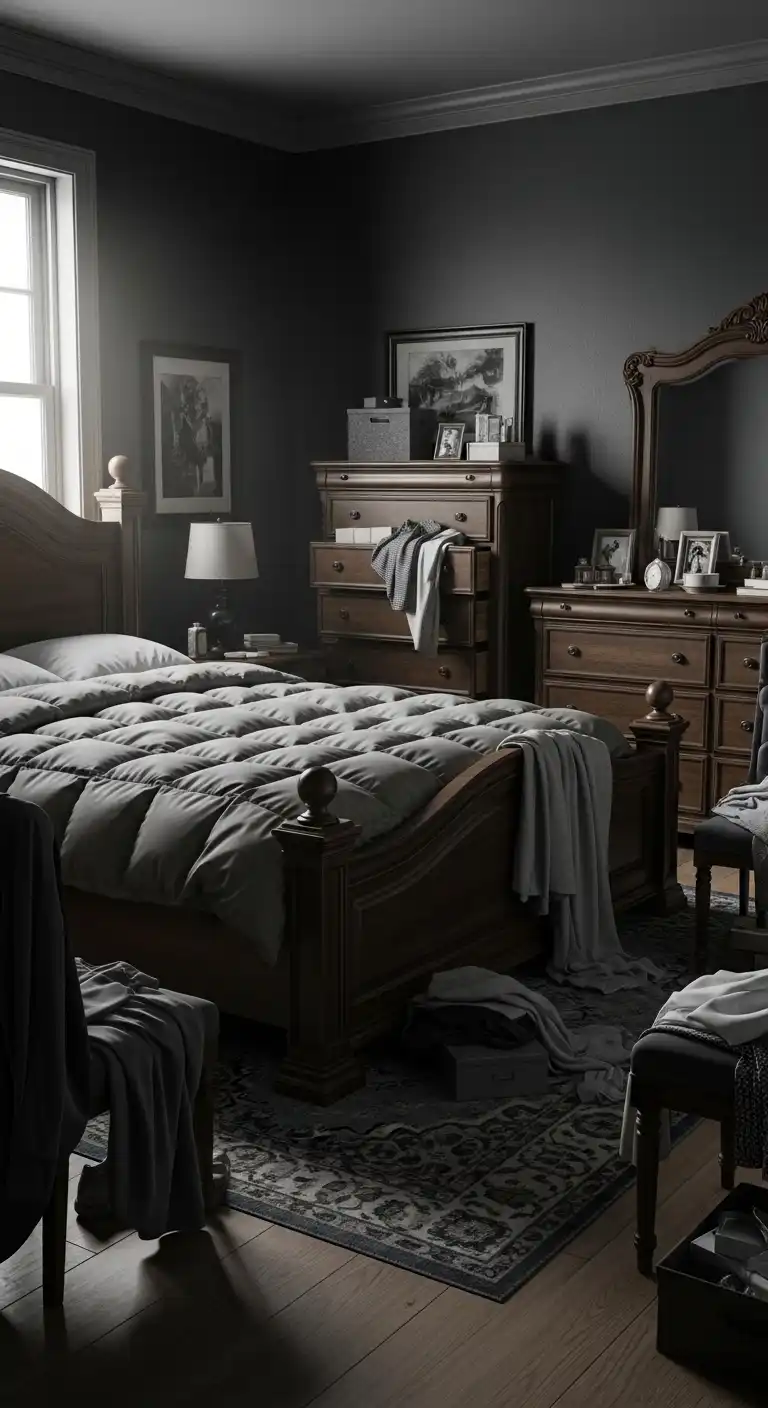
Small bedrooms often feel overwhelming because of poor layout, clutter, or dark color schemes.
Bulky furniture that doesn’t fit the scale of the room can make it feel crowded and closed-in.
Many small spaces also lack sufficient lighting, which reduces the perceived size and creates shadows that shrink the room visually.
Even minimal clutter on the floor or surfaces can make a room feel smaller than it actually is.
Another factor is the placement of furniture; blocking natural light from windows or overloading walls with heavy décor can intensify a cramped feeling.
Understanding these challenges helps you apply design tricks purposefully to transform a small bedroom into a visually open, airy space.
The Science Behind Making Small Spaces Appear Larger
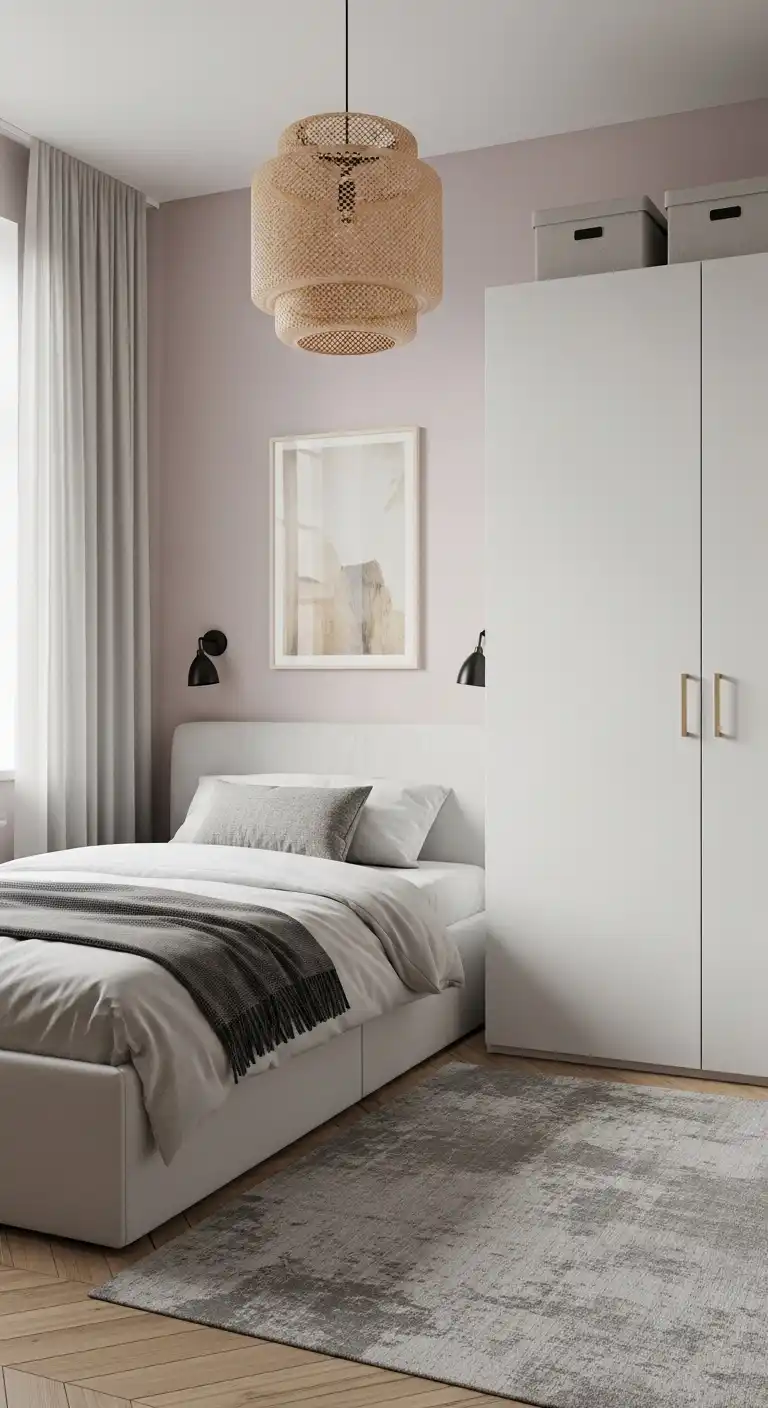
Design principles can significantly change how spacious a small bedroom feels.
Using proportion and scale correctly ensures furniture doesn’t overpower the room while keeping visual balance intact.
Colors also play a key role; soft, light hues reflect light and create the illusion of openness.
Minimalism is another powerful principle, as reducing clutter gives the eye more room to travel and perceive space.
Mirrors and reflective surfaces trick the eye by adding depth and doubling the visual area of the room.
Strategically combining these design strategies is a proven way to achieve how to make a small bedroom look bigger effectively without structural changes.
Use Light Colors to Open Up the Space
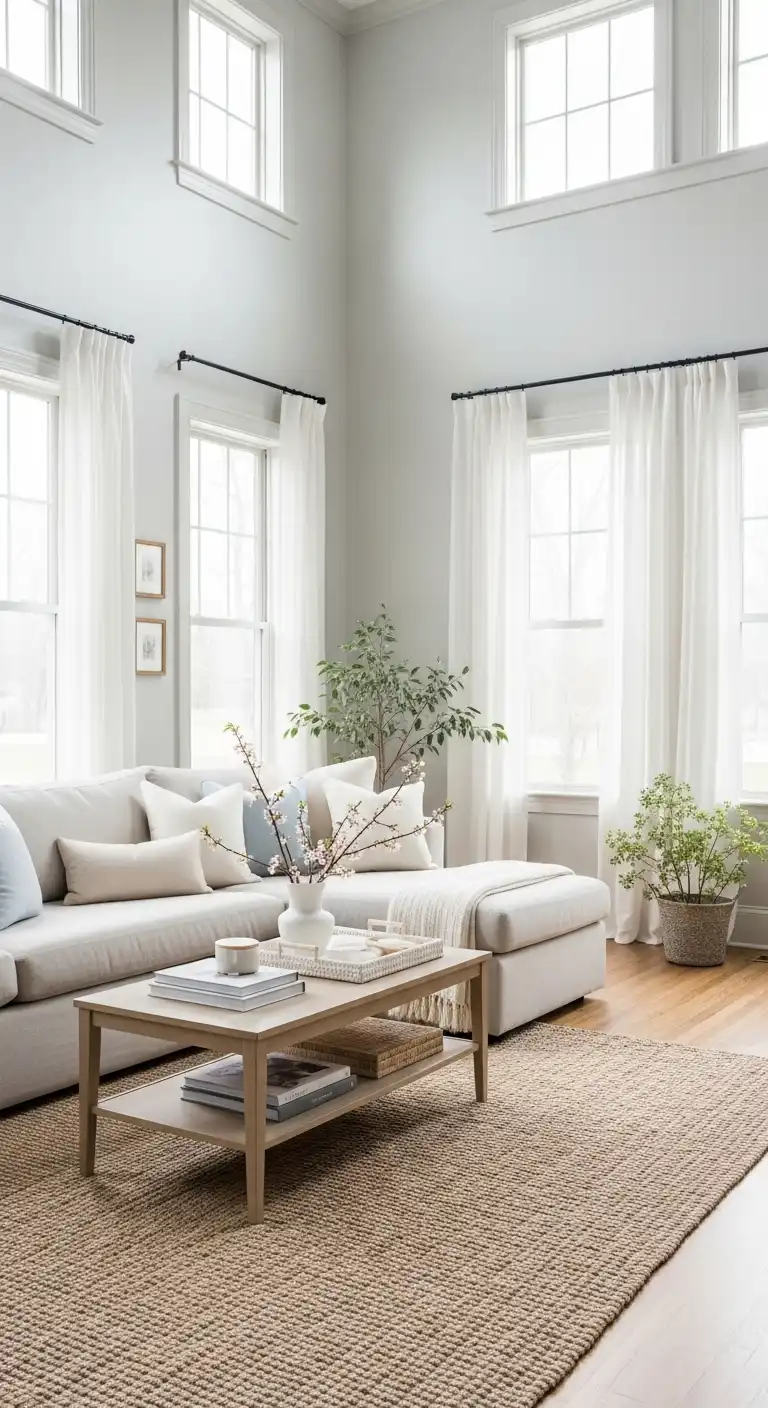
Soft, neutral colors instantly make a room feel larger and more inviting.
Paint walls in shades like pale gray, soft beige, or pastel tones to brighten the room naturally.
Even the ceiling matters; painting it a slightly lighter shade than the walls creates a sense of height.
Bedding and furniture in matching light tones help unify the space visually, eliminating harsh contrasts that make rooms feel cramped.
Accent pieces such as cushions or small décor items can introduce color without overpowering the open feel.
By carefully selecting a harmonious color palette, even the smallest bedroom can feel airy, fresh, and much more spacious than before.
Maximize Natural Light for a More Airy Feel
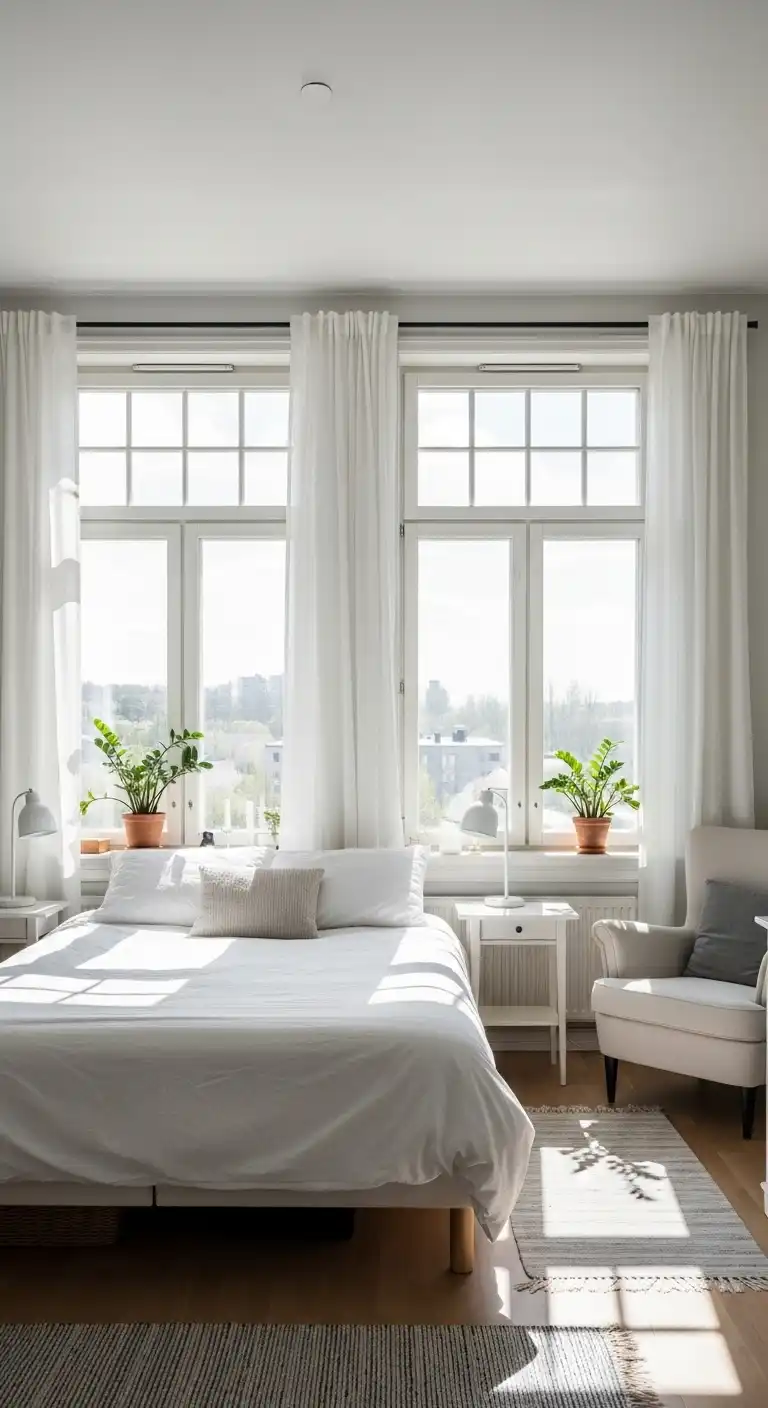
Natural light has an immediate impact on how spacious a bedroom feels.
Position your bed and furniture to avoid blocking windows and allow sunlight to fill the room.
Choose sheer curtains or blinds instead of heavy drapes to maintain brightness and a sense of openness.
Reflective surfaces like light-colored furniture or metallic accents amplify sunlight, further enhancing the room’s perceived size.
Even small adjustments, such as trimming tree branches outside windows or rearranging objects on a windowsill, can improve light distribution.
Using natural light strategically is a budget-friendly trick that instantly makes a small bedroom feel larger and more comfortable.
Mirrors and Reflective Surfaces for Instant Depth
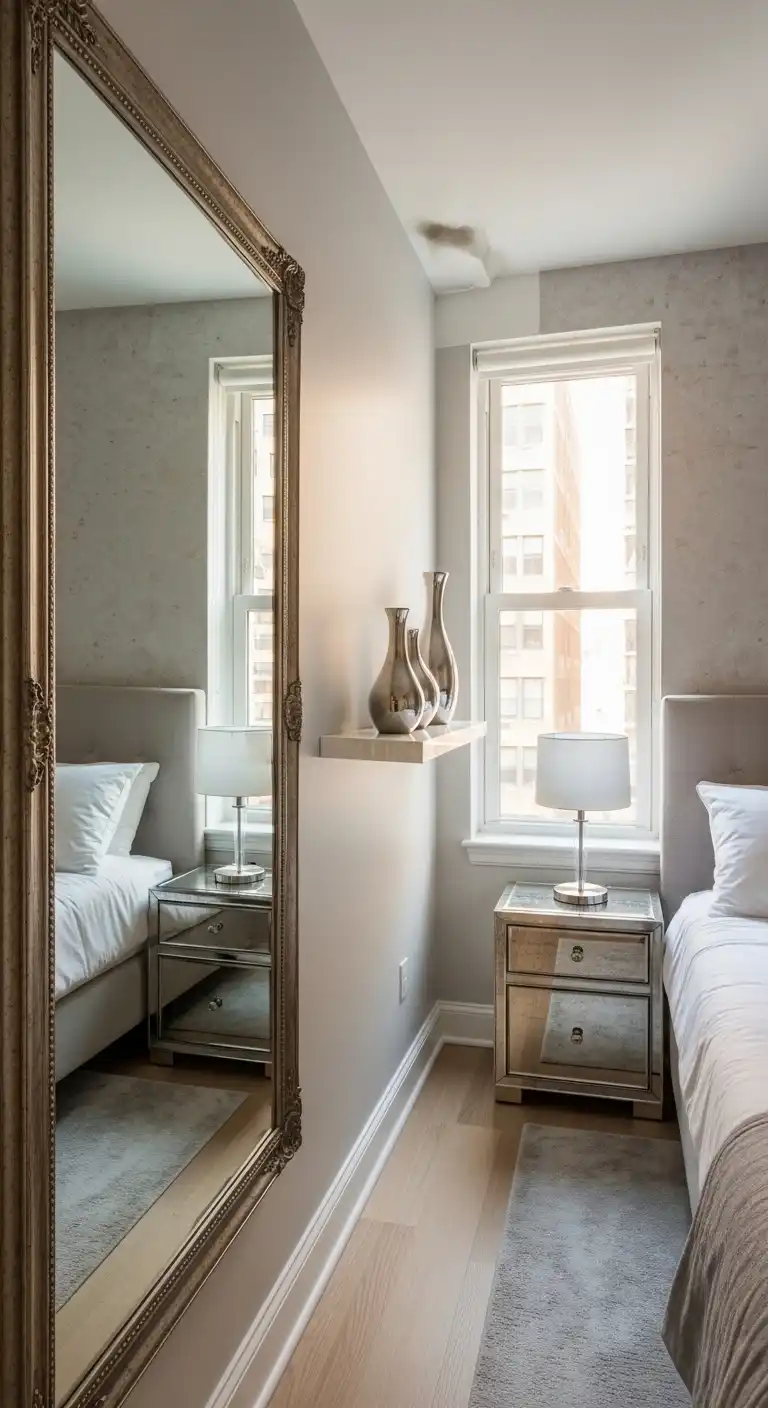
Mirrors are one of the easiest ways to create a sense of depth in a small bedroom.
Placing a large mirror on a wall opposite the window reflects natural light, making the room feel brighter and more spacious instantly.
You can also incorporate mirrored furniture, such as dressers or bedside tables, which subtly expand the visual space without overwhelming the design.
Glass or metallic décor accents, like lamps or picture frames, further enhance the perception of openness by bouncing light around the room.
For an added effect, consider a mirrored wardrobe door or floor-length mirror, which doubles the visual area and creates an elegant, airy feel.
By strategically using mirrors and reflective surfaces, even a tiny bedroom can feel much larger and more inviting.
Smart Furniture Choices to Free Up Floor Space
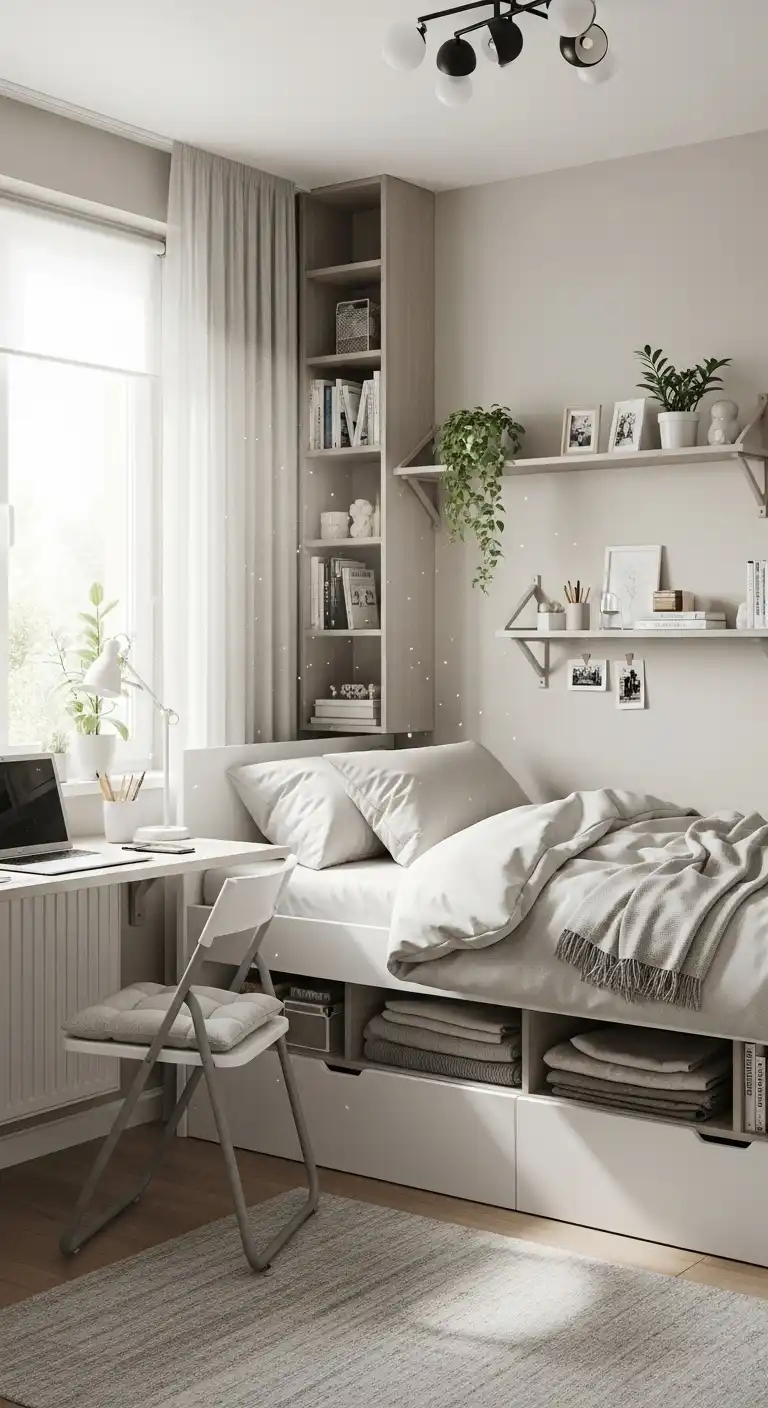
Choosing the right furniture is crucial to make a small bedroom feel uncluttered and airy.
Multipurpose pieces, like a bed with under-storage drawers, can eliminate the need for extra dressers while keeping essentials organized.
Floating shelves on the walls provide storage without occupying floor space, helping the room appear larger.
Compact or minimalist desks, nightstands, and chairs maintain function without overwhelming the room.
Even furniture placement matters; leaving walking paths clear and arranging pieces against walls opens up visual flow and maximizes usable space.
By carefully selecting and arranging furniture, you can dramatically enhance the room’s feel while staying within a modest budget.
Declutter and Organize for a Minimalist Vibe
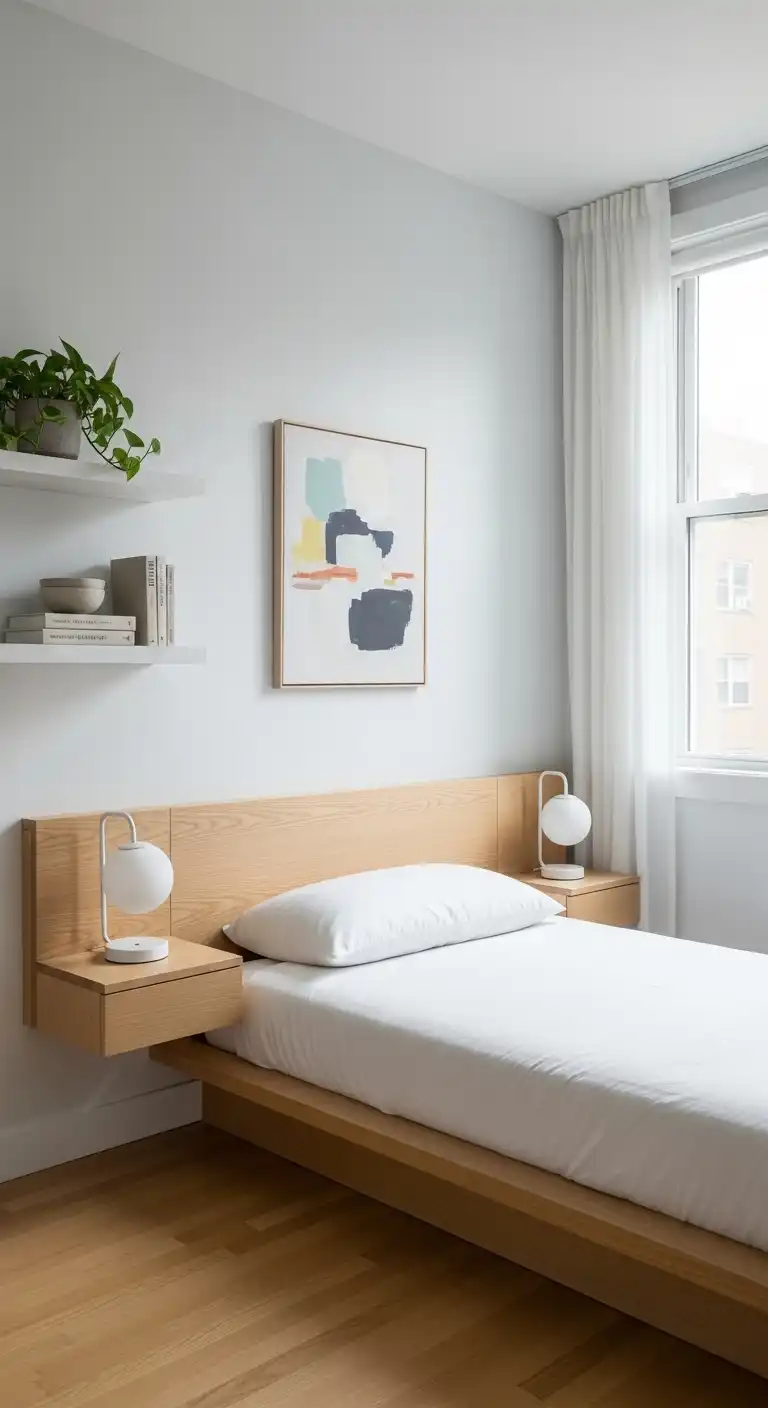
Clutter immediately makes a small bedroom feel cramped and chaotic.
Start by sorting items into essentials and extras, removing anything unnecessary from sight.
Organize storage efficiently with baskets, drawer dividers, or under-bed containers to keep the room tidy and functional.
Minimalism extends to décor; a few carefully chosen art pieces or décor items are more effective than overcrowding walls and surfaces.
A clean, organized room allows the eye to move freely, creating the illusion of spaciousness.
When combined with other design tricks like light colors and mirrors, decluttering becomes a powerful tool to transform a small bedroom into an airy, calm retreat.
Vertical Lines and Wall Accents to Add Height
Vertical design elements draw the eye upward, making the ceiling appear taller than it really is.
Tall headboards, vertical stripes on walls, and high shelving units emphasize height and elongate the room visually.
Curtains hung close to the ceiling instead of just above the window frame create a continuous vertical flow.
Even artwork and mirrors positioned higher on the walls contribute to the perception of greater space.
By introducing vertical lines and accents, you can make a compact bedroom feel less confined and more architecturally open without structural changes.
Lighting Layers That Expand Small Bedrooms
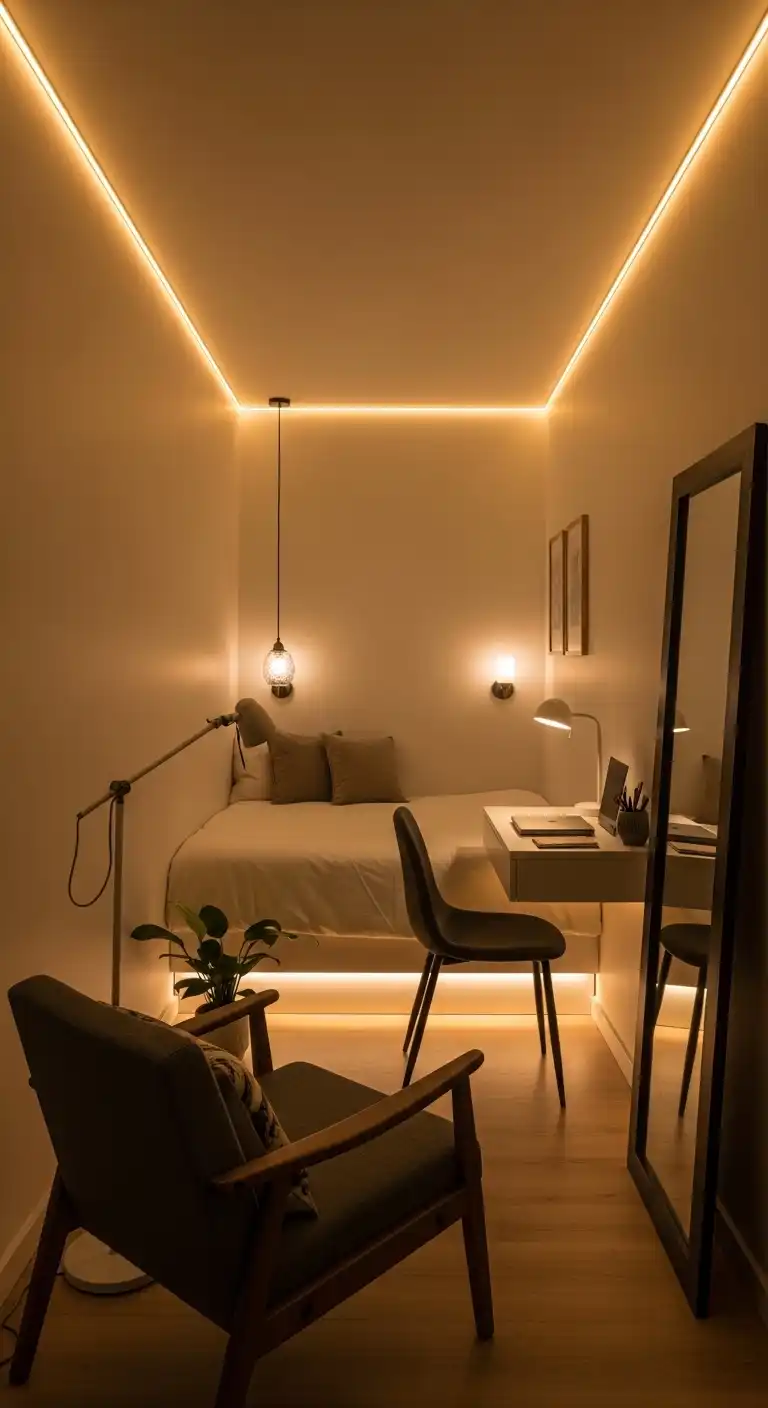
Layered lighting enhances depth and dimension, making a small bedroom appear larger and more inviting.
Combine ambient lighting, like ceiling fixtures, with task lighting for reading, and accent lighting to highlight décor.
Wall sconces or LED strip lights can free up floor space while adding soft illumination.
Using dimmable lights allows you to adjust brightness for different moods, which enhances comfort and visual space simultaneously.
Even inexpensive lighting options, when combined strategically, significantly impact the room’s perceived size, making it feel open, airy, and relaxing.
Using Rugs and Flooring to Define Space
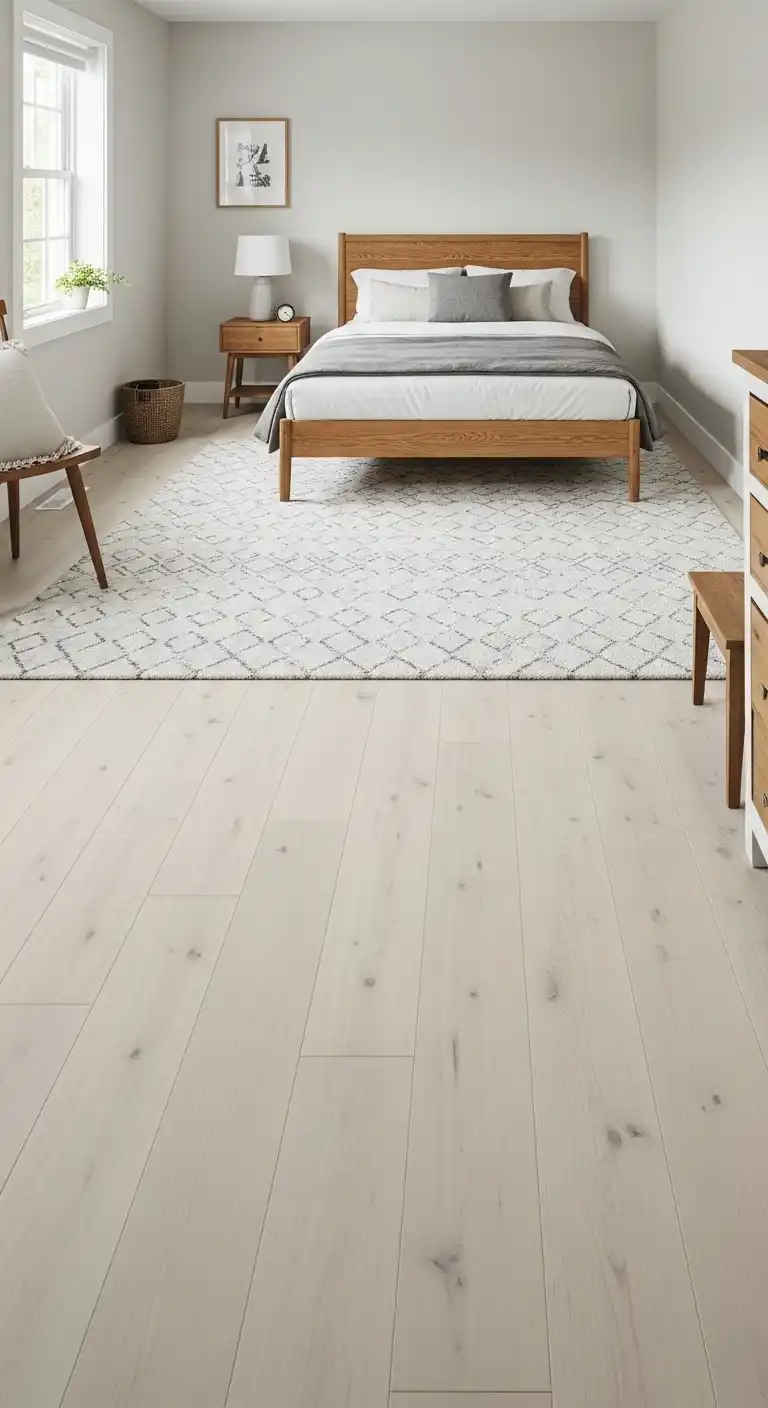
Strategically choosing rugs and flooring can help make a small bedroom feel more open and organized.
Light-colored or neutral flooring creates a continuous visual flow, preventing the room from feeling divided or cramped.
Placing a medium-sized rug under the bed defines the sleeping area while leaving enough exposed floor to give a sense of spaciousness.
Diagonal patterns or subtly textured rugs can draw the eye across the room, giving the illusion of added depth.
If your budget allows, consider floating or laminate flooring that matches the walls for a cohesive look that visually expands the space.
Even simple and affordable adjustments in flooring can dramatically enhance how large your bedroom feels.
Additional Tips for Small Bedroom Design
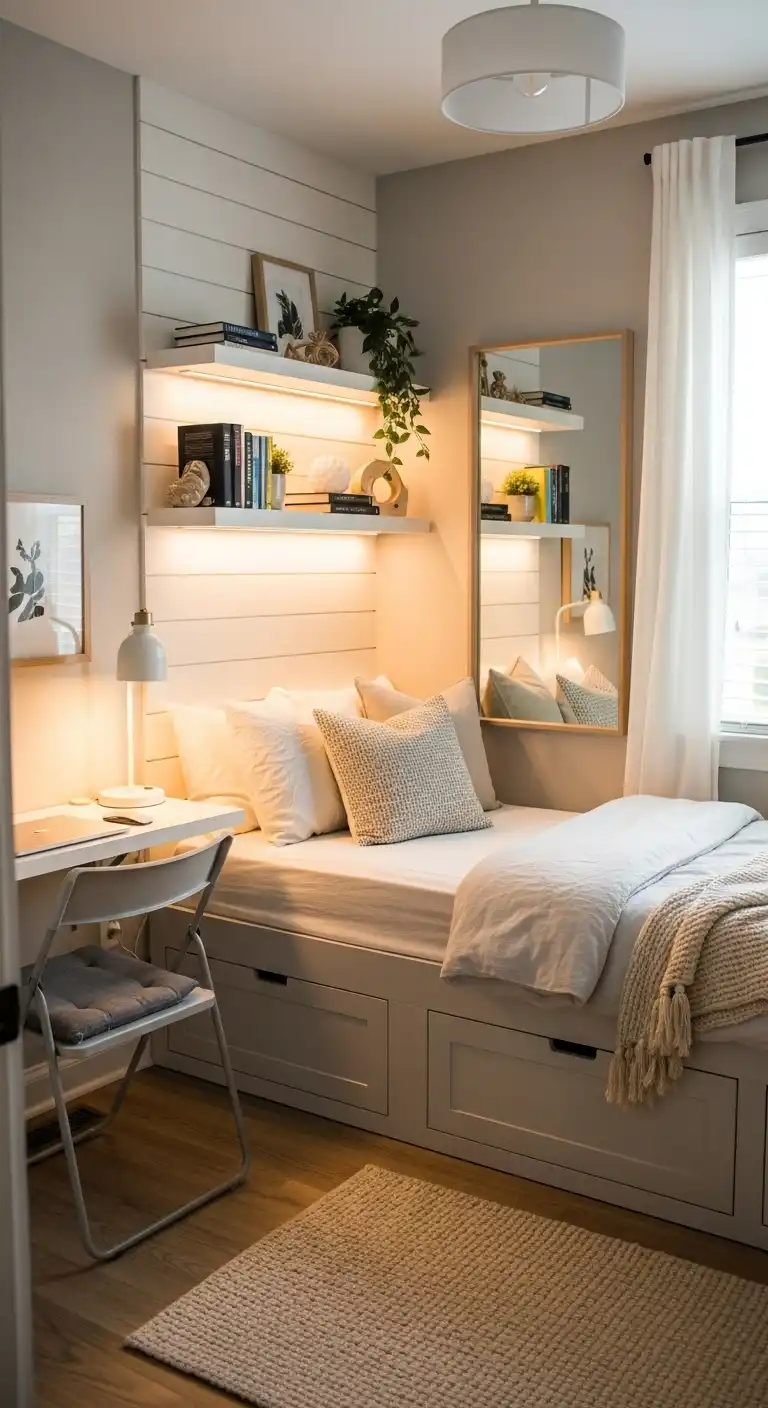
Layering textiles like lightweight bedding, throws, and curtains adds texture without crowding the room.
Keeping furniture proportionate to the room size ensures you don’t overwhelm the space visually.
Open shelving or glass furniture maintains functionality while letting light flow freely.
Small décor items, like plants or mirrors, draw attention strategically to create points of interest rather than cluttering the area.
Combining multiple small design adjustments produces a noticeable impact, making your bedroom appear significantly larger and more inviting.
Final Wrap-Up
Transforming a small bedroom into a spacious, stylish retreat doesn’t require a massive budget or a complete remodel.
Using soft, light colors, mirrors, and natural light creates an immediate sense of openness and brightness.
Smart furniture choices, vertical accents, and decluttering further enhance the room’s perceived size, providing both function and comfort.
Layered lighting, rugs, and carefully chosen décor tie all these strategies together, making the bedroom feel cohesive and airy.
By following these tips, you can effortlessly achieve how to make a small bedroom look bigger, turning even the tiniest space into a relaxing and modern haven.
Small adjustments, careful planning, and creativity can completely change how your bedroom feels without breaking the bank.