Why Does My Laundry Room Smell Like Sewage and How to Fix It
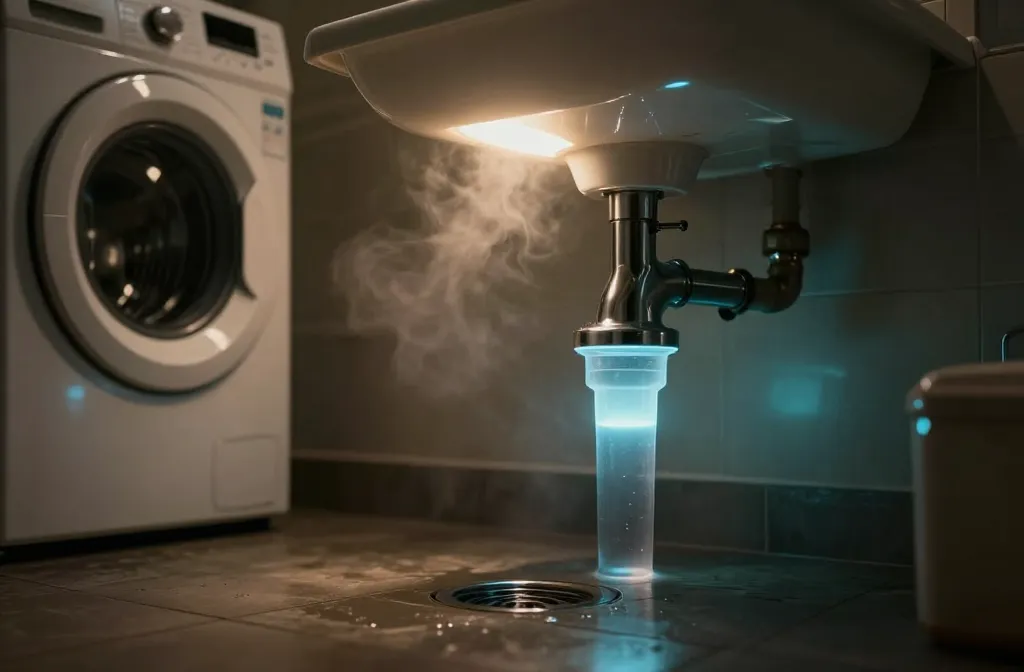
Tired of walking into a laundry room that smells less than fresh? In this post, we’ve curated simple solutions to banish odors and keep your laundry space smelling clean.
Never let lingering scents ruin your chores! With these easy tips, you can make your laundry room both fresh and inviting.
Looking for ways to prevent musty smells from towels or damp clothes? These curated ideas will help you tackle the problem at the source.
Even small laundry spaces can feel airy and pleasant when you know the right tricks.
Discover how to transform your laundry room into a fresh-smelling space you’ll actually enjoy spending time in!
What you’re smelling and why it’s not “just laundry funk”
– A laundry room is a mini plumbing hub. It houses drainage traps, vent pipes, and the washing machine’s discharge hose. When any one of those elements goes sideways, the smell travels fast.
– The most common culprits are mildew, dirty drains, and sewer gas slipping past a dry trap. Yep, even something as simple as a dry P-trap can let in nasty odors.
– FYI: sewage smells aren’t just gross, they can indicate improper venting or a leak. Don’t ignore a persistent odor—address it before it becomes a bigger problem.
First things first: assess the evidence
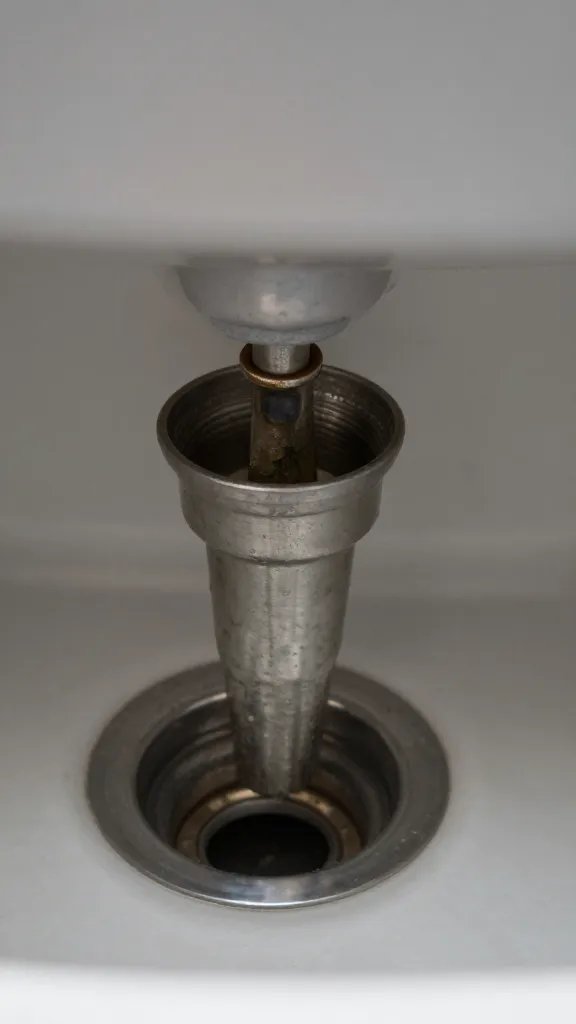
– Do a sniff test with a purpose. Stand by the washer, the sink, and the drain in the floor or utility tub (if you have one). Do you notice the smell strongest near a particular fixture?
– Check the trap. If you can access it, pour a small amount of water into any floor drain or utility sink trap. If the odor fades and then returns, you’ve got a dry trap or a slow drain issue.
– Look for obvious moldy corners, dampness, or standing water. These are red flags that moisture is hanging out, inviting growth and stink.
Trap it right: traps, vents, and why a dry P-trap is a villain
– Traps hold water to keep sewer gases from sneaking back into your living space. If a trap dries out, gases can rise up and chorus with your laundry load.
– Vents are the escape hatches for sewer gases. If the vent is blocked or improperly installed, odors can back up into the room.
– Quick fix checklist:
- Pour about a quart of water into floor drains or any dry-looking traps.
- Run the washing machine to see if odors persist after the cycle ends.
- Inspect the vent pipe from the roof if you’re comfortable or call a pro for a vent check.
– If the smell lingers after rehydrating traps, you might have a slow drain or buildup. That’s when you go deeper.
Drain troubles: buildup, backups, and the weird funnel of doom
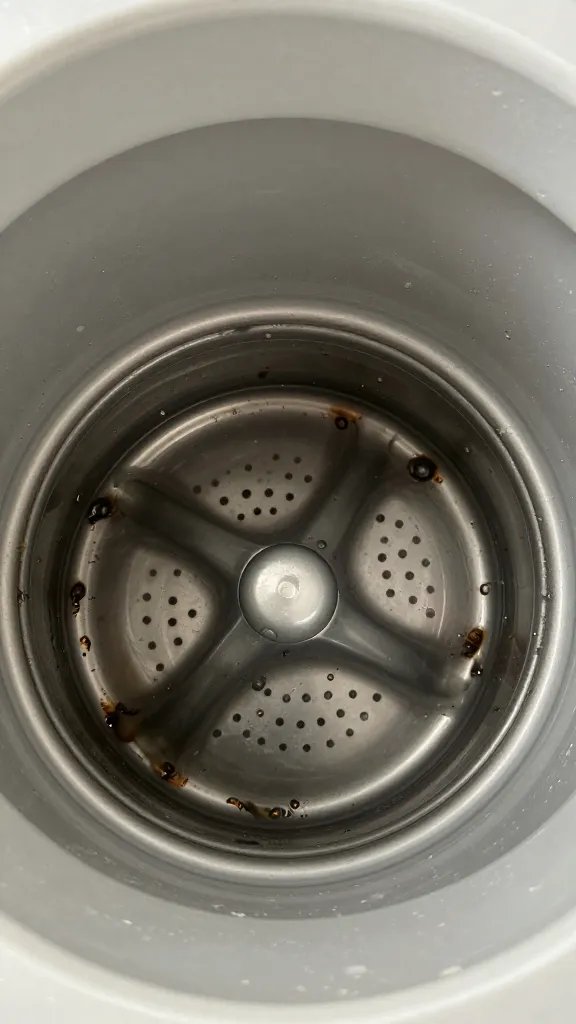
– Drains collect soap scum, hair, and grime over time. That buildup can trap odors and create a sinkhole of stank.
– A blocked or slow drain can cause water to back up into traps, making the stink linger.
– Deep dive steps:
- Use a plunger on floor drains if you have one. A few good pumps can dislodge gunk.
- Run a drain cleaner designed for septic-safe use, but don’t overdo it. A single treatment is usually enough to loosen gunk without harming pipes.
- Pour a mixture of baking soda and vinegar down the drain, followed by hot water. Let it fizz and neutralize, then flush with water.
– If you’re dealing with a septic system, be extra careful with cleaners and consider calling a pro if backups happen.
Machine habits: laundry loads, detergents, and how they influence smells
– Detergent residues can cling to clothes and the drum, especially if you overstuff the washer or use too much soap. Residue = damp, smelly fabric that acts like a greenhouse for bacteria.
– Fabric softeners and certain detergents can leave layers of residue that trap moisture and odor.
– Smart habits:
- Run a hot water rinse cycle once a month with no clothes to flush the drum and hoses.
- Use the recommended amount of detergent for your load size and water hardness.
- Leave the washer door or lid open after cycles to promote drying
– Clean the rubber door seal (gasket) and the detergent drawer regularly. Mold loves a rubbery hiding place.
Deeper dive: freshening a front-loader without drama
– Front-load washers are notorious for moldy seals. Here’s a quick routine:
– Wipe the gasket with a solution of equal parts water and white vinegar weekly.
– Run an empty hot wash with a cup of white vinegar every month to kill buildup inside the drum and hoses.
– Consider a specialized washing machine cleaner every few months for a more aggressive purge.
– If you’re still smelling something funky, you might have a siphoning issue in the drain hose. Ensure the drain hose loops up above the water level to prevent backflow.
Humidity, damp corners, and the overall smell profile
– Laundry rooms are often cramped and poorly ventilated. Moisture loves to linger in corners, behind machines, and under shelves.
– Poor air exchange makes odors feel heavier and more persistent. If the room stays damp, you’ll keep smelling damp.
– Quick fixes:
– Install or upgrade an exhaust fan. Run it during and after laundry cycles to pull moisture out.
– Use a dehumidifier in humid climates or seasons. Set it to a comfortable relative humidity around 40-50%.
– Check for leaks around pipes and the washing machine supply lines. Fix any drips to reduce ongoing moisture.
When you should call in a pro: signs that you’re beyond DIY
– Persistent sewer smell after trying all the above fixes plus a thorough cleaning. If the odor persists, you could have a leak in the main sewer line or a damaged vent.
Those issues require a professional with proper cameras and diagnostic tools.
– You notice wet spots that aren’t explained by plumbing or HVAC activity. Could be a hidden leak.
– The smell is accompanied by gurgling drains, slow drainage, or sewage backups in sinks or toilets. Immediate professional attention is wise.
Preventive habits: keep the stink from returning
– Establish a simple cleaning cycle for the laundry room:
– Monthly: flush traps with water, clean seals, and run an empty hot wash with a cleaner.
– Quarterly: inspect hoses for wear, check the vent, and clean the floor drain trap.
– Maintain proper airflow and moisture control. A dry room is a happy room.
– Use mesh lint filters on floor drains if you have them. They reduce hair buildup that can trap odors.
Conclusion
Bad smells in your laundry room are rarely a mystery you’ll never solve.
They usually come down to a dry trap, a slow drain, a damp corner, or a combination of the above.
With a little poking, pouring, and cleaning, you can reclaim fresh air and keep your laundry routine from turning into a sniff test every time you walk in.
You’ve got this—no magical hacks required, just a few practical steps.
FAQ
Why does a dry P-trap cause a sewage smell?
A dry P-trap loses its water seal, which normally blocks sewer gases.
When the trap dries out, gases can escape into the laundry room, creating that gross odor.
Rehydrate the trap with a quart of water and monitor for odors over time.
What’s the easiest way to kick odors from a laundry drain?
First, pour water into any dry-looking floor drains to re-create the water seal.
Then flush the drain with hot water or a gentle cleaner designed for household drains.
A baking soda and vinegar combo can help, but don’t overdo it—follow up with plenty of hot water.
How can I tell if the smell is from mold or mildew?
Mold smells musty and damp, often tied to visible spots on walls or the gasket. Look for dark spots and a fuzzy texture.
Clean affected areas with a mild bleach solution or a mildew cleaner, and improve ventilation to prevent recurrence.
When should I call a professional for sewer gas smells?
If you’ve rehydrated traps, cleaned drains, improved ventilation, and the odor still lingers, you may have a vent blockage, sewer line issue, or a leak.
A licensed plumber can diagnose with camera inspection and vent checks.
Can laundry detergents really cause smells?
Yes. Excess detergent can leave residue on clothes and in the washer, creating a damp, musty odor.
Use the right amount for your load and run an empty hot cycle with cleaner periodically to purge buildup.