
Why Does My Laundry Room Smell Like Rotten Eggs? Fixes That Actually Work
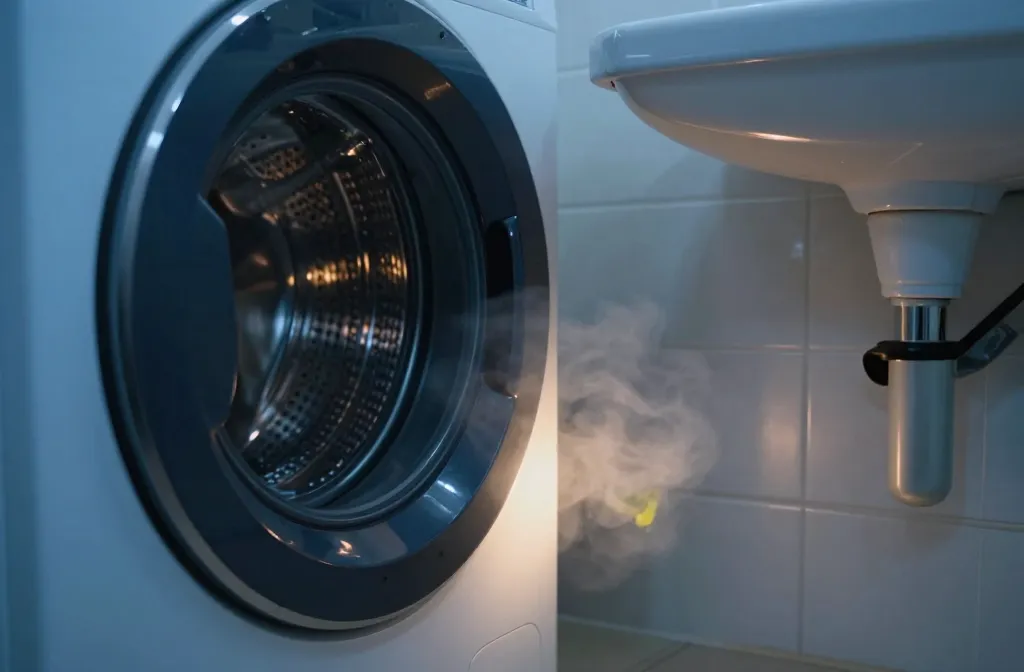
Tired of walking into your laundry room and being hit with a foul smell? If your laundry room smells like rotten eggs, you’re not alone.
This common problem usually comes from water issues or hidden grime, but the good news is—it’s easy to fix.
From checking your drains to natural cleaning hacks, these tips will help you eliminate odors and keep your laundry room smelling fresh every day.
What the heck is that rotten-egg smell, and why does it show up in laundry rooms?
You’ve likely smelled it at least once: a sour, sulfurous tang that hits your nose like a baking soda bomb.
The culprit is usually hydrogen sulfide or related sulfur compounds. In laundry terms, that means something’s not playing nicely with water, heat, and our favorite metal drum.
It could be the washer, the plumbing, or even the clothes themselves.
FYI, your nose isn’t lying—odor molecules are tiny, but they are mighty.
Clogged or dirty trap: the sneaky stink starter
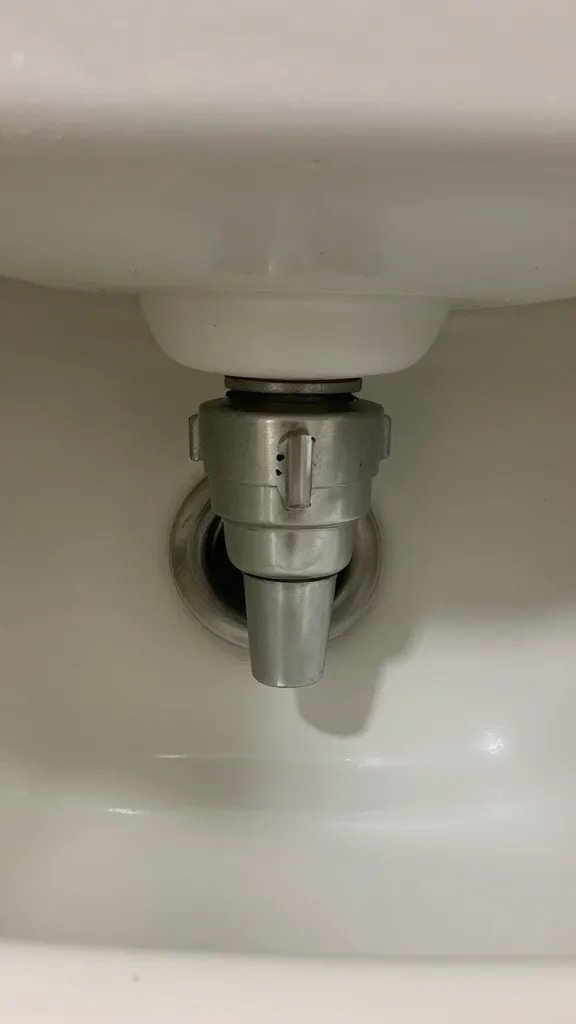
When your laundry room smells like a fossil fuel refinery, it often starts with the P-trap under the sink or near the washer drain.
- What to check: Look for standing water in the trap. If there’s a dry P-trap, sewer gases can leak into the room.
- What to do: Run water down the drain for a minute or two. If the smell lingers, pour in a little baking soda followed by vinegar to fizz out the grime. Then flush with hot water.
- Tip: If the trap is cracked or corroded, replace it. Don’t DIY a broken trap and invite a bigger headache.
Deeper dive: standing water and their friends the biofilms
Standing water in pipes invites bacteria to throw a biofilm party. That biofilm can generate sulfur compounds that waft through your drain.
Regular use helps, so run a cycle with hot water and a splash of white vinegar every so often to keep the party under control.
Washer problems that make odors linger long after the laundry is done
Your washer is a little appliance with big personality. When it smells, it usually means one or more of the following are happening.
- Gasket and seal grime: The door seal clings to soap scum and moisture, growing mold and a funk that sticks to every load.
- Drain pump or filter clogs: Bits of lint, hair, and soap scum can clog the drain, giving leftover water a place to stagnate and sour.
- Detergent overuse: Too much detergent means more suds, more residue, and more places for mold to hide.
Deep dive: the magic of a cleaning cycle that actually cleans
– Run an empty load with hot water and a trusted washer cleaner or a cup of white vinegar.
– Add a half cup of baking soda on the next cycle to neutralize odors.
– Wipe the door gasket after each cycle to curb mold growth.
Drain smells: are your pipes guilty as charged?
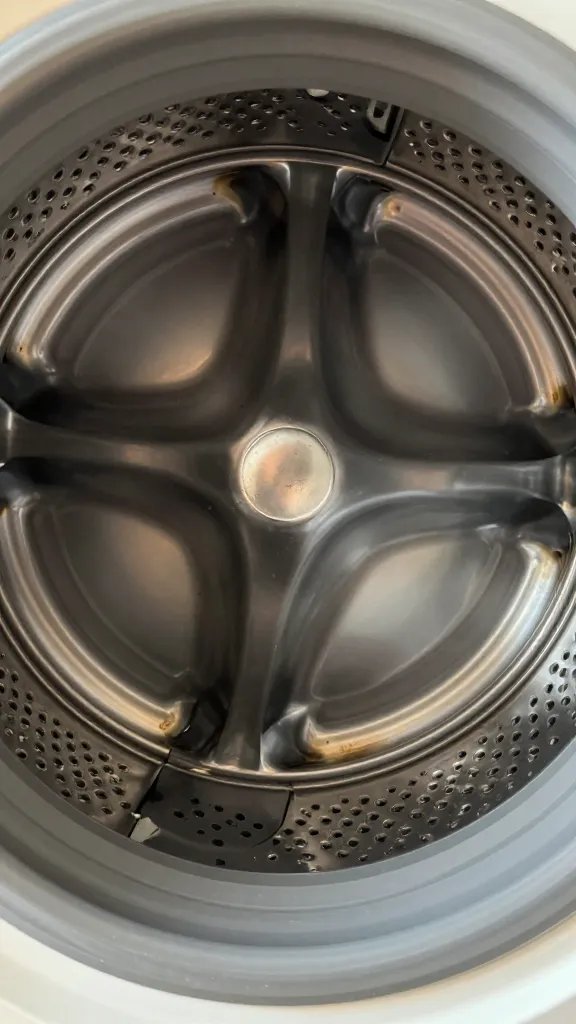
If the stink travels from the laundry room to the rest of the house, the drainage system is likely the suspect.
- Dry traps: As mentioned, dry traps welcome sewer gases. Keep those traps moist with regular use.
- Vent issues: If the vent stack is blocked or poorly vented, gasses can back up into your room. Not cute.
- Old pipes: Corroded or aging pipes can develop leaks that foster odor-friendly environments.
Deeper dive: venting and smells that travel
If you notice the smell only when the laundry is running, the vent system could be defending itself poorly. A pro can check for blockages and ensure proper venting. FYI, do not seal vents to silence smells—this makes matters worse.
Clothes and detergents: the duo that can ruin a good load with bad smells
Sometimes the odor isn’t in the pipes at all; it’s on the clothes.
- Smelly clothes: Items left damp, like gym wear or towels, create a small petri dish of bacteria that release sulfur compounds as they dry.
- Detergent residue: Too much detergent or hard-water buildup can trap soap and bacteria in the fabric, leading to persistent odor.
- Fabric softeners: Some formulations leave a waxy residue that traps odors. Not ideal in high-humidity spaces like laundry rooms.
How to fix odors on clothes, without becoming a chemist
– Sort and air-dry damp items as soon as you’re done.
– Run an extra rinse cycle on heavily soiled or smelly items.
– Consider using a booster like borax or a laundry sanitizer approved for your machine.
– Don’t overload the washer; give clothes room to move and rinse thoroughly.
Prevention playbook: keep the stink away for good
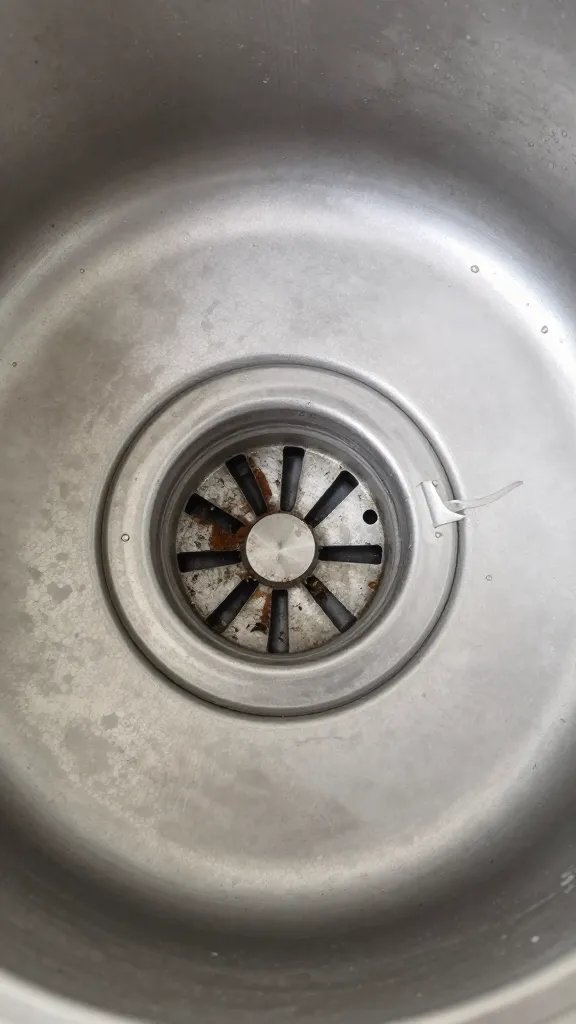
Rooting out smells forever is all about habits and a little maintenance.
- Regular cleaning: Wipe the drum, door seal, and filter monthly. Residue loves to hide in corners.
- Keep the drain topped up: Run hot water-and-cleaner cycles every month to keep drains clear and fresh.
- Smart detergent use: Use the recommended amount, especially if you have hard water. Less is more when it comes to residue.
- Vent and humidity control: Use a dehumidifier or exhaust fan to keep humidity down. Mold likes a damp stage.
When to call in the cavalry: signs you need a pro
Some smells aren’t DIY-friendly.
- Persistent sulfur odor after cleaning attempts
- Puddling or water leaks around the washer or pipes
- Gurgling drains or sewage backup smells
Conclusion
If your laundry room smells like rotten eggs, you’re not doomed to a lifetime of laundry-room funk.
Start by checking drains and traps, then tackle the washer’s grime and detergent habits.
You’ll be surprised how quickly a cleaner drum, a drier environment, and a bit of routine maintenance can restore freshness.
IMO, a little proactive care beats chasing odors with air fresheners every week. You’ve got this.
FAQ
Why does my laundry room smell like rotten eggs even when I haven’t used the washer?
The most common culprits are a dry P-trap allowing sewer gases in, or a hidden buildup in the drain lines. Run water through the traps, then consider a cleaning cycle for the drain and pipes to reset the odor baseline.
Can a dirty washer drum really cause a sulfur smell?
Yes. Detergent residue, moisture, and fabric fibers in the drum create a cozy home for bacteria and mold, which can produce sulfur-like odors over time. Regular cleaning helps a ton.
Is it safe to use baking soda and vinegar to fix odors?
Generally safe in small to moderate amounts. Use them in moderation and follow with a hot water cycle. If you have a septic system, avoid excessive quantities—balance is key.
What products should I use to clean my washer and drains?
Look for products labeled as washer cleaners or enzyme-based drain cleaners designed for wet spaces. For a DIY approach, hot water, baking soda, and white vinegar in the right amounts can work, but don’t overdo it with harsh chemicals.
How often should I clean the washing machine, really?
Aim for a monthly clean cycle, plus a quick wipe-down after every few loads. If you notice odors, do a deeper clean sooner rather than later. FYI, consistency beats intensity when it comes to odor control.