How to Arrange Living Room Furniture Without the Chaos
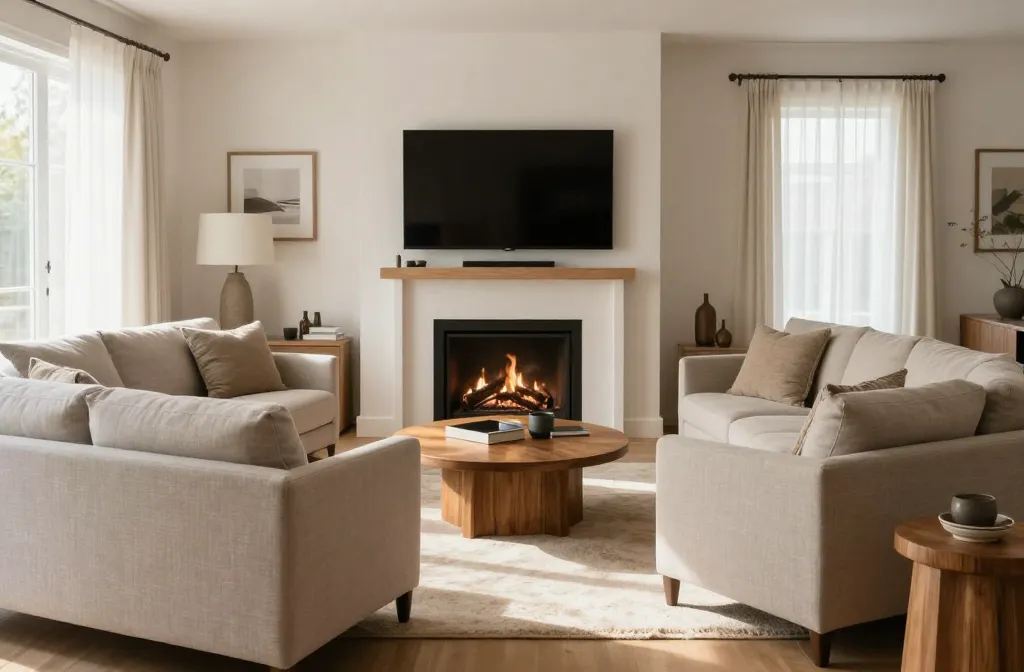
Looking to refresh your living room without a full renovation? In this post, we’ve curated living room furniture ideas that fit every style—from modern minimalist to cozy farmhouse.
Want to make your space feel both functional and stylish? These tips show how the right furniture pieces can completely transform your living room vibe.
From compact sofas for small spaces to statement coffee tables, these ideas help you create a living area that’s comfortable and eye-catching.
Even rearranging or layering furniture can make a huge difference in flow and style.
Explore these living room furniture ideas and turn your space into a cozy, inviting, and stylish haven today!
Layout first, vibes second
A room that works starts with a plan, not a pile of furniture haphazardly tipped into corners. Measure the space like a sane person and sketch a rough map.
FYI, you don’t need to be an architect to do this—just a tape measure and a willingness to move things around.
– Identify focal points: a TV, fireplace, or a view. Place the main seating toward that focus.
– Leave traffic lanes: at least 2.5 to 3 feet of walking space between pieces.
– Consider scale: chunky sofas need breathing room; slim chairs can crowd in gracefully.
Anchor zones with a smart sofa arrangement
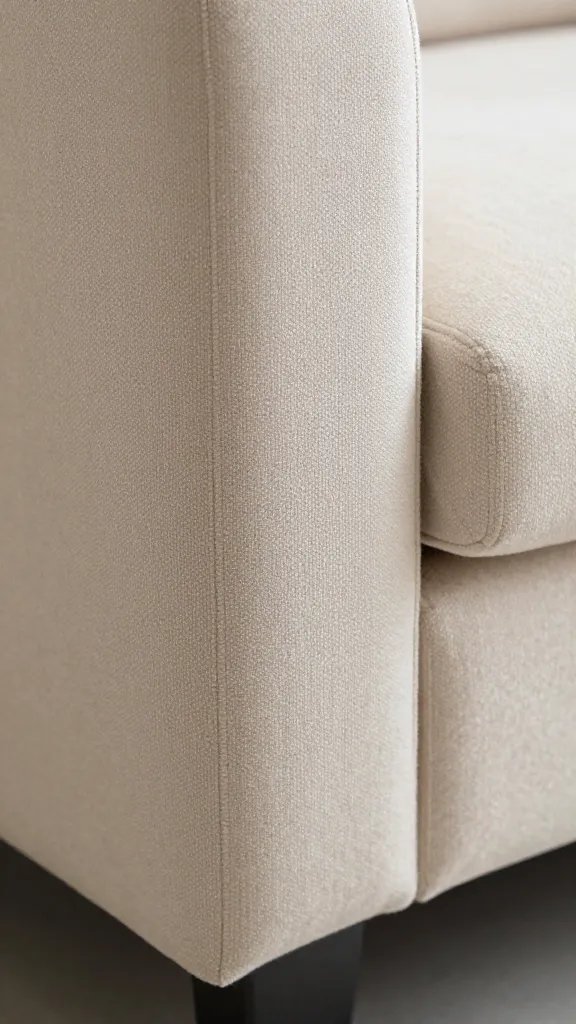
Sofas are the MVPs of living rooms. They set the scale and the conversation flow. Ask yourself: where do people want to chat, watch, and unwind?
- Face the focal point: align at least one piece of seating toward the main feature.
- Create a natural circle: seating should invite conversation, not create a gladiator arena.
- Floating vs. anchored: a sofa can anchor the room, while a sectional can define zones. Both work with the right balance.
Subsection: Seating configurations that actually work
Different rooms demand different moves. Here are a few reliable setups:
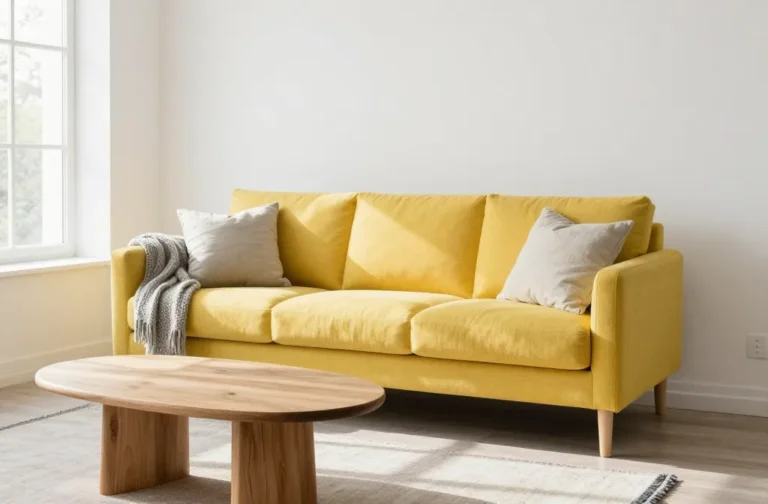
– Classic 3-seat sofa with two chairs: perfect for rectangular rooms.
– L-shaped sectional: cozy for open-plan spaces, but mind the footprint.
– Sofa + loveseat + accent chair trio: great for small-to-medium rooms that want more personality.
Rugs, lighting, and flow
Texture, light, and color weave the room together. Don’t underestimate how a rug can anchor a scene or how lighting changes the mood faster than you change your mind.
- Rug sizing: a rug that’s too small shrinks the room; aim for at least the front legs of the sofa on the rug.
- Layer lighting: a mix of overhead, floor lamps, and table lamps beats one bright bulb any day.
- Color play: anchor with a neutral base and add personality with cushions, throws, and art.
Subsection: traffic-friendly lighting tips
– Keep cords tucked and outlets accessible for lamps you actually use.
– Dimmer switches? Yes please, for movie nights and dramatic reveals.
– Use warm light (around 2700K) for cozy vibes; it feels like a hug from a lamp.
Function meets personality: storage without clutter
Your living room should store what you need without turning into a museum of dust. Smart storage keeps chaos at bay and style in play.
- Floating shelves: show off books and trinkets without crowding surfaces.
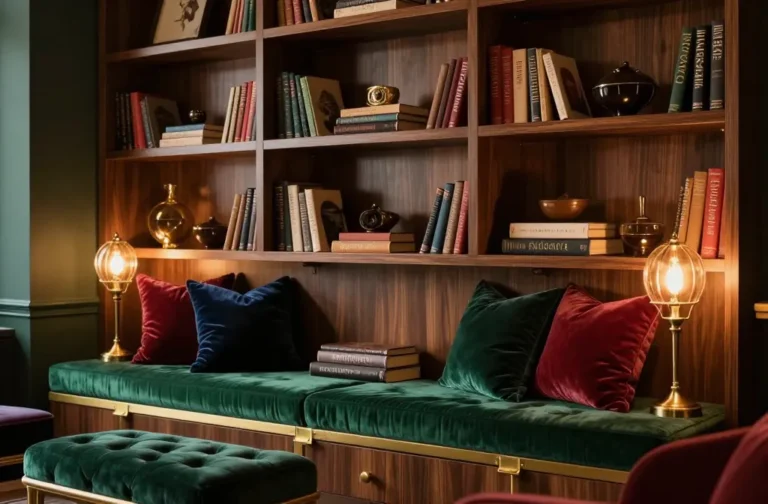
- Under-sofa storage: benches or ottomans with hidden space cut clutter like a ninja.
- Multifunction pieces: coffee tables with drawers or a media console that hides cables. Yes, please.
Subsection: hiding tech, not personality
Hide the cords, not the vibe. A clean setup means you can actually relax without tripping over a tangle of cables. Use cable organizers and run wires behind furniture whenever possible.
Accent pieces: color, texture, and a dash of whimsy
Your room should feel lived-in and layered, not sterile. Accent pieces give it character—without shouting.
- Color pops: throw pillows, art, and a single bright lamp can transform a space.
- Texture mix: woven textures, velvet, and leather add depth; mix prints with solids for balance.
- Statement pieces: a bold chair or an oversized plant can become the room’s personality hitchhiker.
Subsection: art and cushions that actually vibe together
Match or deliberately mismatch. If your couch is a neutral hero, let cushions tell the story. When you choose art, pick something that resonates with the room’s mood and your rhythm.
Small rooms, big impact: tricks for tight spaces
Smaller spaces don’t have to feel cramped. They can feel clever. Use vertical space, mirror magic, and compact furniture that still looks intentional.
- Wall-mounted storage: shelves draw the eye up and create the illusion of more space.
- Clear your floor: choose low-profile furniture to keep sightlines open.
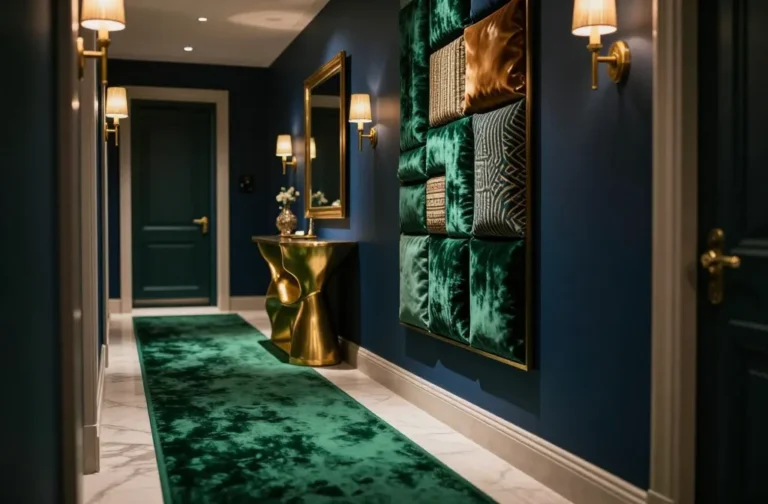
- Mirrors: a well-placed mirror multiplies light and doubles the feel of space.
Subsection: color strategy for compact rooms
Light neutrals with a single bold accent color make a small room feel airy yet energetic. FYI, don’t go too dark on all walls unless you love cocoon vibes.
Finishing touches that seal the deal
This is where you stop overthinking and start living. The last mile matters as much as the first.
- Greenery: plants add life and soften edges. Choose easy-care varieties if your thumbs aren’t green enough.
- Personal artifacts: photos, travel mementos, and quirky keepsakes humanize the space.
- Scents and sound: a subtle candle or diffuser plus a Bluetooth speaker for background tunes can elevate the vibe.
Conclusion
Congratulations, you’ve got the blueprint to a living room that feels curated, not crowded.
Remember: measure, sketch, and test layouts before you buy more furniture.
Move things around with your feet first; the real magic happens when you live in the space and see what works.
And if you hate it, you can rearrange—no one is grading you on the first draft.
FAQ
What should I do first when arranging a living room?
Measure the room, identify your focal point, and sketch a few layout options. Start with the anchor pieces (sofa or sectional) and build around them.
How large should a rug be for a sofa and chairs?
A good rule of thumb is to have the front legs of the sofa and at least the front legs of any chairs resting on the rug. This anchors the seating group and keeps the space cohesive.
Is a coffee table necessary if I have a sofa?
No, not strictly. If you don’t need it, opt for a console behind the sofa or an ottoman that can double as a tray for drinks. If you do use one, choose a size that fits the seating area without crowding legroom.
How can I make a small living room feel bigger?
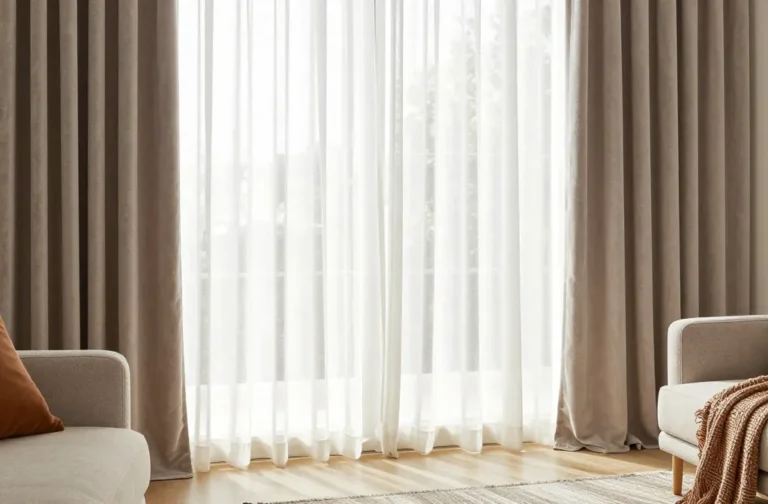
Raise the ceiling effect with light colors, keep furniture slim and low-profile, use mirrors or reflective surfaces, and clear pathways. Let natural light in and avoid heavy drapery that blocks it.
What’s a good lighting plan for a living room?
Layer lighting: overhead light for chores, floor lamps for reading, and table lamps for warmth. Dimmer switches are a bonus for mood control, and warm bulbs (2700K) create a cozy atmosphere.
Any quick ways to add personality without clutter?
Yes. Swap in a bold throw pillow, a striking piece of art, or a single statement chair. Keep surfaces clean and rotate decor seasonally to keep things fresh without feeling chaotic.