What Size Rug for Living Room That Pops Effortlessly
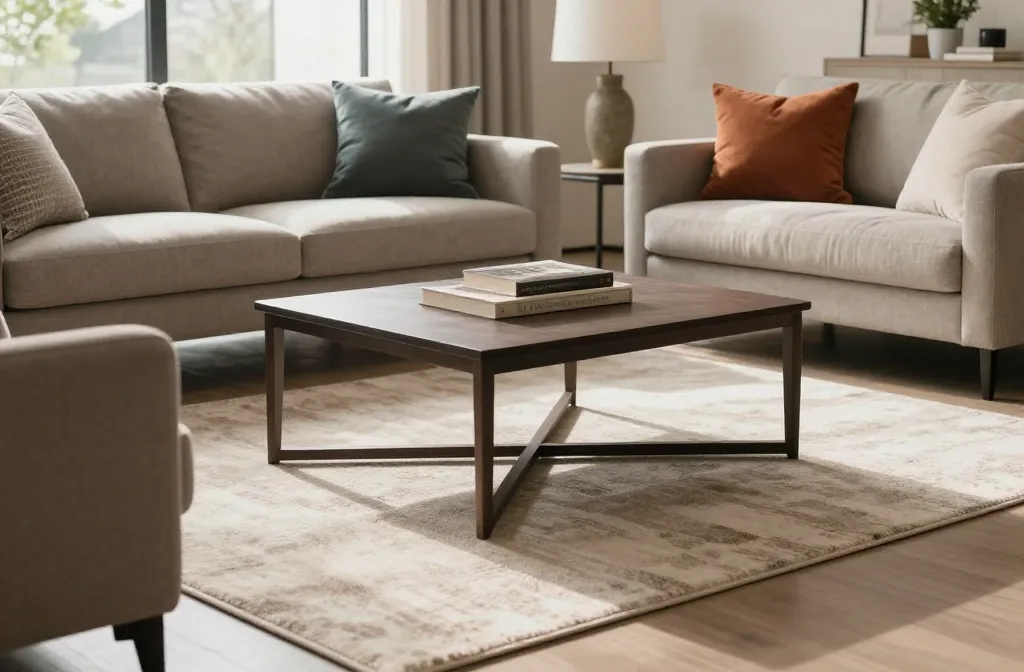
Looking for the perfect rug to tie your living room together? In this post, we’ve curated living room rug ideas that fit every style, from cozy cottage to modern minimalism.
Want to add warmth without overwhelming the space? These tips show how the right rug can make your seating area feel inviting and balanced.
Not sure which size or shape works best? Our guide helps you choose rugs that anchor your furniture beautifully.
Even a small living room can feel spacious and stylish with the right rug.
Get inspired by these living room rug ideas and elevate your space instantly!
Start with the layout: what “proper size” even means
You don’t want guesswork here. The right rug size anchors your furniture and defines zones.
Think of the rug as the stage for your seating area, not a stray carpet teetering on the edge of chaos.
– If you have a full sofa set: aim for a rug that’s big enough to fit under the front legs of all sofas and chairs. That’s usually a rug that’s 8×10, 9×12, or larger, depending on the room.
– If you have a sectional: your rug should extend beyond the sectional’s footprint so the whole seating cluster sits on rug territory. A big 9×12 or 10×14 often works, but measure first.
– If you’re in a tight space: even a 6×9 or 8×10 can define the area, as long as the rug sits under at least the front legs of the main seating.
It’s better to have a smaller, well-placed rug than a giant one that makes the room feel off.
- Measure the seating area first
- Choose a rug that fits under key furniture pieces
- Leave space around the rug for floor and movement
Proportions that don’t require a ruler on the floor
Proportions matter nearly as much as exact measurements. A rug that’s too tiny feels like an afterthought; a rug too large can crowd the space.
– Standard living rooms: 8×10 or 9×12 often hits the sweet spot.
– Smaller rooms: 6×9 can work if you center it under the main seating with at least front legs on the rug.
– Large living rooms: you might go 9×13 or 10×14 to cover a bigger footprint and create a grand, cohesive look.
- Leave 12-24 inches of bare floor around the rug edges if you want contrast
- Or go wall-to-wall style if you crave a seamless, low-pile look
What about the furniture placement tricks that save your space
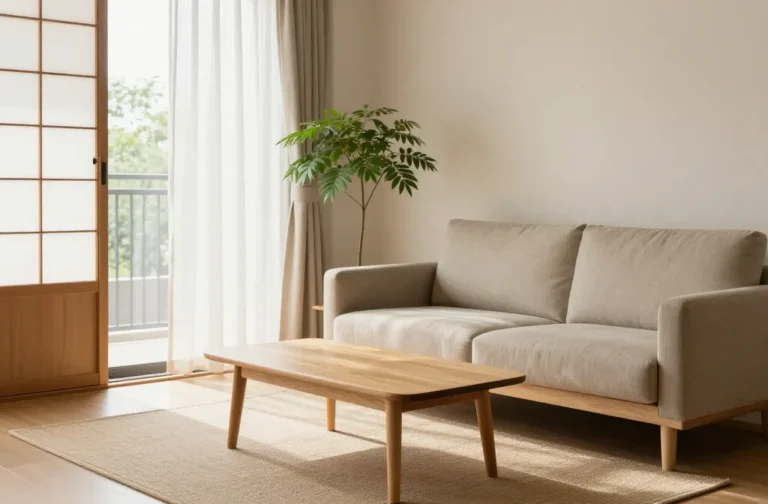
Think of the rug as the anchor for your furniture, not the obstacle you trip over when you walk by.
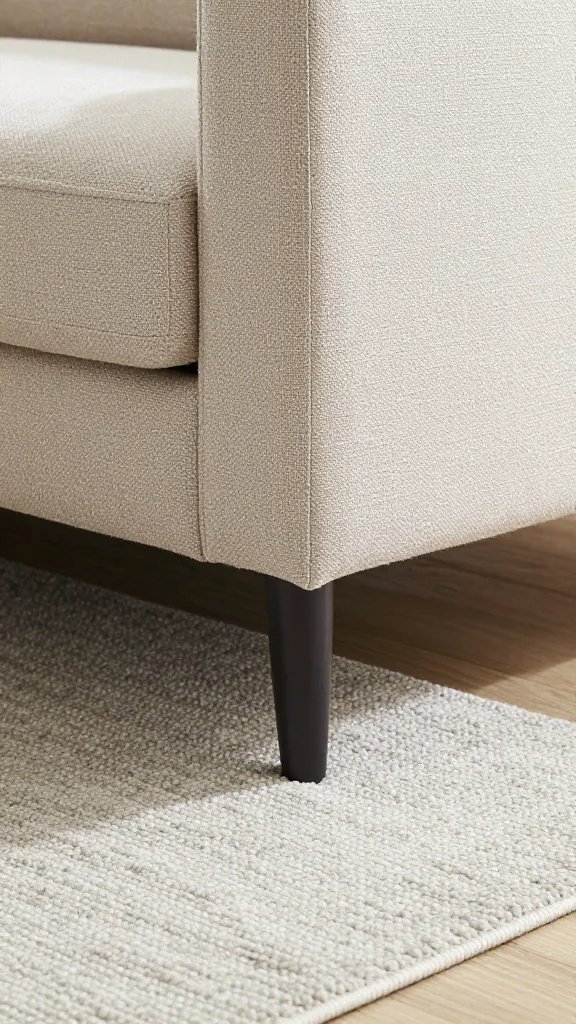
– Front legs rule: a common tip is to have the front legs of all major seating on the rug. It ties the space together without forcing everyone to become a contortionist.
– Coffee table compatibility: the rug should be large enough so the coffee table sits comfortably on it with some rug underneath. If the table sits entirely outside the rug, it can feel off.
– TV wall considerations: if your TV is on a separate wall, you can use a rug to create a cozy conversation zone rather than focusing on the screen. FYI, the rug isn’t a “screen” saver; it’s a vibe saver.
Sectional setups: how to handle the beast
Sectionals are large, delightful beasts. You’ve got two options:
– Full coverage: go for a rug that sits under the entire sectional footprint plus a little breathing room. This creates a unified look.
– Zoning approach: place the rug under the seating cluster but allow some floor visible around the edges for a lighter feel.
Material matters: pile height and texture
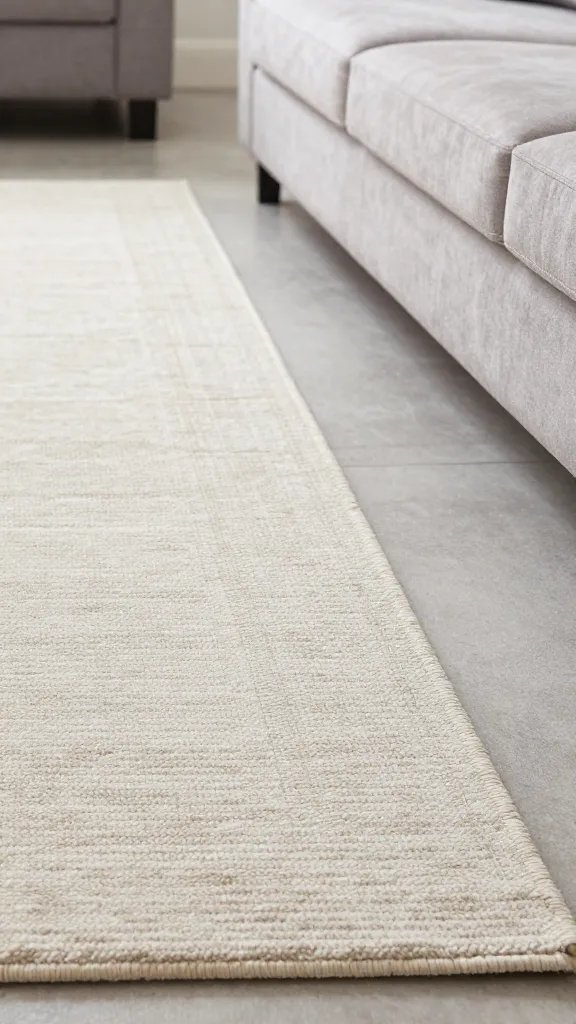
Your rug’s texture and pile height affect feel, maintenance, and how well it hides life’s little messes.
– Low pile (flatweave or short pile): easy to clean, modern look, great under chairs. Not as comfy for bare feet, but you can add a chunky felt pad for softness.
– Medium pile: a sweet spot for comfort and practicality. It holds up well to traffic and still looks polished.
– High pile (shag, luxurious plush): luxurious underfoot, but hides dirt and can be tricky to clean. Consider a high-pile in a room with less daily foot traffic, or with a good rug pad and regular vacuuming.
Color and pattern play nicely with size
– Light colors can make the space feel bigger, but show dirt more easily. If you have kids or pets, you might lean toward medium or dark tones with a forgiving pattern.
– Patterns can fool the eye into thinking a rug is larger. A large-scale pattern works well on bigger rugs; a subtle pattern adds texture without clutter.
Underfoot comfort: padding that actually helps
A rug pad isn’t optional; it’s the unsung hero of comfort and longevity.
– Prevent slipping: a good pad keeps the rug in place, especially on slick floors.
– Add cushion: if you’re choosing a low-pile rug, a pad adds noticeable comfort.
– Protect floors: a pad can prevent scratching and wear on wood or laminate.
Choosing a pad: simple rules
– For hard floors: use a dense rubber or felt-backed pad.
– For carpeted floors: a thinner pad prevents tripping while still providing grip.
– Size match: pick a pad roughly the rug size, or slightly smaller so edges stay visible.
Cost, upkeep, and practicalities
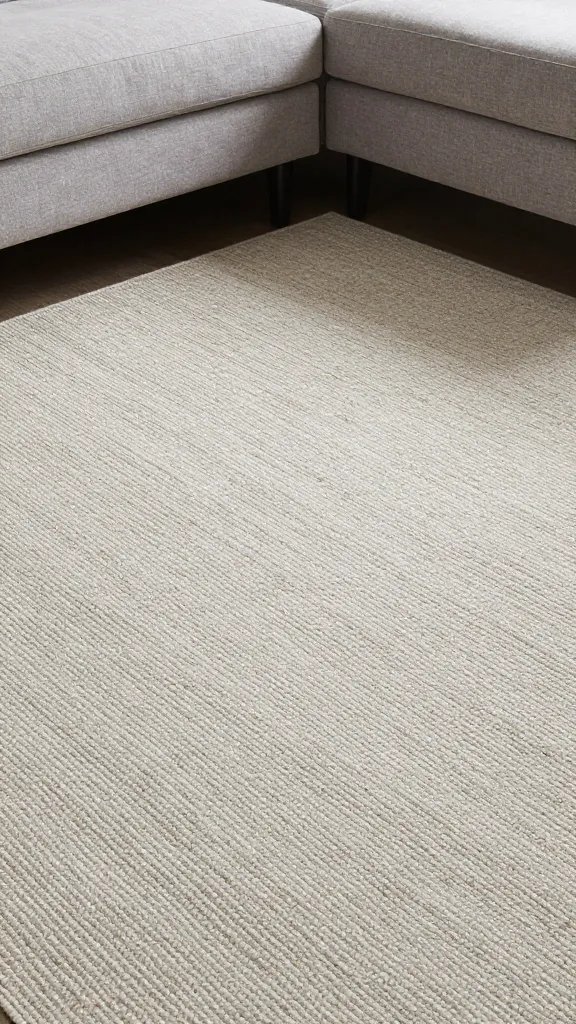
Size is not the only factor; durability and ease of cleaning matter, too.
– Budget-friendly routes: medium-pile patterns in 8×10 or 9×12 can hit the right vibe without breaking the bank.
– Durable materials: polypropylene (synthetic), wool blends, and indoor-outdoor options wear well and clean up easier than pure shag.
– Cleaning reality: vacuum regularly, spot-clean spills quickly, and consider professional cleaning every 1-2 years depending on traffic.
How to clean without turning it into a mud pie
– Blot spills instantly with a clean cloth; don’t rub.
– Use a mild detergent solution for stains on washable rugs.
– For wool, follow manufacturer care directions to avoid shrinking or felting.
Putting it all together: quick measurement checklist
– Measure the seating area width and length.
– Decide on a rug size that allows front legs on the rug.
– Check rug proportions relative to room walls and doorways.
– Consider traffic patterns: you want clear paths without stepping onto rug edges every time you stand up.
– Visualize with tape on the floor if you’re unsure. It’s like a dry run for furniture Feng Shui.
Conclusion
Finding the right rug size is less about an exact number and more about how the rug feels in the room.
You want a piece that anchors the seating, fits the traffic flow, and invites people to kick off their shoes without tripping over an edge.
Measure, test, and then trust your eyes. It’s your living room, after all—make it comfy, make it cohesive, and make it yours.
FAQ
What is the best rug size for a typical 12×16 living room?
For a 12×16 space, aim for an 8×10, 9×12, or 10×14 rug depending on the seating layout.
If you want a more spacious feel with a larger coffee table, go bigger; if you prefer a tighter, more intimate vibe, stick to 8×10.
Can I use a rug that only covers part of the seating area?
Yes, especially if you’re working with a smaller room or want a lighter look.
Ensure the rug supports at least the front legs of the main seating pieces to unify the zone.
Should I match rug size to wall length or furniture size?
Prioritize furniture layout first. The rug should anchor the seating group, not necessarily align with wall lengths.
A well-sized rug reduces visual clutter and creates a cohesive sitting area.
Do I really need a rug pad?
Absolutely. A rug pad keeps the rug in place, protects floors, and adds cushion. It’s tiny in cost compared to the big payoff of a stable, comfy rug.
How do I choose between a low-pile and high-pile rug for a high-traffic space?
In high-traffic living rooms, lean toward low to medium pile with a durable material and a good pad.
High-pile rugs can work in bedrooms or formal living areas with less traffic, or if you’re willing to clean more often.