How to Design a Serene Lavender Bedroom You’Ll Love Instantly
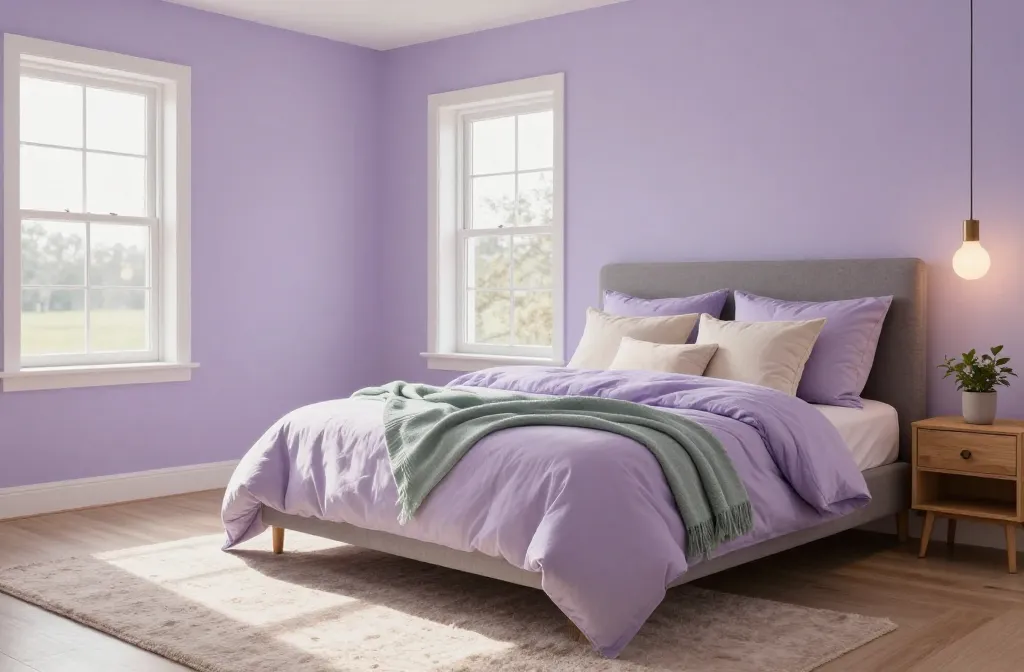
The moment you step into a lavender bedroom and it feels like you’ve walked into a calming hug, you know it’s doing something right.
Lavender isn’t just a color; it’s a mood, a scent, a whisper of calm in a busy world.
If you’ve been chasing a serene sanctuary in your own space, this guide is for you.
We’ll design a room that feels fresh, grounded, and absolutely not exhausting to live in.
1) Set the scene: the core palette and vibe
Lavender works best when it’s allowed to breathe. Start with a soft base that’s easy on the eyes and easy to pair with pops of personality.
Think pale lilac, dusty lavender, warm gray, and creamy whites.
The goal isn’t a sugar-crushed pastel parade; it’s a grown-up wash of color that still feels light.
– Choose a dominant lavender shade for walls or a feature piece. If walls feel risky, use lavender bedding or a rug to anchor the room.
– Add neutrals that ground the space. Warm whites or soft taupes keep things from feeling chilly.
– Bring in accent colors that complement lavender—sage green, muted blush, or earthy terracotta work nicely.
Tip: Test swatches on multiple walls at different times of day. Lavender shifts like a mood ring in natural light, and you want to love it morning, noon, and night.
2) Lighting that doesn’t fight the lavender glow

Good lighting is the secret sauce for a serene bedroom.
You want layers: ambient, task, and a dash of mood lighting. And yes, lighting can elevate lavender from pretty to peaceful.
– Ambient: A soft overhead with dimming capability keeps things calm. Warm white bulbs (around 2700K–3000K) feel cozier with lavender.
– Task: Bedside lamps with warm light help when you’re reading or winding down.
– Mood: A small string of LEDs or a plug-in glow can gently illuminate lavender accents without overwhelming them.
Question for you: Do you prefer a minimalist look or a little twinkle here and there? Both work—just align the light quality with the mood you want to feel.
3) Textiles and layers: the tactile game
Textiles set the mood more than any single decor object. The right fabrics bring warmth, texture, and a sense of serenity.
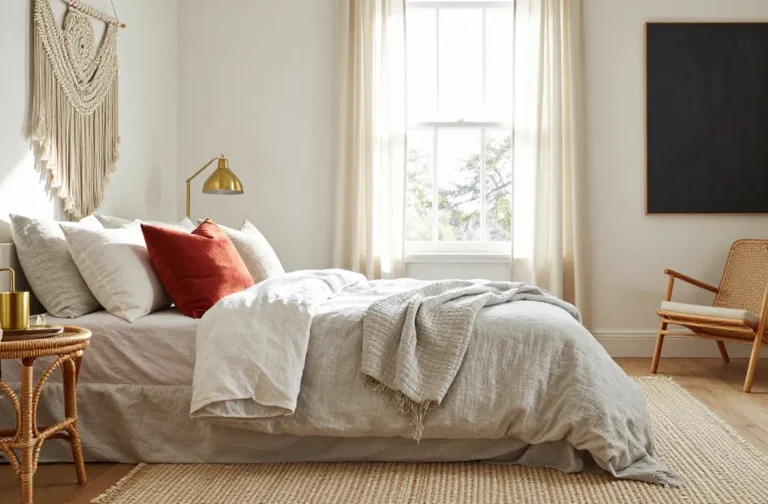
– Bedding: Choose breathable fabrics like cotton percale or linen. A duvet in a slightly lighter shade of lavender creates depth without shouting color.
– Curtains: Linen or cotton curtains in a soft off-white or heather gray soften the room and control light.
– Rugs and cushions: Add a plush rug near the bed for a cozy barefoot welcome. Mix textures—knit, velvet, woven—so the room feels inviting, not sterile.
Pro move: Keep the lavender as the star, then layer with neutrals and a couple of subtle patterns in upholstery or pillows.
4) Furniture footprint: calm, not crowded
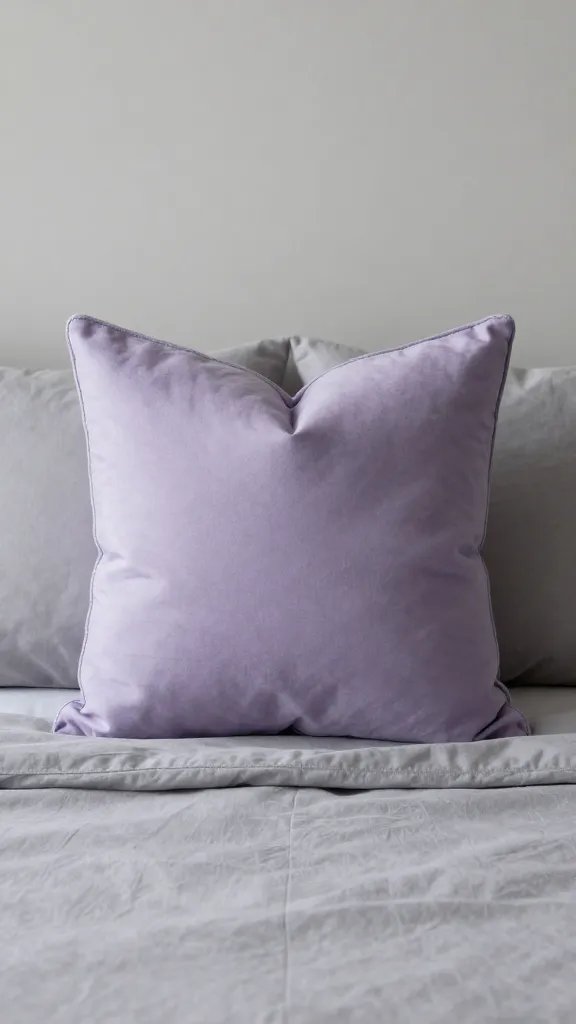
Furniture should serve rest, storage, and flow. Overstuffed rooms feel claustrophobic, and that’s the opposite of serene.
– Bed placement: Centered on the main wall often works best, but ensure at least 2–3 feet of clearance on either side for easy access.
– Storage balance: A mix of closed storage (dressers, cabinets) and open surfaces for decor keeps things tidy. Avoid cramming too many objects onto a single wall.
– Second seating: A small chair or bench at the foot of the bed adds function without clutter.
FYI: If you have limited natural light, choose lighter furniture finishes to keep the space feeling airy.
5) Greenery and natural touches: breathe easy
Plants aren’t just decor; they’re mood boosters, and lavender loves a little natural context. Choose plants that thrive indoors with minimal fuss.
– Easy greens: Snake plants, pothos, ZZ plants, and peace lilies are forgiving and stylish.
– Scented options: A lavender plant or lavender-scented sachets can reinforce the color story without overpowering the room.
– Natural textures: Woven baskets, driftwood accents, and stone surfaces echo the lavender’s earthy vibe.
Note: Don’t overdo water. You want a calm, low-maintenance biotope, not a mini rainforest that demands daily attention.
6) Subtle pattern play: keep it serene
Patterns can add depth, but they should be purposeful. When you’re working with lavender, simpler is often better.
– Wallpaper or an accent wall: If you go with wallpaper, pick a delicate, repeating pattern in neutral tones. Avoid loud motifs that clash with the lavender.
– Textiles: Stripes, gentle geometrics, or small florals in coordinating hues can give you visual interest without chaos.
– Art and decor: Choose pieces with clean lines and soft color relationships to maintain harmony.
Question for you: Are you pattern-averse or pattern-curious? Either approach can work when you keep the lavender as the unifying thread.
7) Personal touches: make it yours
The serene lavender bedroom still needs your signature. Add items that calm your mind and spark joy.
– Personal artifacts: A favorite books stack, a meaningful photograph, or a travel memento on a floating shelf can ground the room in your life.
– Scent strategy: A light lavender candle or essential oil diffuser set on a low, safe setting ties the theme together without aggression.
– Tech minimalism: If you use tech at night, hide cords in cable management solutions and opt for a discreet charging station.
Pro-tip: Keep surfaces mostly clear. A tidy space reduces mental noise, which is part of the serene equation.
8) Maintenance and flexibility: future-proofing serenity
Serenity isn’t a one-and-done project; it’s a daily practice. Build in easy refreshes so the room stays peaceful over time.
– Seasonal swaps: Change textiles with the seasons—lighter linens in summer, cozier knits in winter.
– Quick resets: A weekly linen refresh and a quick declutter ritual keep the space calm.
– Flexibility: If lavender starts to feel too sweet, swap in a more muted purple or gray-green for the accessory palette.
Deeper dive: choosing the right lavender hue
Lavender comes in many flavors. If you want a soothing, spa-like vibe, lean toward muted, gray-tinged purples.
For a brighter, more cheerful approach, pick a lavender with a touch of pink.
If you adore calm and depth, consider a deeper lavender on an accent wall, then soften the rest with dove gray and warm white.
Deeper dive: scent without overpowering
Lavender is a vibe, but you don’t want it to smack you awake at 3 a.m. Use a diffuser with a light mist and a timer.
If you’re sensitive to fragrances, opt for unscented textiles and rely on a tiny lavender plant or a soft lavender-colored decor piece to cue the mood.
Conclusion
Designing a serene lavender bedroom is about restraint, texture, and intention.
Let the color guide your decisions, not overwhelm them.
Balance soft purples with warm neutrals, layer light and shadow, and pepper in personal touches that make the room feel like you—just calmer, quieter, and all-around nicer to be in.
FAQ
What lavender shade is best for walls?
Lavender walls work best when you choose a muted, gray-tinged lavender. It’s soothing and versatile, and it plays nicely with whites, creams, and natural wood tones.
If you love drama, go deeper; if you want airiness, keep it lighter.
Can I use lavender in small bedrooms?
Absolutely. In small spaces, keep lavender as an accent or on textiles rather than walls.
Pair with lots of white or light wood and avoid heavy patterns that shrink the space visually.
What lighting setup helps lavender glow?
Layer lighting: ambient warm lighting, task lighting by the bed, and a small mood light or string lights for softness.
Aim for bulbs around 2700K–3000K for warmth that complements lavender.
How do I keep a lavender bedroom from feeling childish?
Stick to a balanced palette with neutrals and natural textures. Use lavender as a single, cohesive accent rather than the main color in every object.
Choose high-quality fabrics and timeless furniture shapes.
Are plants necessary in a lavender bedroom?
Not necessary, but they help. Plants add texture, life, and air freshness.
If you’re not into plant care, select low-maintenance options and place them where they’re easy to reach for light.
What’s the easiest way to refresh a lavender room?
Swap textiles seasonally, rotate a few decor pieces, and adjust lighting to shift the mood.
A small, inexpensive refresh can make the space feel new without a full redo. FYI, tiny changes add up.