How to Hide Water Heater in Laundry Room: Chic, Hidden, and Handy
Looking for ways to make your laundry routine smoother? Installing a water heater in your laundry room can completely change the way you do laundry.
No more waiting for warm water or dealing with inconsistent temperatures!
Even small laundry rooms can benefit from smart water heater solutions that save space and energy. From tankless systems to compact tanks, there are plenty of options to suit your layout.
Check out these curated ideas to keep your laundry efficient, warm, and hassle-free.
First things first: assess your space and constraints
Before you start dreaming in beige and vinyl flooring, take stock. Measure the heater, note the clearance around it, and check the venting and exhaust requirements.
You’ll also want to know where the shutoffs and electrical connections live. No one wants to spill coffee while hunting for a valve they can’t reach.
– Note clearance: typically 1–2 feet of space around the unit for service.
– Locate shutoffs and breakers: label them so you can find them in a hurry.
– Check venting and exhaust: if you’re in an older home, you might need to accommodate a vent with a clean path and safe routing.
If you discover any red flags, like limited access or odd vent configurations, plan a more involved remodel or call in a pro.
FYI, not all hiding spots are worth the risk of a DIY disaster.
Plan your “hide” around function, not just looks
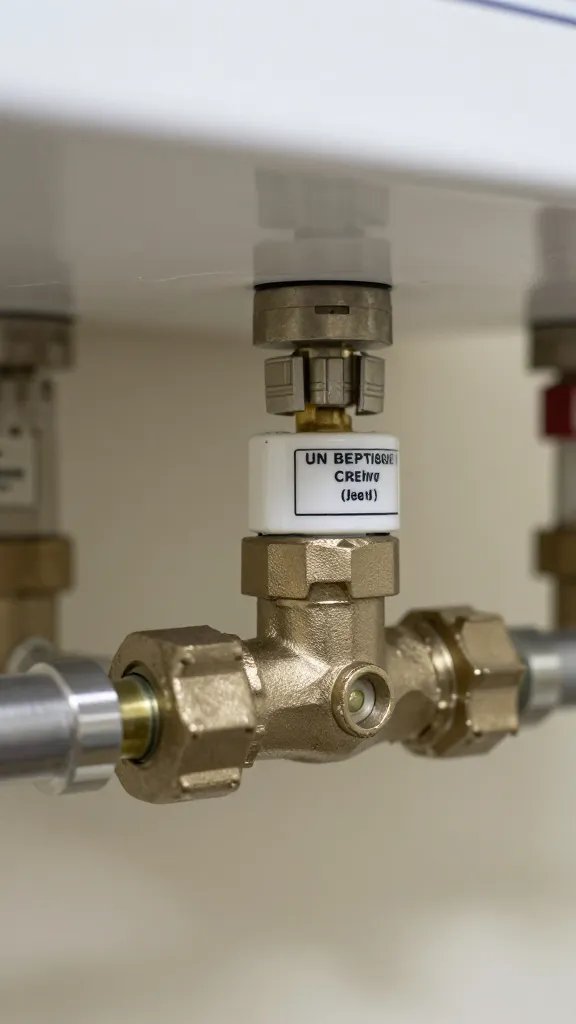
The goal isn’t to pretend the heater doesn’t exist; it’s to give it a smart home in a stylish disguise. Start by outlining zones: utility zone (valves, breakers, drain), access zone (front panel, top vent if applicable), and concealment zone (cabinet, closet, or partition).
– Prioritize easy access: you’ll still need to check the anode rod, read gauges, or swap a vent if needed.
– Separate from laundry workflow: avoid blocking soap shelves, hampers, or folding space.
– Noise considerations: if the unit hums, you’ll want a little cushion of space for sound dampening.
If you’re going for a cabinet, plan a front panel that swings or slides for quick access. No one wants to wrestle with a trap door at 6 a.m.
Cabinets, doors, and doors-within-capes: concealment options
Here are the most practical hiding spots, ranked by vibe and practicality.
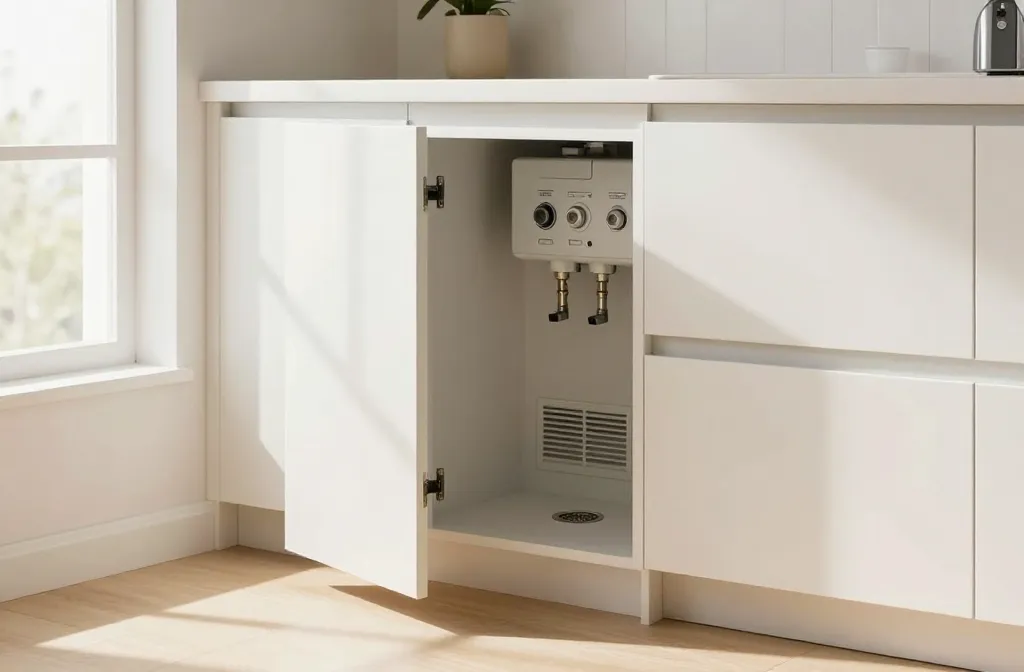
Framed cabinet with a removable panel
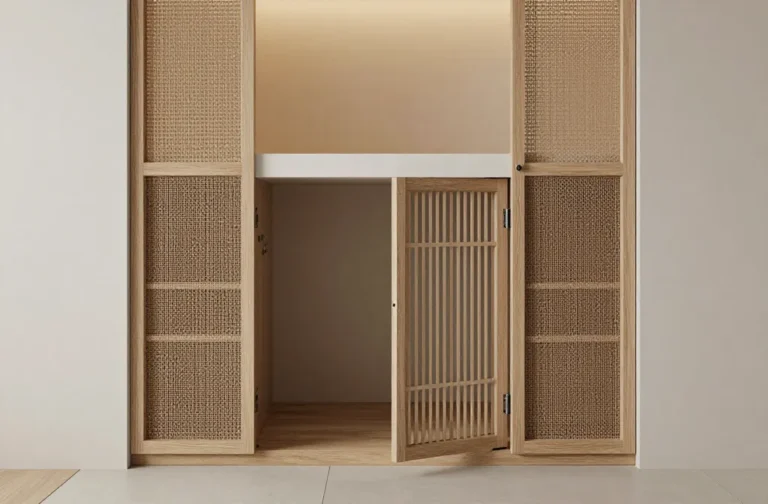
– A standard cabinet that matches your laundry cabinetry works great. Install a lightweight door with a small hinge.
– Include a removable panel or vented grate on the front for air flow and service access.
– Keep the panel labeled and easy to unscrew in case of emergency.
Linen closet rework
– If your laundry room already has a closet, convert a portion into a service nook. Use a shallow door that blends with nearby cabinetry.
– Add a slim shelf above the heater for storage of detergents and dryer sheets. This keeps essentials within reach and out of sight.
Built-in utility cabinet with toe-kick
– Create a base cabinet with a recessed toe-kick so you don’t have to bend funny to reach valves. Keeps the feet comfy and the unit discreet.
– Consider a two-door system with one side for the heater and the other for bulk storage.
Ventilation and safety: the non-negotiables
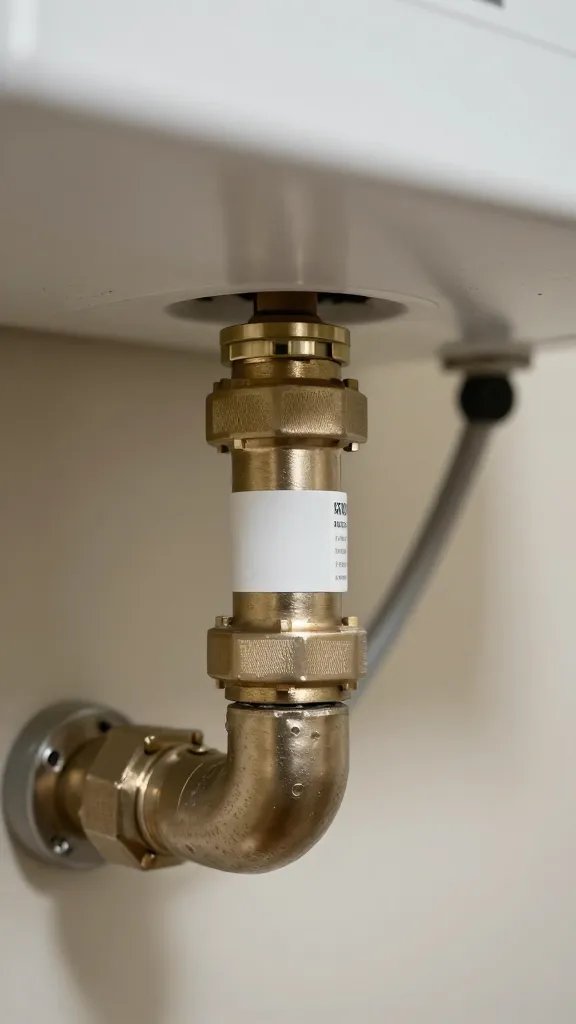
Hiding the unit won’t help if you suffocate it or block vital airflow. Here’s how to keep things safe and compliant.
– Ensure adequate clearance: keep at least the manufacturer’s recommended space around the heater for intake and exhaust.
– Venting path: don’t bury the ventline behind a wall or cabinet that you can’t access. Plan a clean, straight shot to the outside if you have a vented model.
– Drain access: if you’ve got a tank-style unit with a drain, keep the drain valve reachable and clear of obstructions.
– Carbon monoxide and gas alarms: place them as required by code and near sleeping areas.
– Fire safety: avoid placing the heater behind materials that could overheat. Choose heat-tolerant cabinet materials.
If you’re unsure about venting or gas line safety, call in a pro. FYI, it’s not glamorous, but it saves a lot of headaches later.
Materials and finishes that blend in (without killing airflow)
You want concealment that feels intentional, not a last-minute cover-up. Here are finish ideas that look intentional and stay functional.
– Matching cabinetry: pick doors and panels that match your existing laundry cabinets for a cohesive look.
– Louvered panels or vented doors: these allow air to circulate while keeping the unit visually tucked away.
– Light color and reflective surfaces: whites, creams, or pale grays make the space feel bigger and less claustrophobic.
– Soft-close hardware: keeps the “hiding” feel premium and quiet, so you don’t get loud bangs every time you open the panel.
A small touch: add a magnetic vent cover that’s easy to pop off during service. It’s the little things that keep you from muttering under your breath at 7 a.m.
Smart layout tricks: maximize space and flow
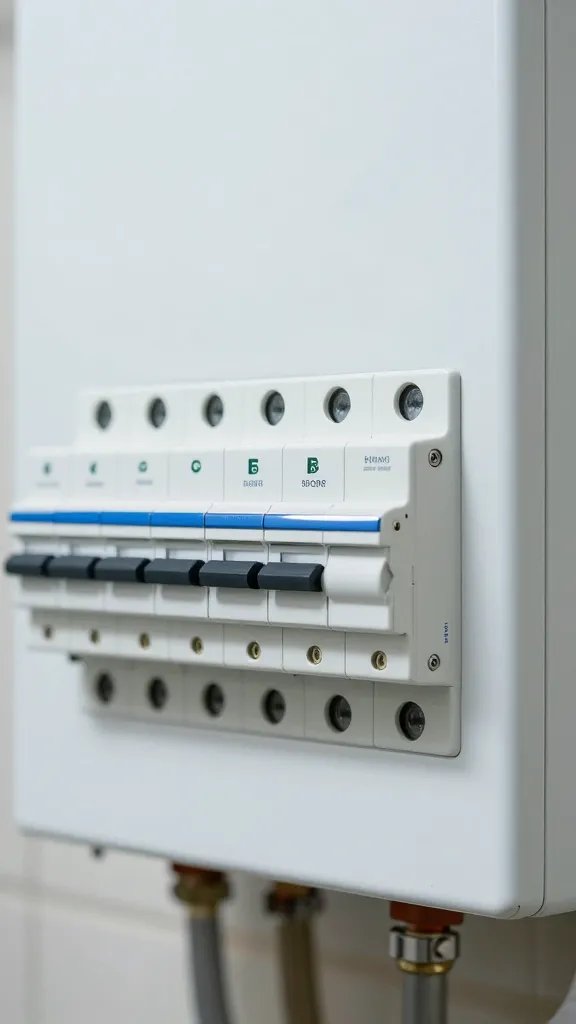
If you’re in a tight room, every inch counts. Try these layout hacks.
– Use vertical space: mount shelves high above the unit for detergents, stain removers, and towels. Keep the lower zone open for service access.
– Slim storage options: consider a tall, narrow cabinet or rolling cart you can slide out when you need to service the heater.
– Perimeter planning: avoid placing the heater directly next to the washer or dryer if vibration is a concern. A small gap can reduce noise transfer.
Want a more dramatic solution? A partial wall or decorative screen can split the room visually while maintaining access.
Just avoid anything that blocks airflow or makes service hard.
Personal touches: style without sacrificing practicality
Let’s make this feel like a design win, not a hiding spot you regret later.
– Color accents: pick a hue that ties in with your laundry room palette. A chic pop of color behind a hidden panel can be a fun reveal.
– Hardware details: choose handles or pulls that echo the rest of the space. It’s the little design nods that say “this was planned.”
– Light and mirrors: good lighting helps you spot leaks or rust, and a mirror can visually expand a compact room.
If you’re worried about aesthetics, remember: function first, style second. IMO, a clean, well-lit hiding spot beats a chaos corner any day.
Conclusion
Hiding a water heater in a laundry room doesn’t mean you surrender function or style.
With thoughtful placement, smart concealment, and a dash of personality, you create a space that feels calm, organized, and a little bit clever.
Plan around access, maintain safety, and let the design whisper rather than shout.
You’ll thank yourself the next time you’re folding towels or chasing a squeaky valve.
FAQ
How close can a water heater be to laundry appliances?
A typical guideline is to maintain the manufacturer’s clearance around the unit and avoid blocking exhaust or access panels.
If you’re unsure, consult your heater’s manual or a pro. Short answer: keep it accessible and venting clear.
Do I need to vent a hidden water heater differently?
Not usually, but you must ensure the vent path remains unobstructed and properly routed. Don’t tuck it behind tight panels that trap heat or moisture.
If the vent is compromised, you increase risk of backdraft or CO buildup.
What materials are best for a concealed water heater cabinet?
Opt for heat-tolerant, fire-rated materials. Plywood with a durable finish, moisture-resistant MDF, or treated plywood works well.
Use vented panels or louvers to keep air flowing and the unit cool.
How often should I service a hidden water heater?
Check the manufacturer’s guidance, but generally, schedule a yearly inspection. If you notice leaks, odd noises, or temperature fluctuations, call a pro sooner.
Can I DIY the concealment, or should I hire a contractor?
Simple cabinet concealment and cosmetic tweaks are usually DIY-friendly. If you’re altering ventilation, gas lines, or significant electrical wiring, hire a licensed pro.
FYI, a little professional help goes a long way when safety is on the line.