How to Get Rid of Fruit Flies in Kitchen Fast
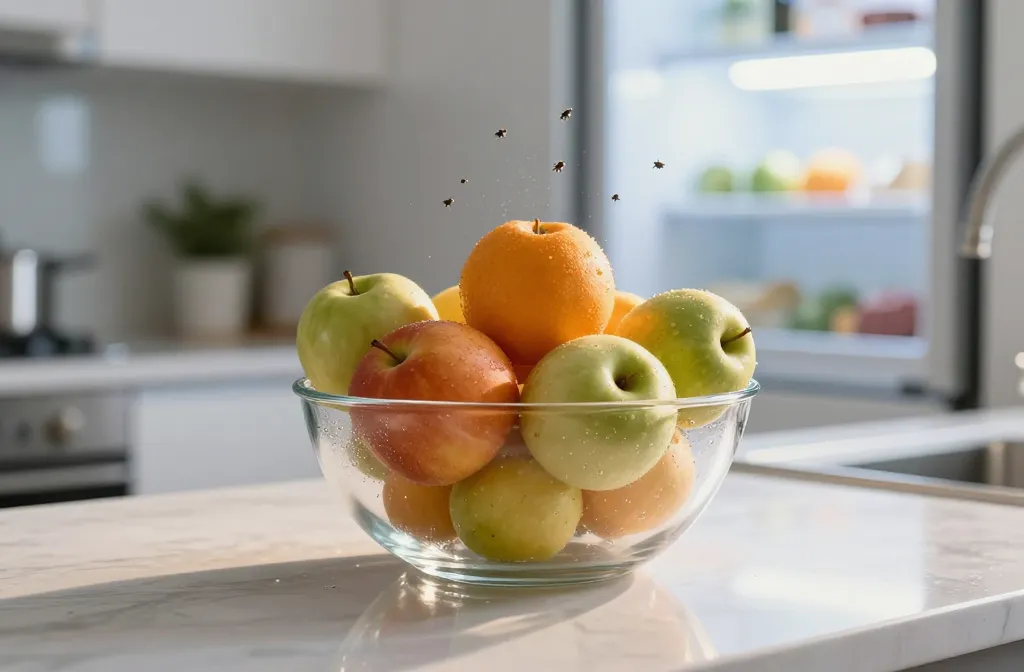
Tired of tiny flies hovering around your fruit bowl and sink? In this post, we’ve curated How to Get Rid of Fruit Flies in Kitchen Fast with simple and fast ways to get rid of fruit flies in your kitchen and stop them from coming back.
Walking into the kitchen and seeing tiny fruit flies hovering around your fruit bowl or sink can feel frustrating, especially when everything looks clean on the surface. I used to think they only appeared in messy kitchens, but I quickly learned that isn’t true at all. Even a few ripe bananas or a forgotten juice spill can invite them in within hours.
What makes fruit flies so annoying is how fast they multiply. One day you notice a few, and the next it feels like they are everywhere—floating around the counter, trash can, and even your glass of water. I tried ignoring them at first, hoping they would disappear on their own, but that only made things worse.
The real issue is that fruit flies are attracted to hidden food sources and moisture we often overlook. It could be overripe fruit, a damp sponge, or even residue in the sink drain. Once they find a spot, they keep coming back again and again.
When I finally started focusing on removing what was attracting them instead of just swatting them away, everything changed. With a few simple but consistent steps, the kitchen became calm again, and the problem disappeared much faster than I expected.
Why fruit flies show up in the first place
Fruit flies aren’t random—they’re attracted to ripe fruit, sticky surfaces, and a buzzing kitchen aroma that says “free snacks.”
They breed fast, laying eggs in super-soft peels or fermenting liquid.
The moment you notice a few circling your fruit basket, they’re already planning the next wave.
– They love fermentation: fruit, wine, cider, soda, anything sugary.
– They’re attracted to moisture and residues: dirty drains, sticky countertops, and damp towels.
– They reproduce quickly: a small problem today becomes a big problem tomorrow.
If you understand the motive, you can outsmart them. FYI, cleanliness is your best ally here.
Immediate cleanup: the fast track to fewer flies
Stop the problem at the source. Clean it up, and you take away their favorite playground.
- Clear ripe fruit and open produce. Put them in the fridge or in a sealed container.
- Empty and rinse the sink after use. Don’t leave food scraps sitting there.
- Wash counters and the stovetop. Don’t leave sticky residues behind.
- Take out the trash and compost regularly. Don’t give them a runway to multiply.
- Dry the damp cloths and sponges. Moisture is a magnet.
If you’re wondering how fast this helps, you’ll notice a drop in activity within a few hours to a day. It’s like cleaning your room after a wild sleepover—the chaos suddenly looks a lot less inviting.
DIY traps that actually work
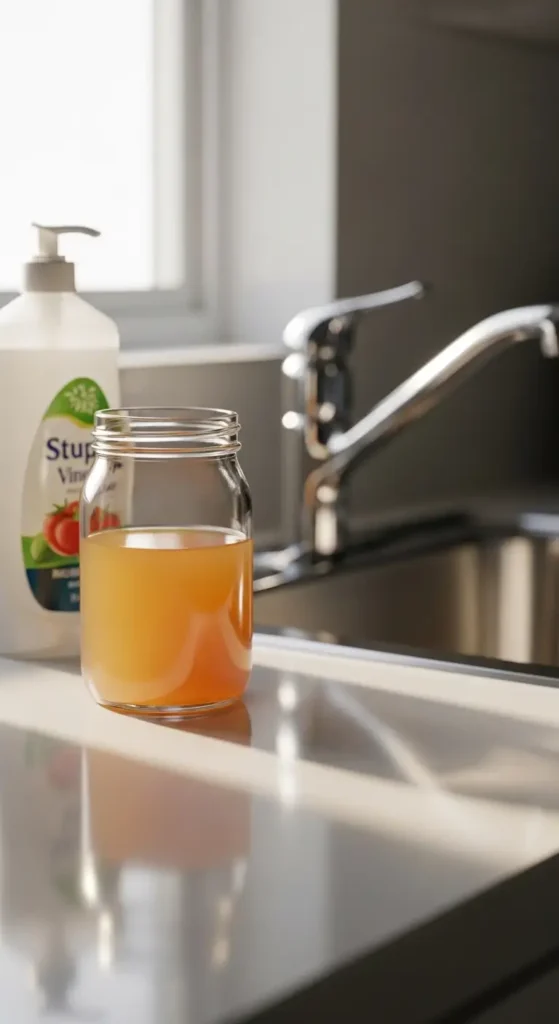
Traps are a great middle-ground between full-on cleaning blitzes and “hope they go away.” Here are a few effective, low-effort options.
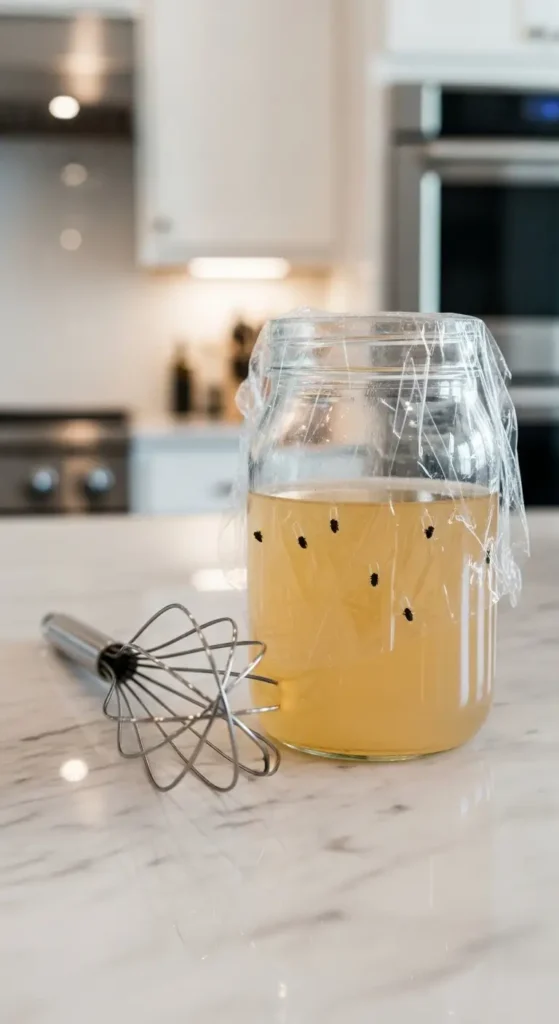
Vinegar and dish soap trap
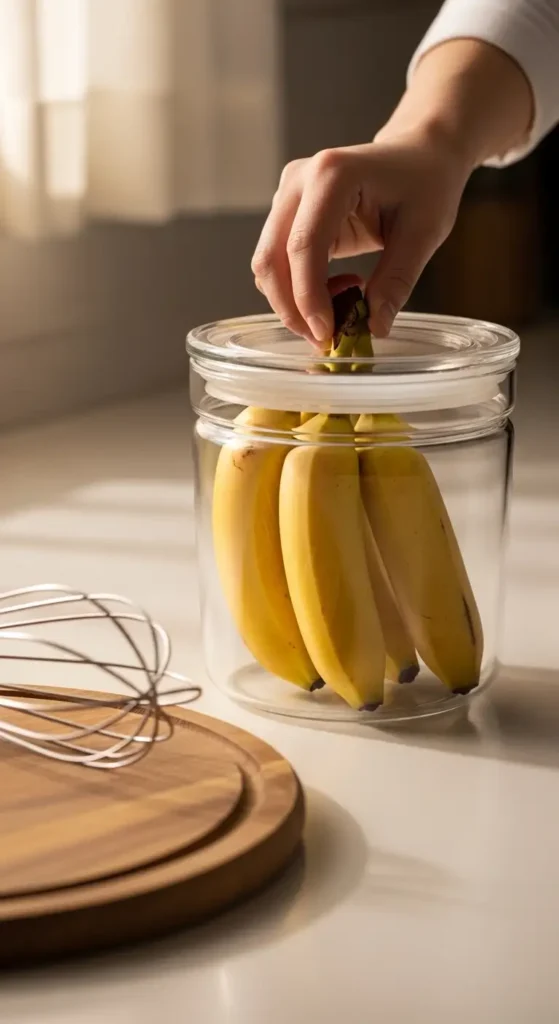
This classic works because fruit flies can’t resist the scent of fermented fruit. The dish soap lowers the surface tension so they sink instead of landing on top.
– Fill a small jar with apple cider vinegar about halfway.
– Add 2–3 drops of dish soap.
– Cover with a plastic wrap and poke a few small holes, or just leave it open.
– They’ll dive in and drown. Dramatic, but effective.
Sugar-yeast trap
Yeast is basically fly nectar, mixed with a little sugar to lure them in.
– Mix 1 cup warm water, 1/4 cup sugar, and a teaspoon of yeast.
– Pour into a bottle and poke a few tiny holes in the cap.
– The fermentation scent does the heavy lifting.
Overripe fruit trap (the eco-friendly version)
If you don’t want to mess with liquids, this is gentle on the conscience and the budget.
– Put a piece of overripe fruit in a jar.
– Loosely cover with plastic wrap and poke several small holes.
– Expect the flies to wander in and not be able to find their way out.
Compost and recycle properly (long-term prevention)
Flies love compost that’s not properly sealed.
– Keep compost bins tightly closed.
– If you have a compost pile or outdoor bin, add a thin layer of soil to dampen odors.
– Rinse out recycling to remove sugary residues before putting it out.
Trap maintenance and when to escalate
Traps buy you time, but they aren’t magic. You should review your kitchen hygiene regularly and escalate if needed.
– Check traps daily for a week to measure progress.
– Replace bait when it dries out or when the jar gets crowded.
– If you still see a lot of activity after a week, re-check the root causes: open fruit, dirty drains, or overflow from the sink.
Drain hygiene: the unseen culprit
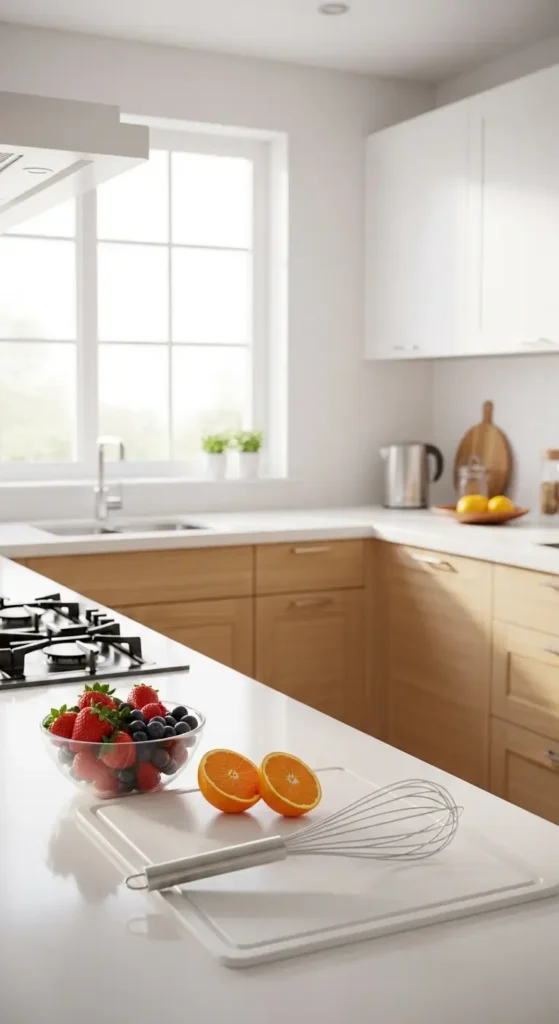
Fruit flies love the gunk in drains. A clean drain means fewer breeding grounds.
– Boil a kettle of water and pour it down the drain in the morning and evening.
– Scrub with a drain brush to remove slime.
– Flush with hot water to finish.
Moisture management in the kitchen
Damp corners aren’t cute decorations; they’re fly magnets.
– Wipe up spills immediately.
– Dry dish racks after use.
– Use a dehumidifier or fan to keep air moving on humid days.
Smart habits to keep flies away for good
Think of these as long-term guardrails rather than one-off hacks.
- Shop smarter: buy only what you’ll use in a few days. Avoid overripe fruit staying out too long.
- Seal what you can’t refrigerate: jars, bottles, and bags with zip ties or twist ties.
- Label and date leftovers: know when things go stale so they don’t sit there forgotten.
- Clean as you go: a quick wipe after cooking keeps the kitchen inhospitable to flies.
If you’re constantly bothered by fruit flies, you might be dealing with a small infestation. Don’t panic—consistent, reasonable steps win here. IMO, the combination of cleanliness and traps is unbeatable.
What to do if you still see them
Sometimes you win the battle but not the war. A few persistent fruit flies can take longer to disappear, especially in warm weather.
– Revisit your traps and refresh bait every 3–4 days.
– Double-check fruit storage, trash, and compost for leftovers.
– Consider a better screen on windows and doors to stop them from entering in the first place.
If you want a quick morale boost, tell yourself: you’re outsmarting tiny, buzzing opportunists with your superior organization.
Conclusion
Fruit flies aren’t villains, just tiny opportunists with a great sense of timing. Clean up aggressively, deploy a couple of traps, and keep the kitchen dry and clear.
With a little patience and consistent effort, you’ll reclaim your counter space and your sanity.
FAQ
Do fruit flies only appear near fruit?
Not at all. They’re attracted to any fermenting sugar sources—soda, wine, beer, and even sugary residues in sinks and drains. They’re drawn to moisture and warmth just as much as fruit.
How quickly should I expect results after setting traps?
You’ll typically see a drop in activity within 24 hours, with more noticeable improvement over 3–7 days. If nothing changes after a week, you likely have a larger underlying issue to address, like a drain or trash source.
Are store-bought traps better than DIY ones?
Store-bought traps can be effective, but DIY options are cheap and easy to customize. The key is a strong attractant and a way for the flies to get trapped and stay trapped.
Can fruit flies come back after I think I’ve fixed it?
Yes—if you let ripe fruit sit out, forget to take out the trash, or neglect drains, they’ll reappear. Maintain good habits and clean regularly to prevent a relapse.
Is it okay to use chemical sprays?
Sprays can help a quick fix, but they don’t solve the breeding problem. They’re most useful for temporary bursts while you address the root causes. Use them sparingly and keep them away from food prep areas.