How to Paint Kitchen Cabinets: Quick, Durable, Diy Win
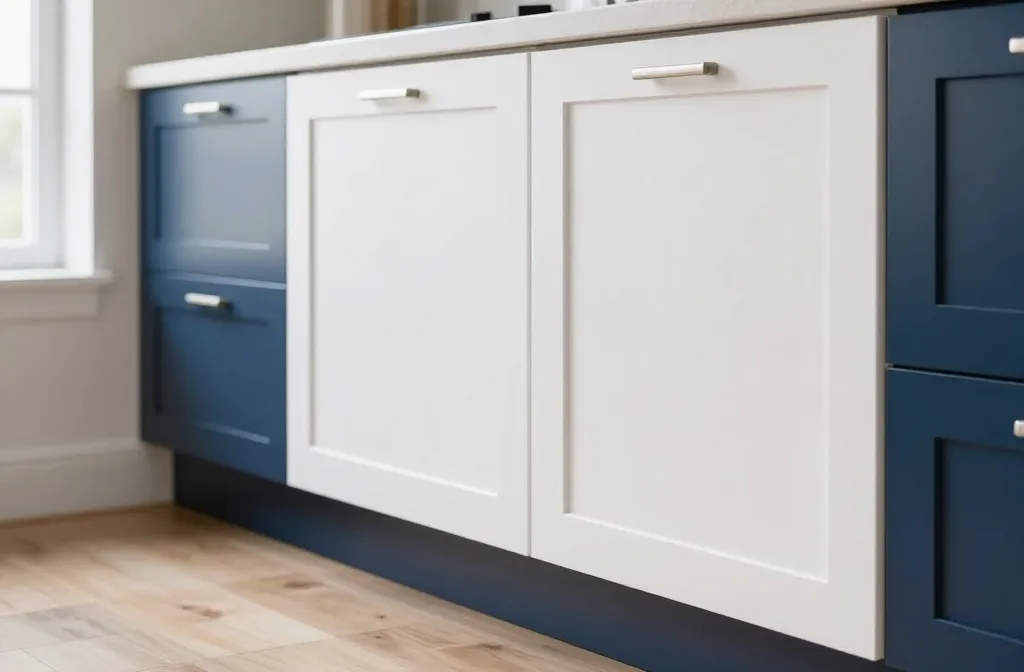
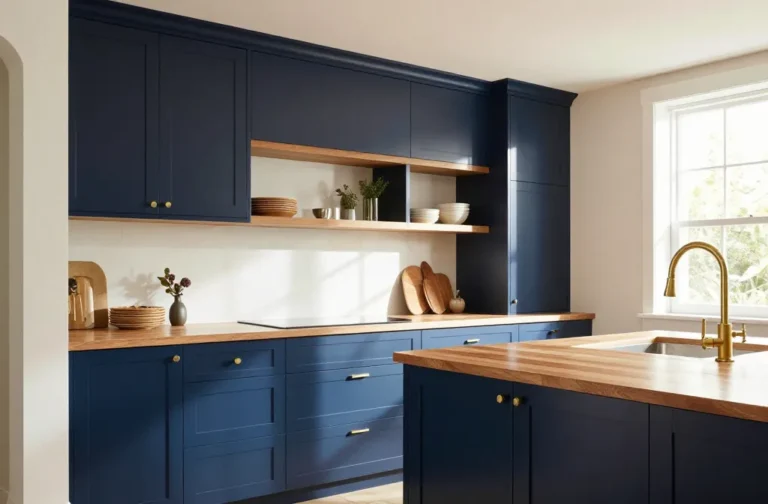
Tired of looking at dull or outdated cabinets every time you walk into your kitchen?Ltes find out, How to Paint Kitchen Cabinets, A fresh coat of paint can completely change the mood of your space, and these easy cabinet painting ideas will help you get started the right way.
A few years ago, my cousin called me frustrated after spending hours scrolling through expensive kitchen remodels she could never afford.
Her biggest concern was her dark, outdated cabinets that made her small kitchen feel even smaller. That’s when I told her something simple: you don’t need new cabinets, you just need to learn how to paint kitchen cabinets the right way.
She was skeptical at first. She had tried a quick paint job before, and within weeks it started peeling. I could tell she assumed all cabinet painting would end the same way. But the truth is, the prep work changes everything.
We started by removing the doors, labeling each piece, and cleaning away years of grease buildup. Then came sanding, priming, and choosing a durable paint that could handle daily use. It was slow at first, but each step made the finish smoother and more professional.
When she finally reinstalled everything, the transformation was unbelievable. Her kitchen felt brighter, cleaner, and completely new without changing a single cabinet box. Sometimes the best upgrades are not replacements—they are transformations done right.
Why repaint instead of replace? Quick gut-check
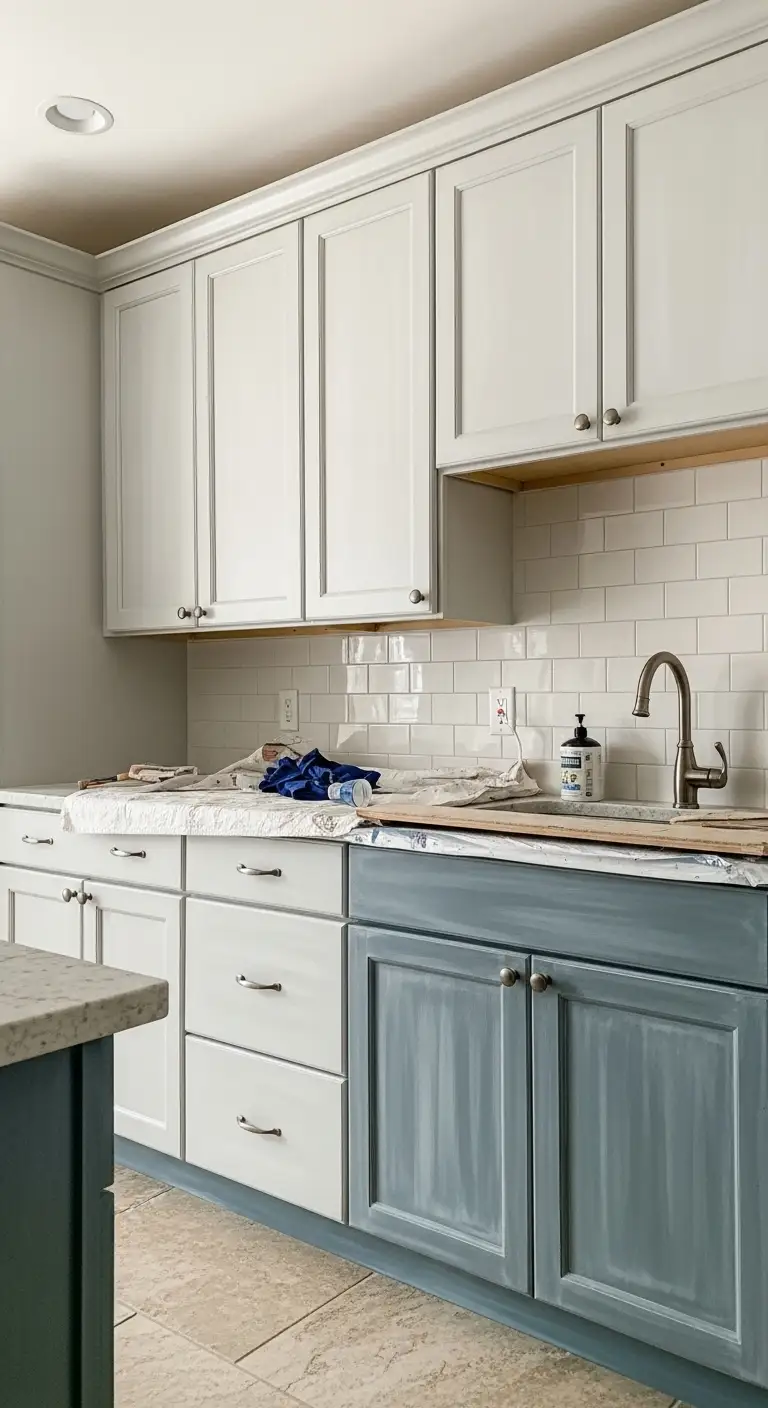
Painting cabinets is often cheaper, faster, and surprisingly transformative.
Do you really need to swap out every door and drawer when a fresh coat can mimic a high-end look? Probably not.
The key is choosing the right paint, proper prep, and patient execution. FYI, this is one of those projects where the “good enough” approach backfires later, so commit to the process.
Prep like a pro: grab the basics and clear the chaos
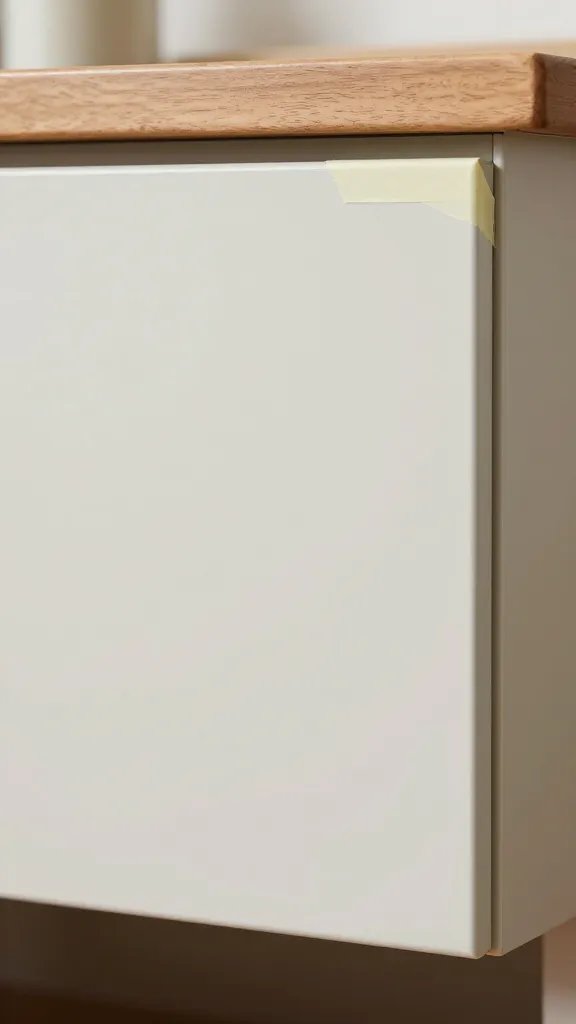
Everything hinges on prep. If you skip this, you’ll repaint forever and still see brush marks. Here’s a sane plan:
- Remove doors, drawers, and hardware. Label what belongs where so reassembly is painless.
- Clean surfaces thoroughly. Degrease with a mild detergent solution; rinse and dry.
- Lightly sand between coats. A 120–150 grit works well to scuff glossy fronts without taking off the undercoat.
- Fill dents or scratches with a lightweight filler, then sand smooth. No one wants a pockmarked finish.
- Protect surrounding areas with painter’s tape and drop cloths. You’ll thank yourself later.
Paint choices: what sticks to cabinets and lasts
Choosing the right product is a big deal. Cabinets take daily abuse, so you want durable, hardwearing options.
Best overall finishes
- Oil-based enamel gives a hard, durable surface and smooth flow, but it requires ventilation and longer drying times.
- Acrylic or waterborne enamel offers similar durability with easier cleanup and lower odor. Great for homes with kids or sensitive noses.
- Latex-based cabinet kit provides decent durability, good coverage, and simple cleanup. Look for products labeled for cabinets or trim.
Colors and sheen
- Matte or satin finishes hide fingerprints best; semi-gloss is easiest to wipe clean.
- Light colors can reveal imperfections more than dark hues, so prep and sanding quality matter more with pale shades.
Technique matters: brush, roller, or sprayer?
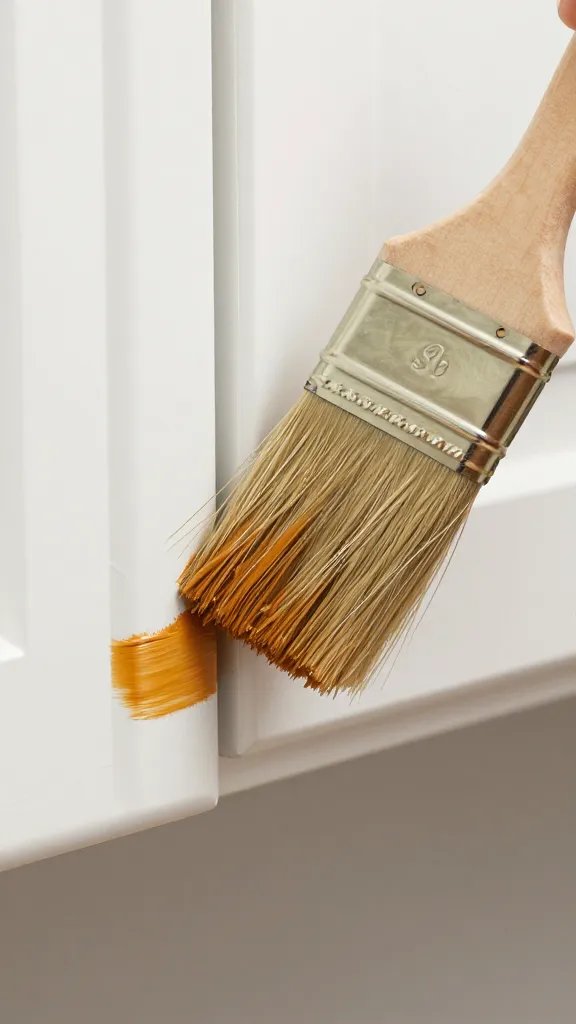
Here’s the practical way to pick a method without overthinking.
- Brush and roller combo for DIY-friendly results. Use a high-density foam roller for flat panels and a brush for details and edges. Keep strokes consistent and don’t overwork the paint.
- Spray for ultra-smooth cabinets. If you have access to a spray setup (HVLP is common), you’ll get a factory-finish look. Mask everything you aren’t painting and test spray on a scrap piece first.
- Whichever method you choose, apply thin coats. Thick coats cause drips, runs, and longer curing times. Patience pays off.
Step-by-step plan: from bare to beautiful
A simple, repeatable sequence helps you avoid chaos.
- Sand lightly to create a tooth, then wipe clean.
- Prime if you’re painting bare wood or changing drastically from stained surfaces.
- Apply the first coat. Don’t worry about perfection—this is a foundation coat.
- Lightly sand after drying to remove nibs and brush marks.
- Apply a second coat for full coverage. Add a third if needed for a flawless look.
- Reattach doors and hardware once everything is fully cured.
Hardware and finish: shine it up without breaking the bank
Hardware sets the vibe. If your hinges, handles, or pulls are dated, you have two good options: refresh or replace.
Refresh ideas
- Spray-paint existing hardware with a metallic finish (bronze, nickel, or matte black) for a quick update.
- Mask and repaint hinges to blend with the cabinet color. Simple, but effective.
- Replace pulls with universal styles to upgrade the look without a full hardware overhaul.
When to replace
- Wobbly doors or damaged frames warrant new hinges or replacement doors.
- Hardware that doesn’t align with the new color can look odd—consider swapping for cohesion.
<h2 Troubleshooting common cabinet-paint issues
No project goes perfectly. Here are quick fixes for the usual suspects.
- Drips and runs: don’t panic. Lightly sand the affected area with 320–400 grit, wipe clean, and apply a thin touch-up coat.
- Sticky doors: humidity or overly thick coats can cause tackiness. Give extra drying time and ensure good ventilation. FYI, a dehumidifier helps in damp rooms.
- Chalky or poor adhesion: this means inadequate sanding or cleaning. Go back, scuff, clean, and recoat with a compatible primer if needed.
Finishing touches: curing, care, and longevity
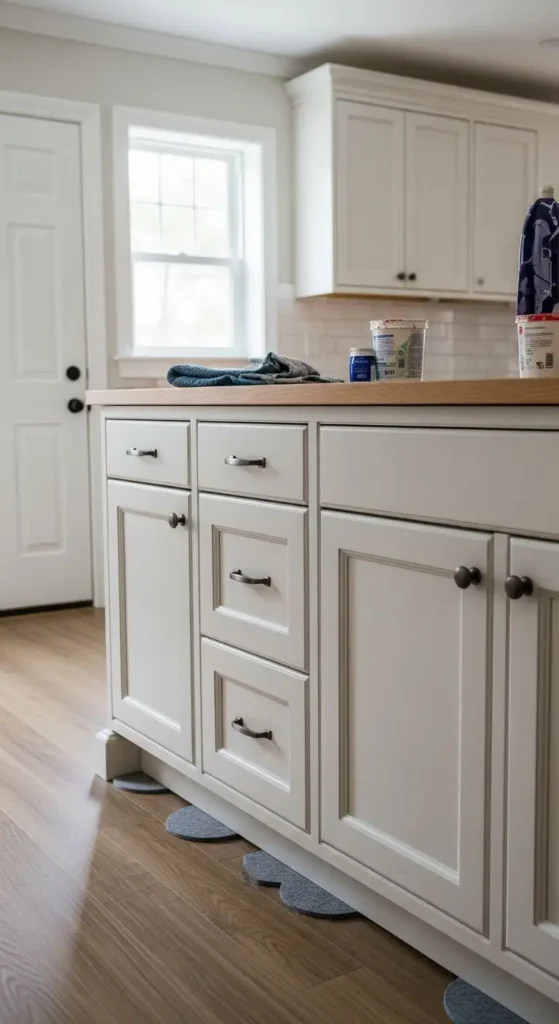
Finish longevity depends on curing and maintenance. Cabinets take daily abuse, so a few habits go a long way.
- Let paint cure fully before re-hanging doors. This can take several days—plan accordingly.
- Clean with a mild, non-abrasive cleaner. Avoid harsh chemicals that strip the finish.
- Use felt pads under kicked stools and avoid heavy scraping to keep the surface pristine.
Common mistakes to dodge (and how to avoid them)
A quick reality check to save you time and money.
- Underestimating prep time. The finish will show it. Allocate space, time, and a little patience.
- Skipping primer when it’s actually needed. Stains, wood knots, and dramatic color changes demand primer for even coverage.
- Piling on thick coats. Thin coats beat heavy ones; they dry faster and look better.
- Rushing to reassemble too soon. Give it a true cure window; you don’t want fingerprints or smudge marks ruining your work.
Conclusion
Painting kitchen cabinets is a rewarding DIY sprint, not a marathon.
With decent prep, the right finish, and a patient approach, you’ll end up with cabinets that feel new without the dump-tons-of-cash vibe.
So grab your brushes, pick a color that makes you smile, and enjoy the transformation. You’ve got this.
FAQ
Do I need to sand the cabinets between coats?
Yes. Light sanding between coats helps the next layer adhere and smooths out brush marks. Use 320–400 grit, wipe clean, and you’ll thank yourself later.
Can I paint with just a single color, or should I add a glaze?
Single colors work great for a clean, modern look. A glaze can add depth and aging if you’re after a more traditional vibe, but it’s optional. FYI, glaze requires more patience and testing on scrap pieces first.
How long does the whole process take from start to finish?
Depends on scope and drying conditions, but plan for a weekend or two if you’re doing it piecemeal. Give extra time for curing between coats and a final cure after reassembly.
Is spray painting cabinet doors worth it for a DIYer?
Spray painting can yield a flawless finish, but it requires space, ventilation, and masking discipline. If you have the setup and a steady hand, go for it. Otherwise, brush-and-roll still delivers solid results.
What’s the best primer for cabinets?
A water-based primer designed for cabinets or a universal bonding primer works well on glossy surfaces. If you’re painting over bare wood or stains, a stain-blocking primer helps prevent bleed-through.
How do I prevent paint chipping on cabinet doors?
Adhere to proper prep, apply thin coats, and allow full curing time. Use a semi-gloss or satin finish for better durability, and avoid slamming doors or drawers to reduce wear.