How to Get Rid of Ants in Kitchen Fast
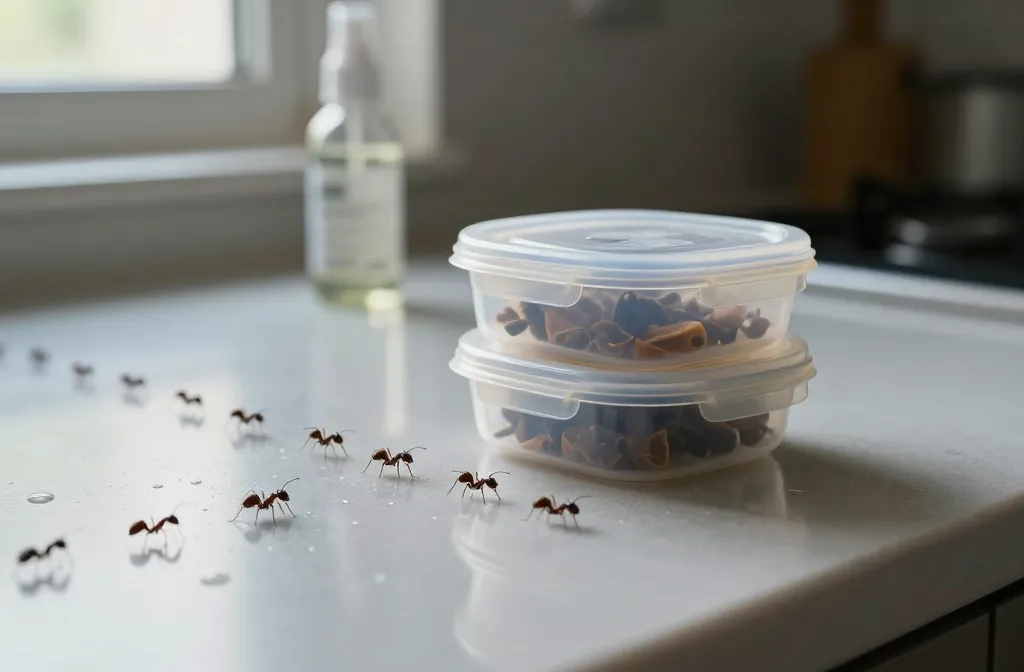
Nothing is more frustrating than opening your kitchen and seeing ants everywhere. If you’re searching for How to Get Rid of Ants in Kitchen Fast, these easy tips will show you how to get rid of ants in the kitchen fast and prevent them from coming back.
I still remember standing in my kitchen one evening, trying to make dinner, when I noticed ants crawling right across the cutting board.
It was one of those moments that instantly makes you lose your appetite. No matter how clean you think your kitchen is, ants have a way of showing up when you least expect it.
At first, I thought it was just a seasonal thing. I wiped the counter, sprayed a little cleaner, and moved on.
But the next day, they were back again, even stronger than before. That’s when I realized I wasn’t dealing with a one-time problem, but a pattern.
Ants are persistent. Once they find even the smallest food source, they keep returning and bring more of their colony with them.
The more I ignored the root cause, the worse it became. Crumbs, sugar spills, and even damp areas near the sink were enough to keep them coming back.
Fixing it meant changing small daily habits and learning how to break their trail completely. Once I started doing that, the difference was immediate, and the kitchen finally felt mine again.
Understand the Scout: Why Ants Pick Your Kitchen
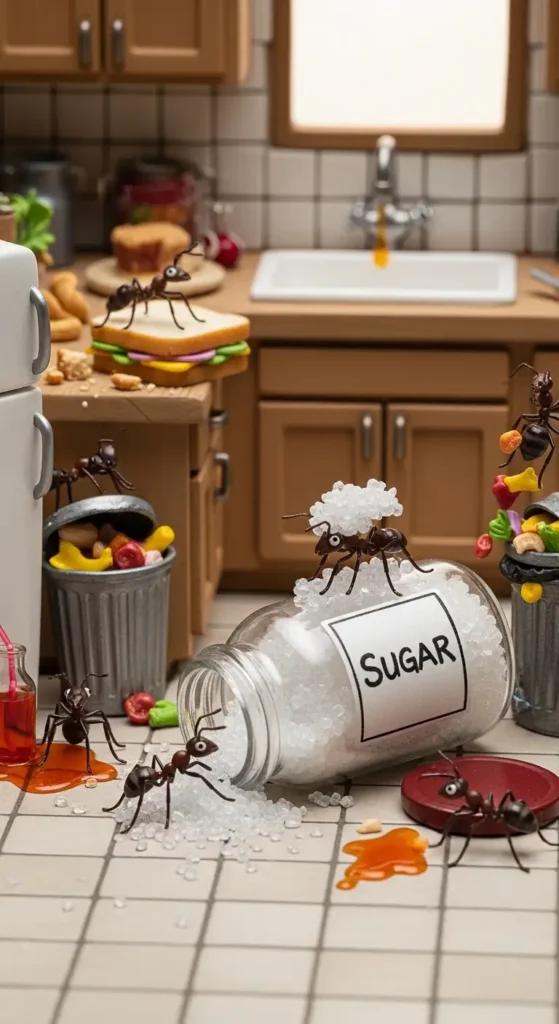
Ants aren’t random pests; they’re determined little travelers following trails from food sources.
They map out your home like a tiny urban planner, and your kitchen happens to be a tempting pit stop.
Do they want sugar? Protein? Moisture? They’ll sniff it out and recruit others with impressive efficiency.
FYI: sealing entry points and removing attractants often does more than gnawing at the problem—it disrupts the entire system.
First Line of Defense: Clean Like a Pro
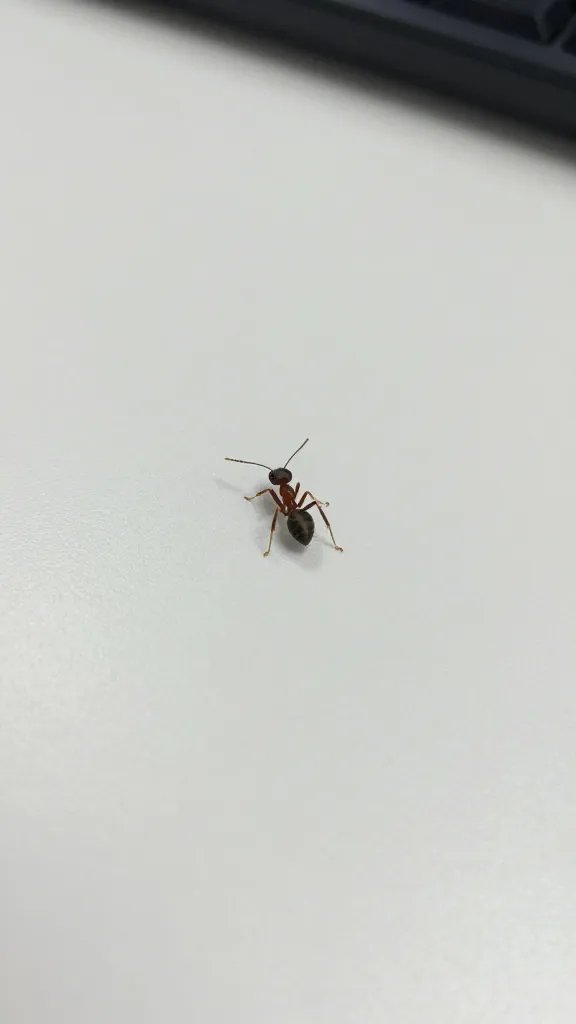
A clean kitchen is an honest kitchen. Here’s the play-by-play.
- Wipe down surfaces daily with a vinegar-water solution or your favorite non-toxic cleaner. Don’t leave sticky residues behind; they’re ant magnets.
- Load up the trash and recycling regularly. Don’t let bins become ant buffets.
- Seal food in airtight containers. Ants love a good pantry raid, and they’ll exploit even tiny gaps.
- Address spills immediately. Don’t let a rogue sugar trail become a boulevard.
Why this matters
These steps remove the obvious attractants and break the scent trails ants follow. Without a path, they either give up or move on to easier hunting grounds. IMO, this is the fastest, most reliable way to curb a minor infestation without chemicals.
Block the Trails: Entry Points and Barriers
Patrolling ants don’t just appear out of nowhere; they come through cracks, gaps, and tiny crevices. Time to play detective.
- Inspect windows, doors, and any gaps around pipes or wiring. Use caulk or weather-stripping to seal openings.
- Repair damaged screens and seal gaps in cabinets and baseboards. No more “almost there” entrances.
- Replace or repair door sweeps on exterior doors to stop marching bands from joining the kitchen parade.
DIY barrier tactics
– Use a physical barrier: copper mesh, silicone sealant, or even a line of chalk dust around entry points can deter some species. It’s not foolproof, but it buys time.
– Consider natural repellents like peppermint or tea tree oil in small, safe-dilution applications.
They don’t kill the colony, but they make your area less inviting. FYI, test on a small surface first to avoid smells you’ll regret.
Targeted Treatments: When Subtle Beats Sneaky
If cleanups and barriers aren’t enough, it’s time to think seriously about treatments. Keep it simple and safe.
- Use bait stations designed for indoor use. Place them along trails where you’ve seen ants, away from kids and pets. The idea: ants carry the bait back to the nest and sabotage the source.
- Identify the suspect species if you can. Different ants respond to different strategies. If you’re unsure, start with a universal bait and observe.
- Resist the urge to spray wildly. In most cases, spraying only kills what you see and can drive a nest deeper underground or cause them to reroute trails, making the problem worse in the long run.
When to escalate
If you see multiple nests, or if the problem keeps returning after a few weeks, it’s time to call in a pro or switch to a more robust approach.
Quick tip: keep track of where you see activity to help professionals pinpoint hotspots.
Natural and Household Remedies: Gentle Yet Effective
You don’t always need harsh chemicals to win a kitchen war. Some folks swear by natural methods that give ants a polite shove.
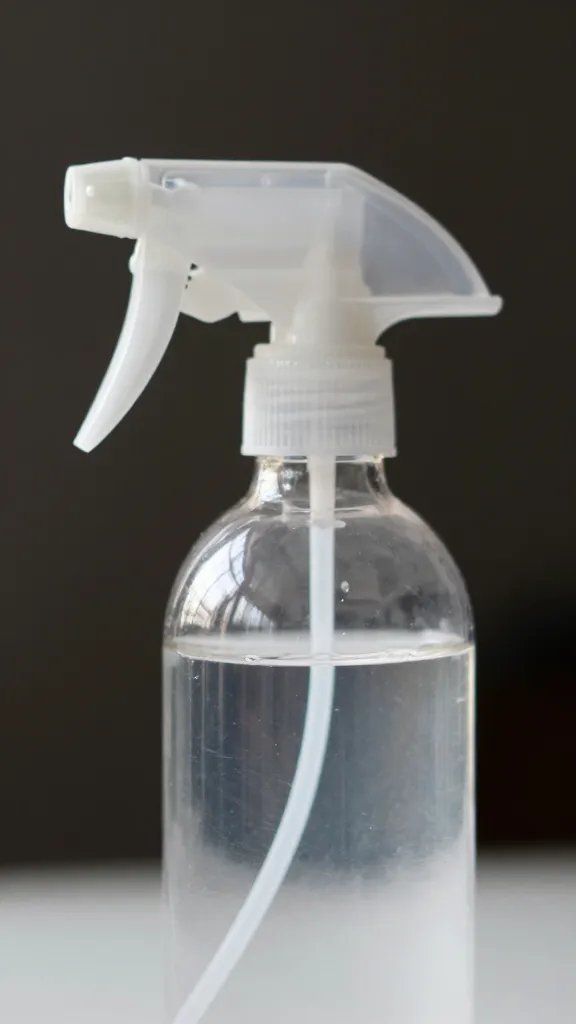
- Vinegar spray: Equal parts water and white vinegar sprayed along trails and entry points. It disrupts scent trails and can deter new ants from following old paths.
- Lemon juice: A squeeze around entry points creates a sour barrier that many ants avoid. It’s not a killer, but it helps.
- Chalk or talcum powder: A light line can deter ants from crossing. It’s more of a temporary barrier than a cure.
- Essential oils: Peppermint, citrus, or tea tree oils used sparingly can discourage ants. Don’t overdo it—strong smells can linger and irritate you too.
Pro tips for natural methods
– Always test on a small area to avoid damage to surfaces.
– Use these methods in conjunction with6 active cleaning and sealing tactics for best results.
– Remember: natural doesn’t always mean instant. Patience, grasshopper.
When It’s Not Enough: Calling in the Pros
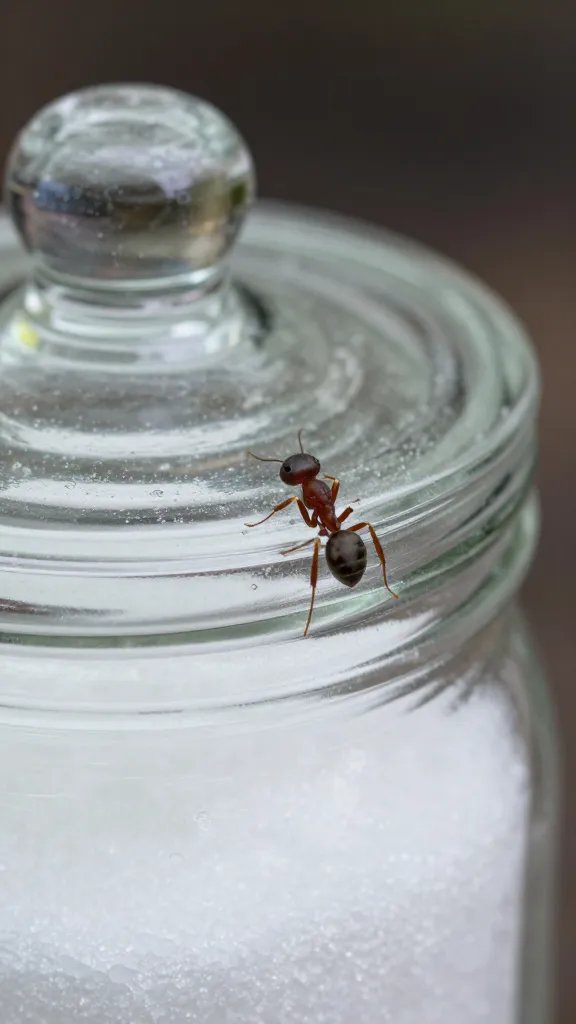
There comes a point where professional help makes sense.
- Persistent or widespread infestations: If you’re dealing with multiple nests or ants are invading daily, a licensed pest control operator can identify the species and tailor treatments.
- Safety first: If you have kids, pets, or a garden that you want to protect, discuss your options with a pro to choose kid- and climate-friendly products.
- Prevention plan: Ask for a plan that includes inspection, treatment, and a maintenance schedule to keep the ants from bouncing back.
Fix, Learn, Repeat: A Simple Maintenance Routine
Once you’ve got a handle on things, set up a routine so ants don’t come back to crash the party.
- Daily clean, weekly deep clean, monthly inspection of entry points. Consistency beats panic-shopping for sprays.
- Keep a labeled “ant activity log” for a month. Jot down where you see activity and what actions you took. This helps identify patterns and hotspots.
- Seasonal tweaks: after heavy rains, check structural seals and indoor moisture levels. Ants love damp corners as much as your sweating doubts in gym class.
Conclusion
Ants in the kitchen aren’t just a nuisance; they’re a reminder that small, persistent problems need a smart plan.
Clean like you mean it, block their sneaky entry points, and use targeted approaches that don’t turn your home into a chemical lab.
With a mix of steady routines and a dash of patience, you can coexist with your counter space—and keep the ant parade away from it.
FAQ
1. Do ants really disappear after I use bait stations?
Often yes, but it takes time. Ants recruit their nestmates with food signals, so the bait needs to be carried back to the colony. Don’t expect instant vanishing acts; give it a couple of weeks, and keep trails sealed and surfaces clean in the meantime.
2. Can I use cooking ingredients as deterrents?
Some folks swear by simple kitchen items like vinegar, lemon juice, or cinnamon to disrupt trails. They’re not a guaranteed solution, but they’re inexpensive and safe to try—FYI, don’t rely on them as the sole method if you have a serious infestation.
3. Is it safe to use pesticides in a kitchen with kids and pets?
Always read labels and choose products labeled for indoor use in kitchens. Consider non-toxic or integrated pest management options first. If you’re unsure, hire a pro who can tailor a plan that minimizes risk.
4. How can I tell which ants I’m dealing with?
Look at size, color, and behavior. Sugar ants are usually smaller and might leave sugary trails, while carpenter ants have larger bodies and can cause structural damage. If you’re unsure, take photos and ask a pro or local extension service for help identifying.
5. How long should I keep an eye on the kitchen after treatment?
Monitor for 2–4 weeks after treatment. If activity continues, revisit your cleaning routine, seal gaps more aggressively, or call in a professional for a closer look.
6. What’s the best long-term prevention strategy?
Consistency wins: keep surfaces clean, seal entry points, store food properly, and address moisture issues. A proactive approach beats reactive panic every time.