How to Unclog Bathroom Sink Quickly and Easy
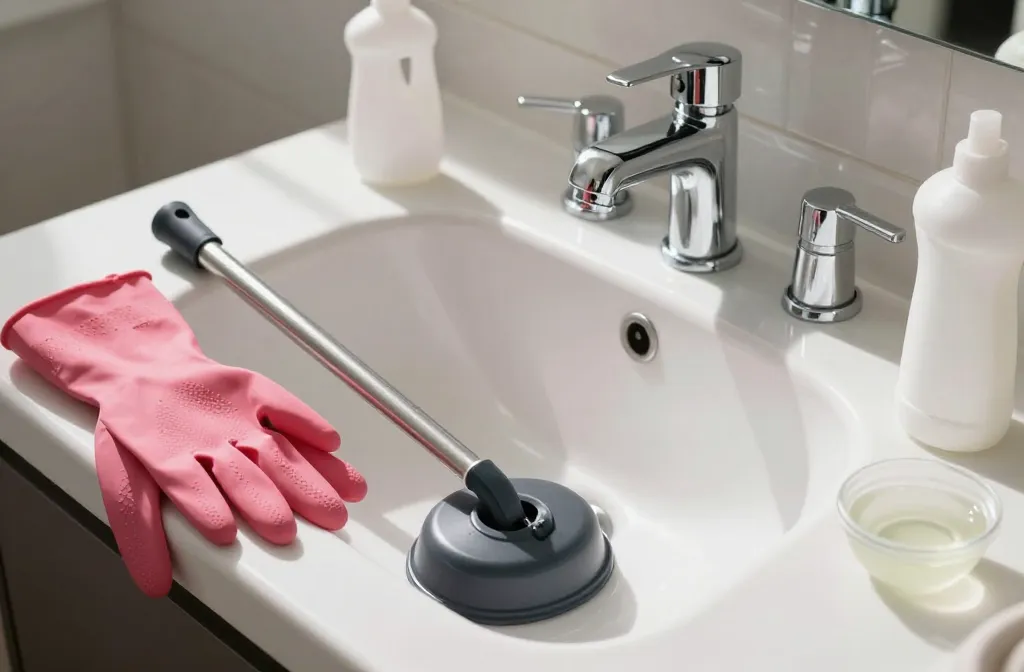
Dealing with a slow or completely blocked sink? In this post, we’ve shared simple and effective ways to unclog a bathroom sink quickly using easy at-home methods you can try right away.
When my friend called me late one evening, frustrated about her bathroom sink filling up with dirty water, I already knew what she was dealing with. She thought it was a serious plumbing issue, but I had seen this many times before in my own home.
Bathroom sinks often clog from hair, soap scum, and everyday buildup that slowly gets stuck inside the drain. It doesn’t happen overnight, but once it blocks, the water suddenly stops draining properly and creates a mess you can’t ignore.
I told her not to panic and start with simple steps first. Cleaning the drain stopper, using a plunger, and flushing with hot water can often clear the blockage quickly. In many cases, you don’t need expensive tools—just a little patience and the right method.
By the end of it, her sink was draining smoothly again, and she was surprised how easy the fix actually was.
First things first: diagnose the clog and the symptoms
Is the water draining slowly or not at all? Do you hear gurgling noises or see a puddle creeping toward the cabinet? These clues point to where the resistance is.
FYI, most bathroom sink clogs come from hair, soap scum, and toothpaste gunk that settles into the trap.
– Slow drain with a slight odor? It’s a classic hair-and-soap build-up.
– Sudden backup after running the sink? Might be a clog in the trap or a blockage in the drain line.
– Water pooling in the sink while the vent line is blocked? That’s a scope creep you don’t want.
Tools you’ll actually use (and why)
Let’s keep this simple and affordable. You don’t need a full-on plumber toolkit to win this battle.
- Plunger with a flange: the classic move for stubborn blockages
- Shoulder-length rubber gloves: hygiene first, because this is gross but necessary
- Bucket or bowl: catch the gunk and keep your countertop clean
- Adjustable wrench: to loosen the pop-up stopper if needed
- Lint-free cloth or paper towels: for quick cleanup
- Plumbing snake or drain auger (manual): for deeper blockages
- Natural cleaner options: baking soda and vinegar for a refreshing clearing effect
Step 1: try the simple, non-chemical fix
Before you dive into the deep end, give the easy stuff a shot. It’s quick, cheap, and often effective.
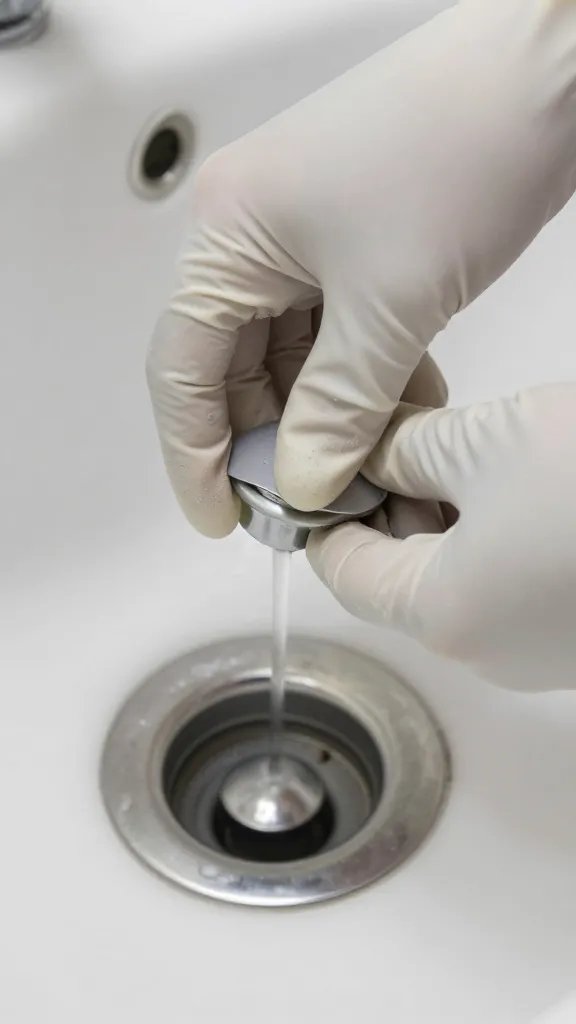
– Remove the stopper: most bathroom sinks have a simple pop-up stopper you can lift and twist to remove.
– Clean the stopper and overflow plate: wipe away hair and soap gunk that loves to hide here.
– Plunge with a twist: fill the sink halfway, seal the hole with a plunger, and push-and-pull with steady pressure. Do 15–20 good strokes.
– Run hot water: after unclogging, flush with hot water to wash away loosened grime.
If the water starts to drain, celebration is due. If not, it’s time for step two.
Step 2: chemical-free clearing with the trusty snake
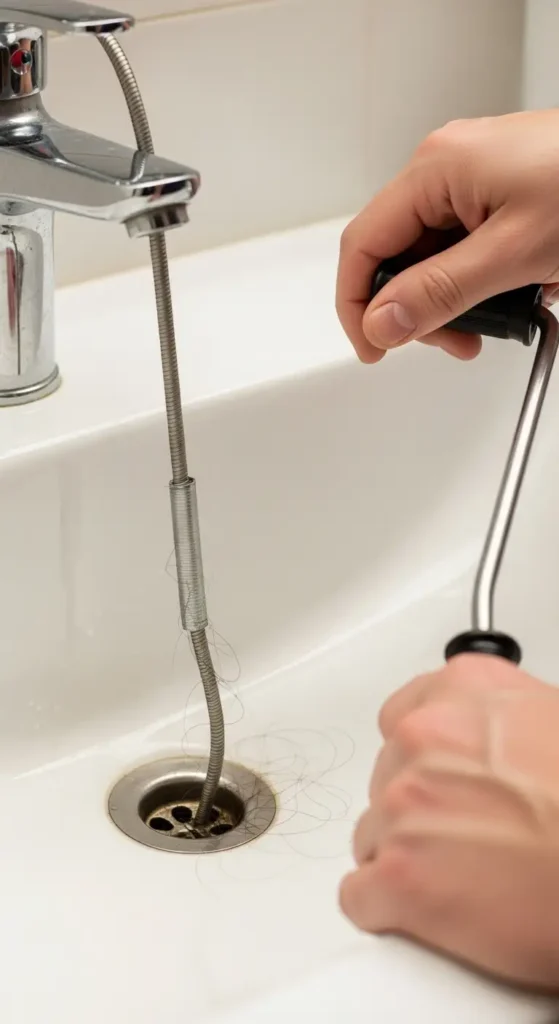
A drain snake is your best friend when hair and soap have formed a stubborn knot. No need to fear it—just use it right.
– Feed the snake slowly: push it into the drain until you feel resistance.
– Crank and rotate: the goal is to break up the clog and grab it with the coils.
– Retrieve and rinse: pull back gradually to avoid pushing the clog further down.
– Test the drain: run hot water and check for smooth flow.
When to use a snake (and when to stop)
If you can’t advance the snake or you hear the clog shifting but not clearing, stop and reassess. For serious blockages, it might be time to call a pro. FYI, forcing a snake can damage pipes.
Step 3: trap and wipe—the magic of the P-trap
If the clog sits in the trap, you’ll see the blockage clearly when you disassemble it.
– Place a bucket under the P-trap: that’s the curved pipe beneath the sink.
– Loosen the nuts: use the wrench to free the trap, careful not to twist too hard.
– Clean the trap: remove hair, soap scum, and gunk with a bottle brush or old sponge.
– Reassemble and test: snug the nuts, run water, and check for leaks.
Pro tip: a quick trap clean between big cleanups
Even if the sink drains, a quick trap clean every few months can prevent a bigger headache later. It’s like flossing, but for pipes.
Step 4: shrinking the drain gunk with baking soda and vinegar
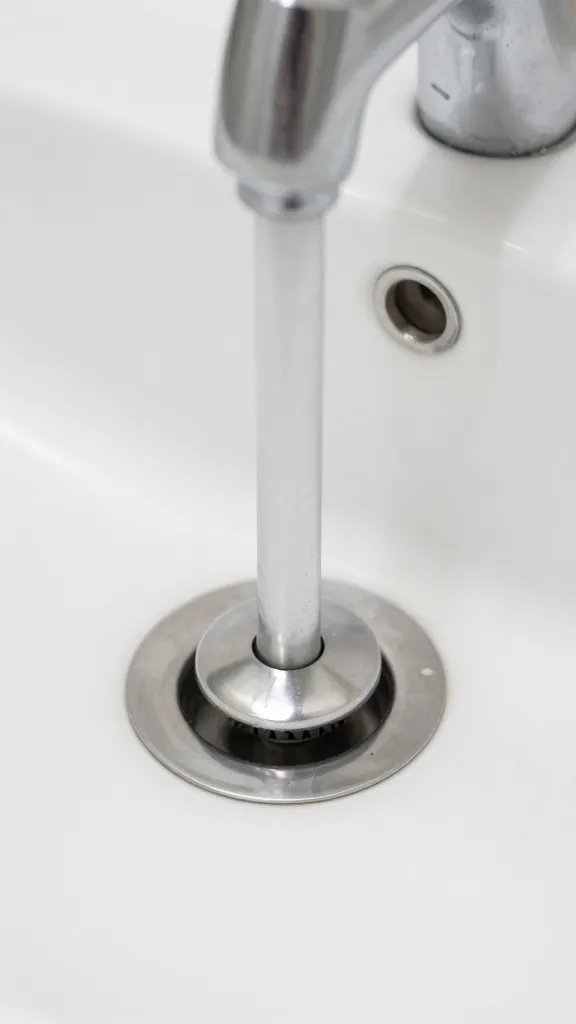
If you’re into chemical-free DIY, this is your zen moment. It fizzles, it cleans, and it smells oddly pleasant.
– Pour 1/2 cup baking soda down the drain.
– Add 1 cup white vinegar slowly (it will fizz—be prepared).
– Cover with a wet cloth and wait 15 minutes.
– Flush with hot water for a final rinse.
If you’re dealing with a more stubborn smell, a dash of lemon juice can help after the fizz party.
Step 5: when to call in backup (or a plumber)
Not every clogged sink responds to DIY magic. Here are red flags that mean you should pick up the phone.
– Water backs up into the sink from another fixture, like a shower or tub.
– The clog keeps returning after multiple attempts.
– You hear gurgling from the pipes or see sewage backup.
– You smell sewer gas—this is a loud “get a pro now.”
A quick professional assessment can save you time and a lot of frustration.
Maintenance tips to keep things flowing
– Use a hair catcher in the drain to stop the worst culprit from sneaking in.
– Run hot water for 15–30 seconds after brushing teeth or washing hair to push soap scum through.
– Periodically flush with baking soda and vinegar to keep minor buildup at bay.
– Don’t pour grease down the sink—no matter how cool it looks in a pan, it hardens in pipes.
Conclusion
Clogged bathroom sinks are annoyances, not nightmares. With the right tools, a methodical approach, and a bit of elbow grease, you can reclaim your bathroom in a couple of friendly sessions.
If you’ve tackled the trap, given the snake a go, and still hear a sigh of resistance, that’s your cue to call in the pros. You’ve earned a moment of smug satisfaction either way.
FAQ
What’s the fastest way to unclog a bathroom sink?
A quick plunge usually does the trick. If that fails, remove the P-trap, clean it, and run hot water to flush the line. If the clog persists, move to a drain snake.
Is it safe to use chemical drain cleaners on a bathroom sink?
Chemical cleaners can damage pipes and seals, especially in older homes. I’d avoid them as a first move. If you choose to use them, follow the label exactly and ventilate the area well.
How often should I clean the bathroom sink trap?
Every 3–6 months is a good baseline, especially if you notice slow drainage or frequent hair buildup. Quick trap cleanings are a lifesaver.
Can I use a DIY method if the sink is stainless steel?
Yes. Most methods are safe for stainless steel. Just avoid harsh scrubs and extreme heat that could damage seals. Always rinse well.
What if the clog is in the wall line?
That’s a different beast. If you suspect a wall-line clog, you’ll likely need a professional with a plumber’s snake or camera inspection to pinpoint and clear the blockage. Don’t power through—poke around only with approved tools.